Getting your charcoal packaging export strategy right protects the product, satisfies your customers and keeps your container moving through customs without delay. Packaging is not an afterthought bolted on at the end of production; it decides how much breakage arrives, how your brand looks on the shelf, how efficiently a 20ft container is filled and whether your documents line up at the port. This guide walks through the main charcoal packaging options for export, from 10 kg cartons and inner bags to custom printing, palletisation and container loading, and shows how VUTRUX tailors packing to each market.
Key takeaways
- Charcoal packaging for export has to protect the coal, present your brand and load efficiently, all at once.
- The standard binchotan format is the 10 kg carton, often with an inner bag to control fines and moisture.
- Custom printing and private label turn a commodity into your product, subject to a minimum print run.
- Floor-loading maximises volume, while pallets speed handling; the right choice depends on your warehouse and market.
- Packaging also carries compliance: MSDS, labels and moisture control all matter for safe, documented transit.
Charcoal packaging export basics every buyer should know
Good charcoal packaging export planning balances three jobs at once: protecting the coal in transit, presenting it to the end customer, and filling the container efficiently so freight cost per tonne stays low. Get one wrong and the others suffer, because flimsy packing means breakage and fines, over-packing wastes container space, and unbranded cartons leave money on the table at retail.
Before choosing a format, be clear on three things:
- Channel: bulk foodservice, branded retail, or distributor resale each need different packs.
- Product: dense binchotan, hexagon or square ogatan, and lump charcoal handle and break differently.
- Market rules: the language, labelling and safety information required at your destination.
With those settled, the specific packaging decisions of carton, bag, print and pallet fall into place.
Cartons, inner bags and retail packs
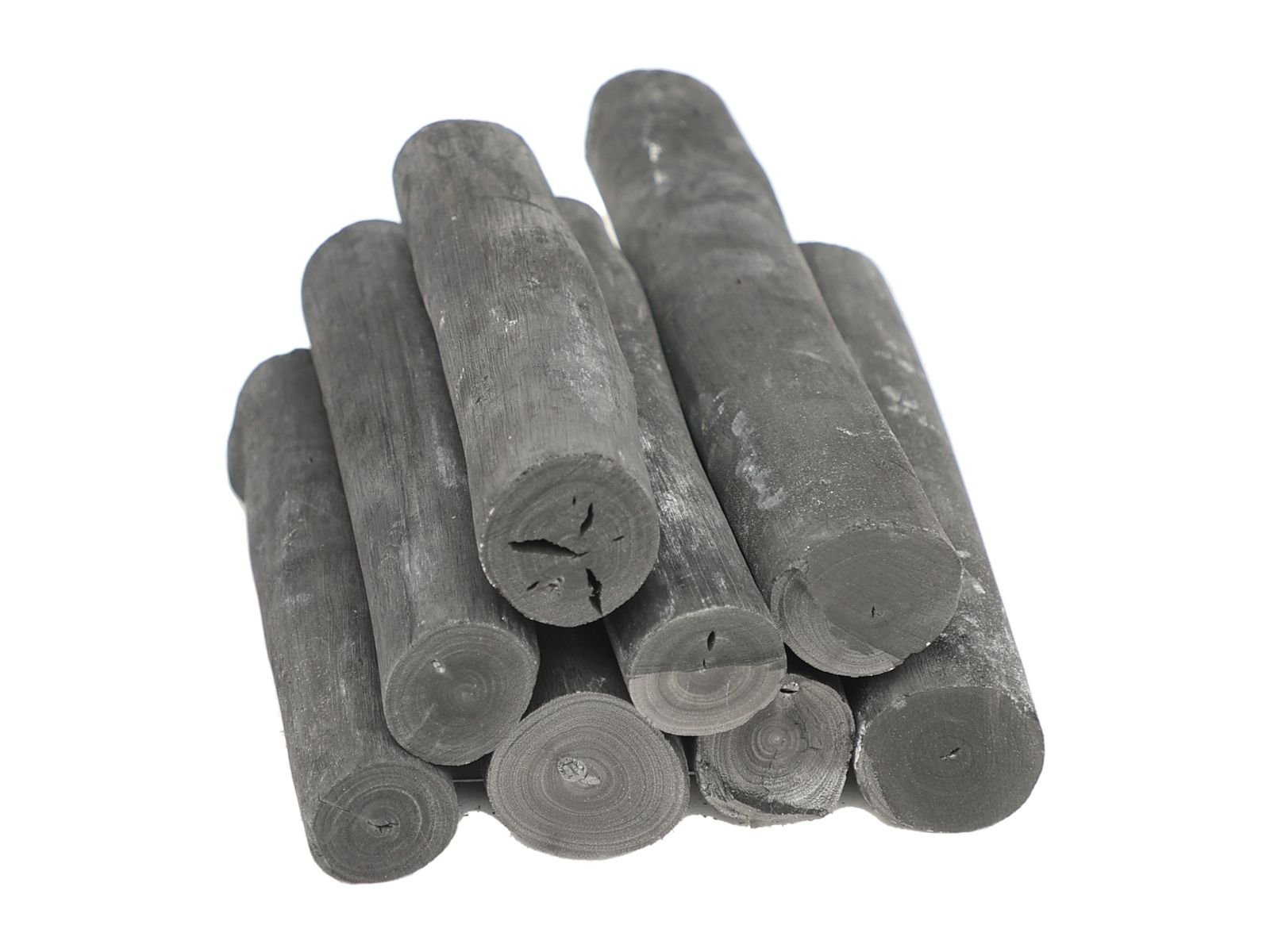
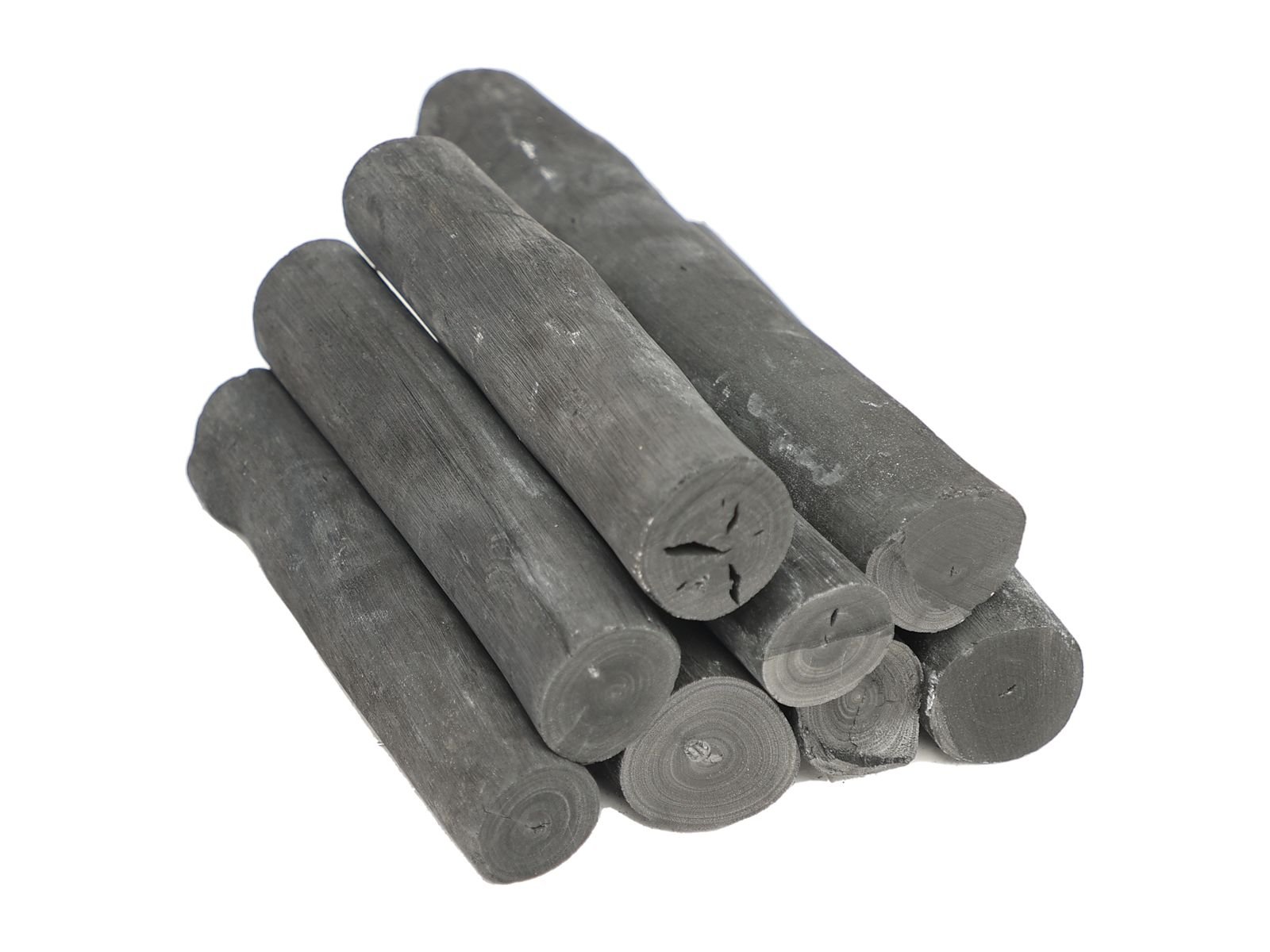
The workhorse of charcoal exporting is the corrugated carton. VUTRUX ships binchotan in 10 kg cartons, a size that balances handling, protection and stacking strength. Inside, an inner bag or liner is common: it keeps fines contained, adds a moisture barrier and lets you separate grades or sizes cleanly.
Typical formats include:
- 10 kg export cartons: the standard for binchotan, ideal for foodservice and distributors.
- Inner liners: polybag or paper liners that control dust and damp.
- Retail bags: smaller consumer packs, for example around 1.5 kg, 3 kg or 5 kg, for shelf sale.
- Bulk packs: larger sacks where a customer values volume over presentation.
Ogatan is packed to suit its use as well; because hexagon and square briquettes are uniform and dense, they pack tightly and travel well. Our ogatan briquettes wholesale guide covers formats and volumes for machine-made charcoal in more detail.
Need this grade by the container?
Tell us your market, volume and target spec — we reply within one business day with a quote and a sample offer.
Custom printing and private label
Packaging is also branding. Plain kraft cartons are efficient and low-cost, but printed cartons and retail bags turn a commodity coal into your product. For charcoal packaging export aimed at retail, print quality and correct information are what earn shelf space.
Common options include:
- Printed cartons: one-colour to full-colour printing with your logo, grade and origin.
- Private-label retail bags: your brand, artwork, barcodes and cooking guidance.
- Compliance text: destination-language labelling, safety notes and net weight.
- Barcodes and SKUs: retail-ready coding for distributors and stores.
Custom printing usually requires a minimum print run, so it fits buyers ordering full containers or committing to repeat volumes rather than one-off trial loads. If you are selling into demanding foodservice accounts, aligning packaging with the needs described in our guide to the best charcoal for restaurants helps your pack speak to the right buyer.
Palletisation, floor-loading and container fill
How cartons are loaded into the container is as important as the cartons themselves, because it drives both freight efficiency and the amount of handling damage. There are two broad approaches.
Floor-loading stacks cartons directly into the container by hand. It maximises the weight you can fit and lowers packaging cost, at the price of slower, more labour-intensive loading and unloading. Palletisation puts cartons on pallets, which speeds handling with forklifts and protects the lower cartons, but uses some container volume and adds pallet cost.
Indicative loads for a 20ft container give a sense of scale:
- Binchotan: around 9.6 MT net (about 960 cartons of 10 kg).
- Ogatan hexagon: around 15 MT per 20ft.
- Ogatan square: around 16 MT per 20ft.
The best choice depends on your warehouse: if you unload with forklifts and value speed, pallets pay off; if you handle cartons manually and want maximum volume, floor-loading often wins.
Packaging, safety and compliance in transit
Packaging carries your compliance story as well as your coal. Charcoal is stable when properly produced and dried, and independent self-heating tests on VUTRUX charcoal (by Vinacontrol) conclude it is not an IMDG Class 4.2 dangerous good, though some carriers still choose to book charcoal under UN 1361. Clear packaging, correct labelling and a proper MSDS keep that conversation simple.
Packaging supports compliance by:
- Controlling moisture: liners and dry cartons keep the coal in spec and reduce handling issues.
- Carrying documentation: accurate net weights, product identity and safety information.
- Protecting the load: sound cartons mean fewer fines and a cleaner container on arrival.
For buyers shipping into the EU, packaging also intersects with due-diligence rules; see our guide to EUDR compliance for charcoal imports for how documentation and traceability fit together.
Matching packaging to your market and channel
There is no single right pack, only the pack that fits your channel. Bring the earlier decisions together against how you sell.
| Channel | Suggested packaging | Priority |
|---|---|---|
| Restaurants and foodservice | 10 kg cartons, plain or lightly branded | Consistency and value |
| Retail and supermarkets | Printed retail bags with barcodes | Shelf appeal and compliance |
| Distributors and wholesalers | 10 kg cartons, optional pallets | Handling speed and flexibility |
When you are ready to specify cartons, printing and loading for your order, request a quote with your target market and channel, and we will propose a packaging plan to match.
Frequently asked questions
What is the standard export packaging for binchotan?
The standard format is the 10 kg corrugated carton, usually with an inner liner to control fines and moisture. It stacks well, protects the coal in transit and suits foodservice and distributor customers, while retail buyers often add smaller branded bags.
Can VUTRUX print my brand on the cartons or bags?
Yes. We offer custom-printed cartons and private-label retail bags with your logo, artwork, barcodes and destination-language labelling. Custom printing requires a minimum run, so it suits full-container or repeat orders rather than one-off trials.
How much charcoal fits in a 20ft container?
As a guide, a 20ft container holds around 9.6 MT of binchotan (about 960 cartons of 10 kg), roughly 15 MT of hexagon ogatan or about 16 MT of square ogatan. Exact figures depend on packaging and whether the load is palletised.
Does packaging affect charcoal shipping classification?
Packaging does not change what the charcoal is, but clear labelling, a proper MSDS and moisture control support a smooth booking. VUTRUX charcoal tests as not IMDG Class 4.2, though some carriers still book charcoal under UN 1361.
What retail bag sizes are available?
Common consumer sizes are in the region of 1.5 kg, 3 kg and 5 kg, chosen to suit shelf space and price points in your market. We can advise on the best mix of bag sizes and carton formats for your channel when you request a quote.