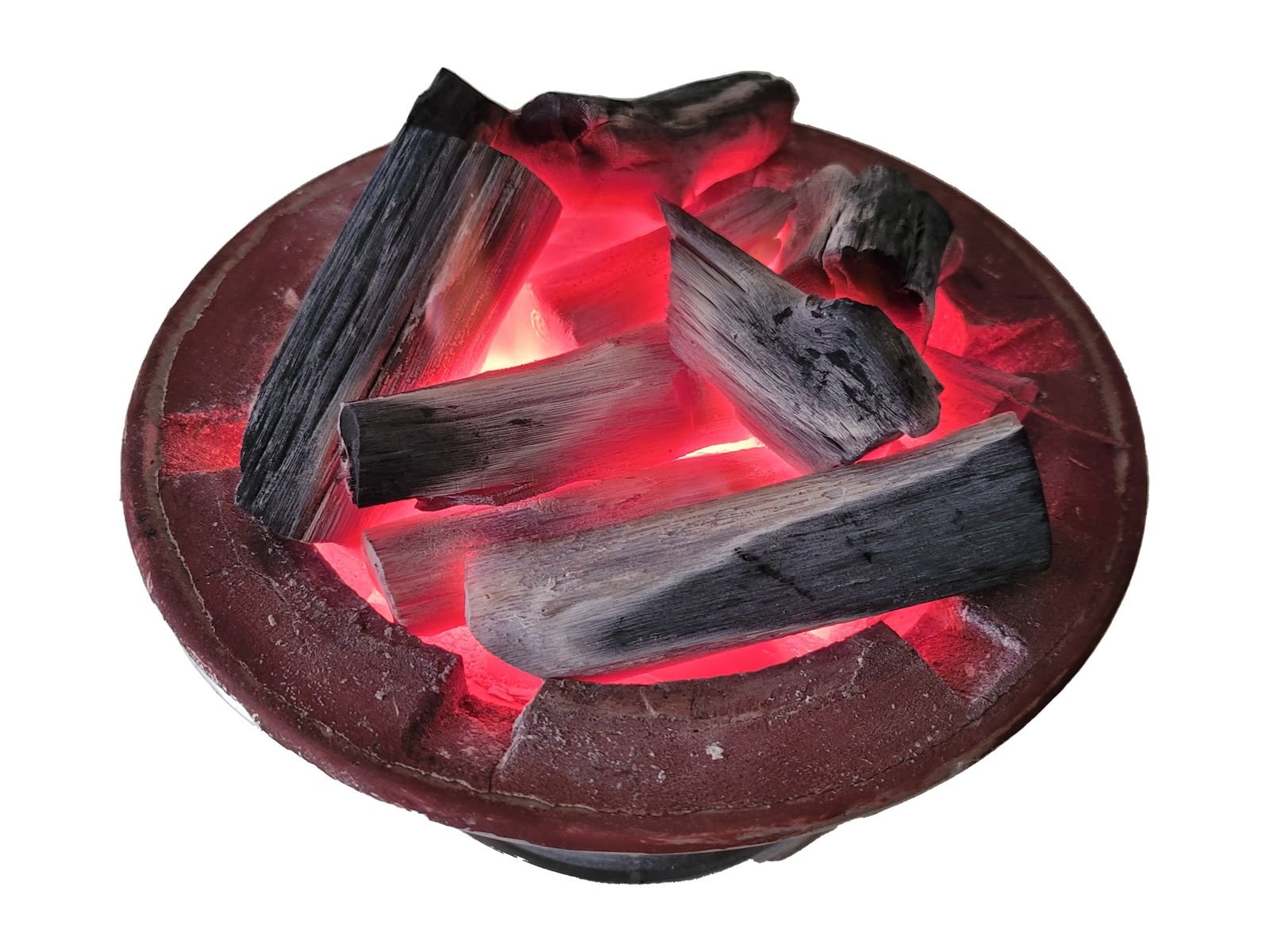
A phytosanitary certificate for charcoal is the plant-health passport that lets a wood product cross a border. Whether you need one depends on the destination, not the exporter, and confusing it with the ISPM 15 pallet stamp is a common way to hold up a container. This guide explains what the certificate proves, when it is required, how it is issued at origin, and how to keep it from delaying your shipment.
Key takeaways
- A phytosanitary certificate is issued by the exporting country's plant-protection authority and certifies the goods are free from quarantine pests.
- Whether a phytosanitary certificate for charcoal is mandatory depends entirely on the destination country's import rules.
- The certificate covers the charcoal itself; ISPM 15 is a separate rule that covers the wooden pallets under it.
- In Vietnam the certificate is issued by the Plant Protection Department after inspection of the actual consignment.
- VUTRUX is phytosanitary-ready and prepares the certificate at origin for every market that requires it.
What a Phytosanitary Certificate Is
A phytosanitary certificate is an official document issued by the plant-protection authority of the exporting country, certifying that the goods have been inspected and are considered free from regulated quarantine pests. It follows the framework of the International Plant Protection Convention (IPPC), so its format and legal weight are recognised by plant-health agencies worldwide.
Because charcoal is a wood-derived product, this certificate is the plant-health credential that travels alongside your commercial invoice, packing list and Bill of Lading. It names the product and its botanical origin, the quantity and marks, the consignor and consignee, and any treatment applied. In Vietnam it is issued by the Plant Protection Department under the Ministry of Agriculture and Rural Development, after inspection of the actual consignment rather than as a generic form.
Think of it as the answer to a single official question from the importing country: has a competent authority confirmed that this wood shipment will not import a pest? For the wider paperwork picture, our guide on how to import charcoal from Vietnam shows where the certificate fits in the full document set.
Do You Need a Phytosanitary Certificate for Charcoal?
Whether a phytosanitary certificate for charcoal is mandatory depends entirely on the destination country's import rules, not on the exporter's preference. Charcoal is wood that has been carbonised at high temperature, a process that destroys living pests, so many authorities treat it as a low phytosanitary risk. That biology, however, does not automatically waive the paperwork.
In practice, a large number of national plant-health agencies still require, or routinely request, a phytosanitary certificate for wood charcoal, and customs may hold a shipment that arrives without one. Rules also differ between wood charcoal and processed products, and they change over time. The safe approach is to assume you may need the certificate and confirm the current requirement with your national plant-health authority or customs broker before you book the vessel.
Requesting the certificate is inexpensive relative to the cost of a held container, so many buyers ask for it even where it is only recommended rather than strictly required. It is far cheaper to hold a document you did not strictly need than to explain to customs why one is missing.
VUTRUX is phytosanitary-ready and prepares the certificate at origin for every market that requires it, so the document is arranged as part of the shipment rather than chased after the container has sailed.
Need this grade by the container?
Tell us your market, volume and target spec — we reply within one business day with a quote and a sample offer.
How the Certificate Is Issued at Origin
The certificate is not bought off the shelf; it is earned through inspection. Understanding the sequence helps you plan timing so the document is ready when the vessel is.
- Application: the exporter applies to the national plant-protection organisation for the specific consignment.
- Inspection: an officer inspects or samples the actual lot, checking that it is clean and correctly described.
- Treatment, if required: where a destination specifies a treatment, it is carried out and recorded.
- Issuance: the certificate is issued naming the product, botanical origin, quantity, marks, consignee and any treatment, and is signed and stamped by the authority.
Two practical points matter. First, the certificate is normally issued close to the shipment date and covers a single consignment, so it cannot be reused across shipments. Second, the details on it must match your other documents exactly, because a mismatch in weight, description or consignee is a common reason for a hold on arrival. A good exporter builds this step into the production schedule, so inspection and issuance happen in the days before loading rather than in a scramble once the booking is already confirmed.
Phytosanitary Certificate vs ISPM 15 and Other Documents
One of the most expensive mix-ups in wood-product imports is confusing the phytosanitary certificate with the ISPM 15 pallet stamp. They solve different problems and neither replaces the other.
| Document | What it covers | Issued by |
|---|---|---|
| Phytosanitary certificate | The charcoal itself, as a plant product | Exporting country's plant-protection authority |
| ISPM 15 mark | Wooden pallets and dunnage, not the cargo | An accredited treatment provider (a stamp) |
| Fumigation certificate | Any required treatment, as a record | A licensed fumigation provider |
| Certificate of Origin | The country of origin of the goods | A chamber of commerce or authority |
| Certificate of Analysis | Quality and composition of the charcoal | An independent laboratory |
The wooden pallets beneath your cargo are regulated separately. Solid-wood packaging usually has to be heat-treated and stamped to the ISPM 15 standard, or many destinations will refuse or fumigate the shipment at your cost; plywood and presswood pallets are exempt. To QC the quality paperwork that travels alongside these plant-health documents, see how to read a charcoal COA.
Country Rules and Import Permits
Beyond the certificate itself, some destinations add their own conditions. A few require an import permit issued before the goods arrive; others set specific declarations or treatments for wood and wood-derived products; and a handful accept the phytosanitary certificate on arrival with minimal fuss.
Strict-biosecurity markets such as Australia and New Zealand, and agencies like USDA APHIS in the United States, publish detailed conditions for wood products, so buyers there should read the current rules early rather than assume charcoal is exempt. Where an import permit is needed, it usually has to be in place before the goods are shipped, not applied for on arrival, so this is a question to resolve at the quotation stage. The pattern is consistent: the exporter arranges the certificate at origin, but the importer is responsible for knowing and meeting the destination's requirements.
Selling into Europe adds a due-diligence layer on top of plant health. Pair this article with our EUDR compliance checklist, which explains the deforestation-free evidence the EU now expects for wood products, so your plant-health and legality documents are both in order before the container moves.
Avoiding Delays: Practical Tips
Most phytosanitary hold-ups are administrative, not biological. A short discipline at booking time keeps containers moving.
- Match the descriptions: product name, botanical origin, weights and consignee must agree across the certificate, invoice and packing list.
- Mind the timing: the certificate is issued close to sailing, and some countries expect it within a set window of inspection, so align it with your vessel.
- Sort the pallets: confirm ISPM 15-marked pallets, or specify exempt plywood or presswood packaging.
- Keep originals and copies: couriered originals plus scans avoid clearance stalls if paperwork lags the vessel.
- Confirm the destination rule early: check whether an import permit or specific treatment is needed before you fix the booking.
Rule of thumb: arrange the phytosanitary certificate as part of the shipment plan, not as an afterthought once the box is at sea.
When you are ready to ship, tell us your destination and volume and request a quote; we will confirm the exact plant-health document set for your market.
Frequently asked questions
Is a phytosanitary certificate required for charcoal?
It depends on the destination country's rules. Because charcoal is carbonised wood with living pests destroyed, some authorities treat it as low risk, but many still require or request a phytosanitary certificate for wood charcoal, and customs may hold a shipment without one. Confirm the current requirement with your authority or broker before booking.
Who issues the phytosanitary certificate for charcoal from Vietnam?
In Vietnam it is issued by the Plant Protection Department under the Ministry of Agriculture and Rural Development, following inspection of the actual consignment. The exporter applies for the specific lot, the goods are inspected, and the signed certificate is issued naming the product, quantity, marks and any treatment.
What is the difference between a phytosanitary certificate and ISPM 15?
The phytosanitary certificate covers the charcoal itself as a plant product, while ISPM 15 is a treatment standard for the wooden pallets and dunnage under the cargo. You typically need both: the certificate for the goods and ISPM 15-stamped pallets for the packaging. Plywood and presswood pallets are exempt from ISPM 15.
How long is a phytosanitary certificate valid?
There is no single global expiry, but the certificate covers one consignment and is issued close to the shipment date, so it cannot be reused. Some countries expect it to be issued within a set window before export or arrival, so align issuance with your sailing and confirm the destination's window in advance.
Does charcoal need to be fumigated before export?
Usually not, because carbonisation already destroys pests, but the destination country decides. Where a specific treatment is required, it is carried out and recorded, and the treatment is noted on the phytosanitary certificate or a separate fumigation certificate. Confirm your market's rule before booking.