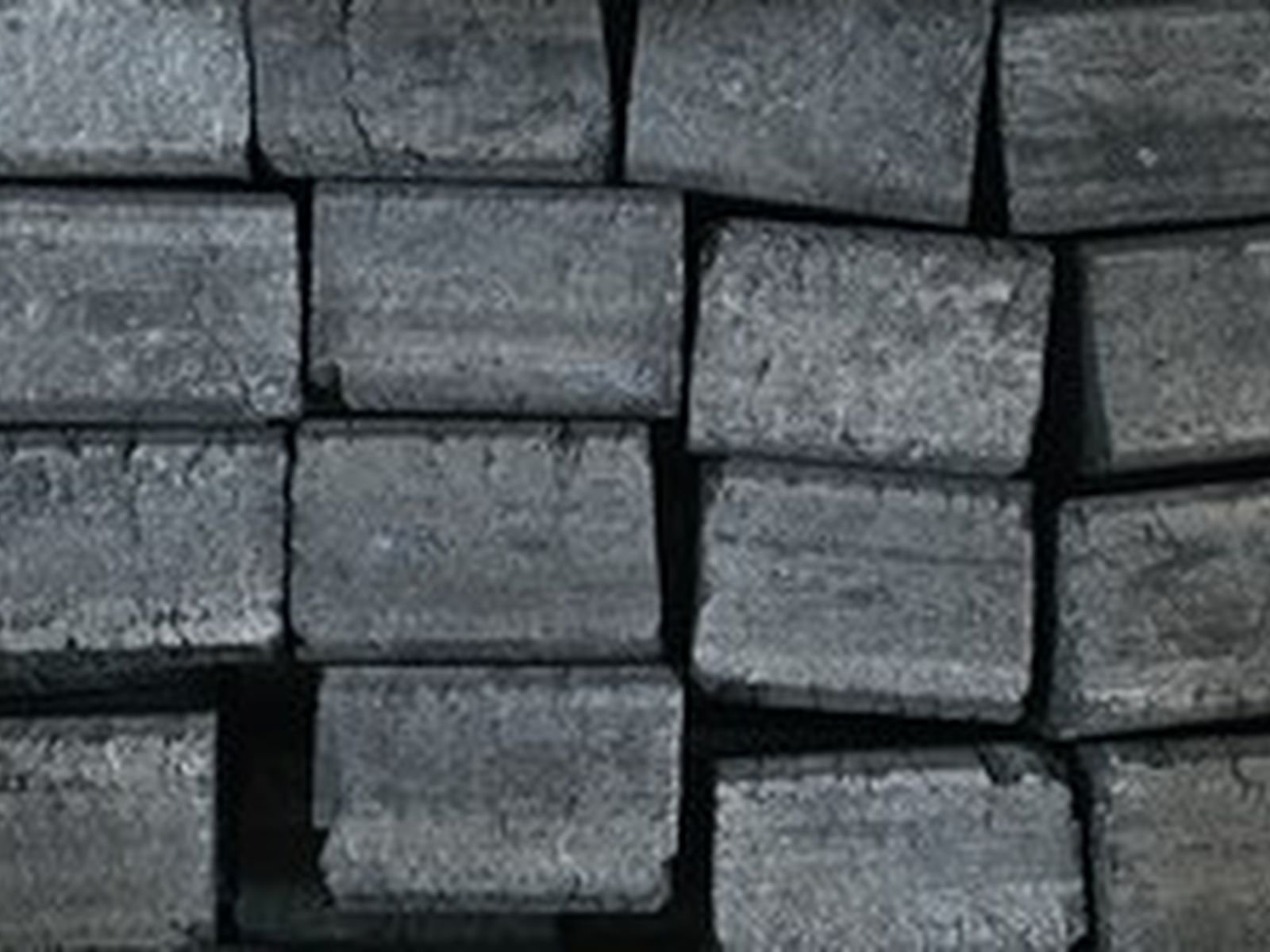
Requesting a charcoal sample before order confirmation is the cheapest insurance a serious buyer can buy. A container of charcoal is a five-figure commitment that will sit under your grills or on your shelves for months, and photographs alone cannot tell you how a coal lights, how long it holds heat, or how much ash it leaves behind. A physical sample turns a leap of faith into a measured decision. This guide explains exactly what a sample proves, how to test it, and how VUTRUX handles sampling so your first shipment behaves like the coal you approved.
Key takeaways
- A charcoal sample before order lets you verify burn time, heat, ash and sizing against your own conditions rather than a spec sheet.
- Test the sample the way your customers will use it: your grill, your kamado, your restaurant service, your climate.
- Approving a representative sample gives you a reference standard to hold every future container against.
- Sampling cost and lead time are small next to the cost of discounting or rejecting a full container.
- Pair the physical sample with a per-lot COA so you check both hands-on performance and lab-verified numbers.
What a charcoal sample before order actually proves
A specification sheet is a promise; a sample is proof. When you request a charcoal sample before order, you move the decision out of a PDF and onto your own workbench, where you can see and feel the product your customers will handle. Two lots can share the same headline fixed-carbon figure and still behave very differently on a grill, so the sample fills in everything the numbers leave out.
Handled properly, a sample answers the questions that decide reorders:
- Ignition and burn time: how long the coal takes to light, and how many hours it holds cooking heat.
- Heat output: whether it reaches and sustains the temperature your kitchen or customers expect.
- Ash and residue: how much ash is left, and whether it stays compact or drifts.
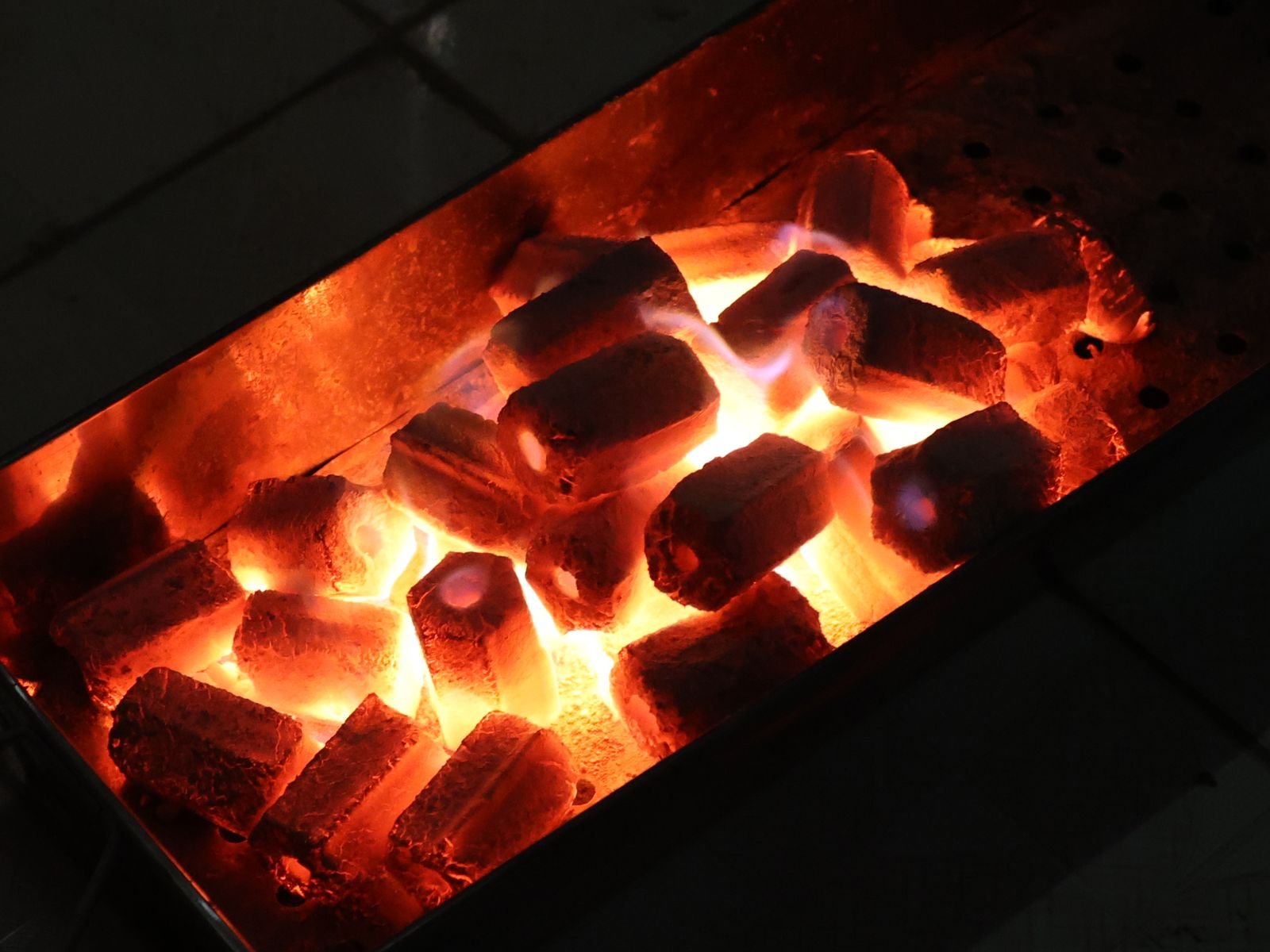
- Smoke, sparks and odour: critical for indoor grills, yakitori counters and premium retail.
- Size and consistency: whether pieces match the 80-200 mm range you ordered and how uniform they are.
- Breakage and fines: how much dust and how many broken pieces you can expect in a carton.
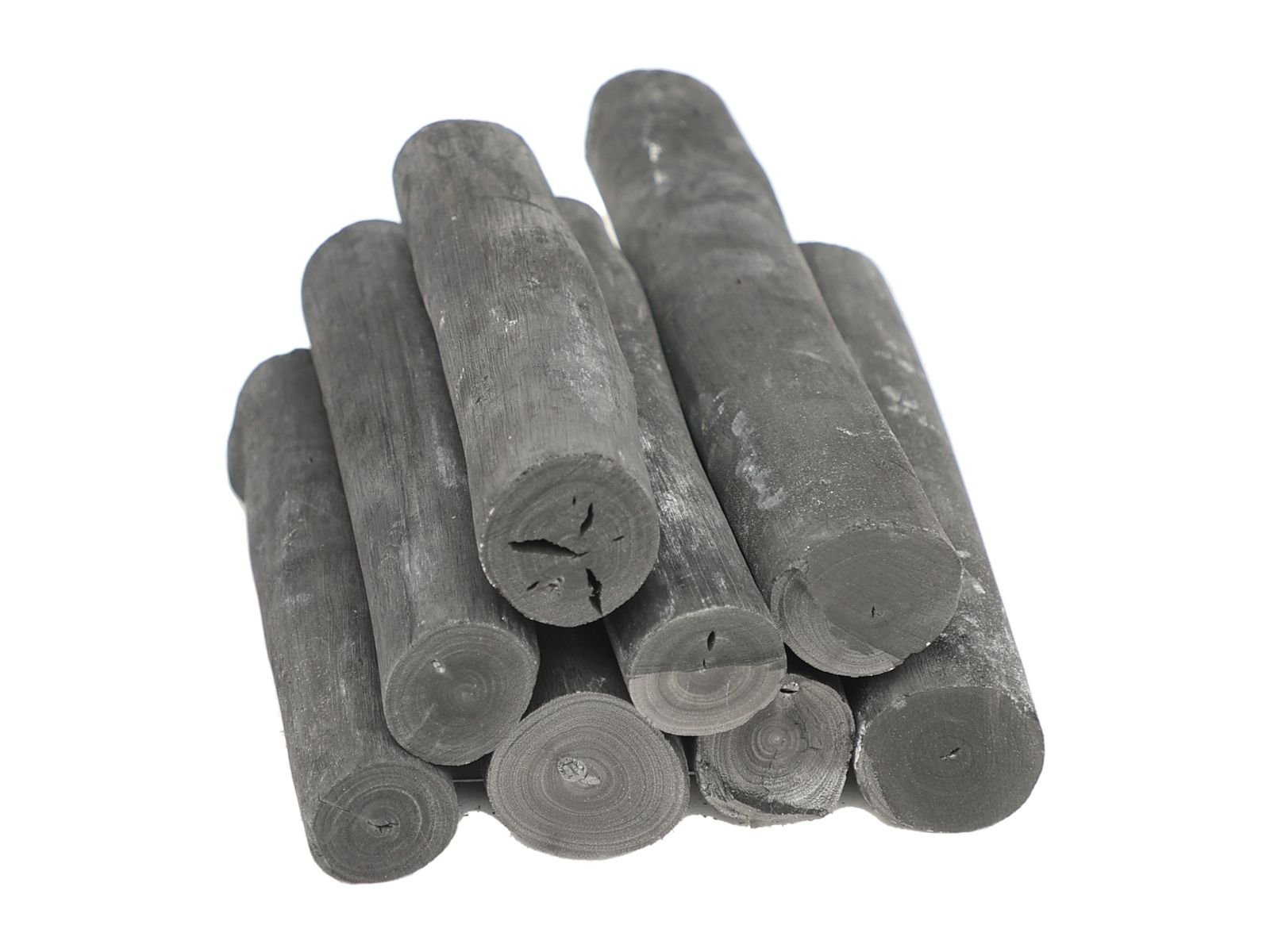
If you are still comparing product types, a sample is also the fastest way to feel the difference between dense white charcoal and machine-made briquettes. Our overview of what binchotan white charcoal is explains why these hardwood coals burn so cleanly, and a hands-on sample makes that description concrete.
How to test the sample the way your customers will
The value of a charcoal sample depends entirely on how you test it. Recreate real service conditions rather than a quick, ideal-case burn, because a coal that performs well in a controlled test can still disappoint in a busy kitchen or a humid warehouse.
- Light it your way. Use the same chimney, electric starter or burner your customers use, and time how long the coal takes to reach cooking heat.
- Measure working heat. Hold a thermometer at grill height and record the peak temperature and how steadily it is maintained.
- Time the burn. Note total usable hours from a fixed weight of coal so you can compare grades and woods on equal terms.
- Assess ash and smoke. Weigh or eyeball the ash left behind and watch for smoke or sparking, especially for indoor use.
- Check sizing and fines. Measure a handful of pieces and weigh the dust at the bottom of the pack.
Match the test to your channel. A restaurant running long services should burn the sample through a full dinner shift, while a retailer should check how the product looks and lights for a first-time home user. If white charcoal is new to your team, follow a proper lighting routine first, because binchotan is denser and slower to catch than a standard briquette and can seem stubborn if treated like one.
Need this grade by the container?
Tell us your market, volume and target spec — we reply within one business day with a quote and a sample offer.
Pair your sample with a per-lot COA
Hands-on testing tells you how the coal performs; a certificate of analysis tells you what is inside it. Read the two together. A representative sample should line up with the lab numbers on the accompanying COA, and any large gap is a signal to ask questions before you commit to a container.
For VUTRUX charcoal, independent testing (for example by Vinacontrol) typically shows figures in these ranges:
- Fixed carbon: typically around 95% for binchotan and around 94% for ogatan.
- Ash: typically around 3%.
- Moisture: typically around 3%.
- Sulphur: effectively negligible, close to 0%.
- Calorific value: in the region of 8,300 kcal/kg.
Treat these as typical ranges rather than fixed guarantees for an unseen lot, and always check the actual per-lot COA. If the terminology is unfamiliar, our guide on how to read a charcoal COA walks through each line so you know what good looks like.
How sampling protects your first container
A charcoal order is a serious commitment. A single 20ft container of binchotan holds roughly 9.6 MT net (about 960 cartons of 10 kg), so a quality problem discovered after arrival is expensive and slow to fix. Sampling turns that risk into a controlled step you take before any money is at stake in a full load.
Approving a representative sample gives you three things:
- A reference standard. The approved sample becomes the benchmark every future container is measured against, which makes disputes rare and easy to settle.
- Confidence to scale. Once a grade and wood are approved, you can reorder the same specification without re-testing from scratch.
- A cleaner paper trail. Linking the sample to the COA and the contract spec keeps quality expectations explicit on both sides.
The cost of a sample and a week or two of lead time is trivial next to the cost of discounting, reworking or rejecting a full container that does not match expectations.
How VUTRUX handles samples and orders
VUTRUX is a charcoal exporter shipping FOB Hai Phong to more than 40 markets, and we treat sampling as a normal part of onboarding a new buyer rather than a favour. We recommend you approve a charcoal sample for any new grade, wood or format, whether that is Grade A binchotan, hexagon or square ogatan, or hardwood lump charcoal.
A typical path to a first order looks like this:
- Tell us your product, grade, size and target market.
- We send a representative sample with indicative COA ranges.
- You test against your own conditions and confirm the specification.
- We agree terms (FOB, CIF or DDP; payment by T/T or L/C) and schedule production.
When you are ready to compare grades and plan volumes, our binchotan wholesale buyer's guide is a useful next step. When you want pricing for a specific specification, request a quote and a sample and we will match a coal to your use case.
Frequently asked questions
How much charcoal comes in a sample?
Samples are small by design, usually a few kilograms or a representative selection of pieces rather than a full carton. That is enough to run ignition, heat, burn-time and ash tests and to measure sizing, while keeping shipping fast and affordable.
Do I have to pay for a charcoal sample?
Policies vary by supplier and by how much product is requested. Small representative samples are often low-cost, with courier charges the main expense. For anything beyond a basic sample, confirm costs when you request a quote so there are no surprises.
How long does sampling add to my timeline?
Usually one to two weeks, most of which is international courier time. It is a small addition next to production and sea-freight lead times, and it removes the far larger delay of discovering a problem after a full container has shipped.
Will my bulk order match the sample?
It should, provided the sample is representative and the specification is written into your contract. Approving the sample against a per-lot COA and keeping a retained reference sample makes it straightforward to confirm that each container matches what you approved.
Can I sample more than one grade or wood?
Yes. Many buyers compare Grade A and Grade B, different woods such as eucalyptus or lychee, or binchotan against ogatan before deciding. Testing them side by side under your own conditions is the best way to choose the right coal for your market.