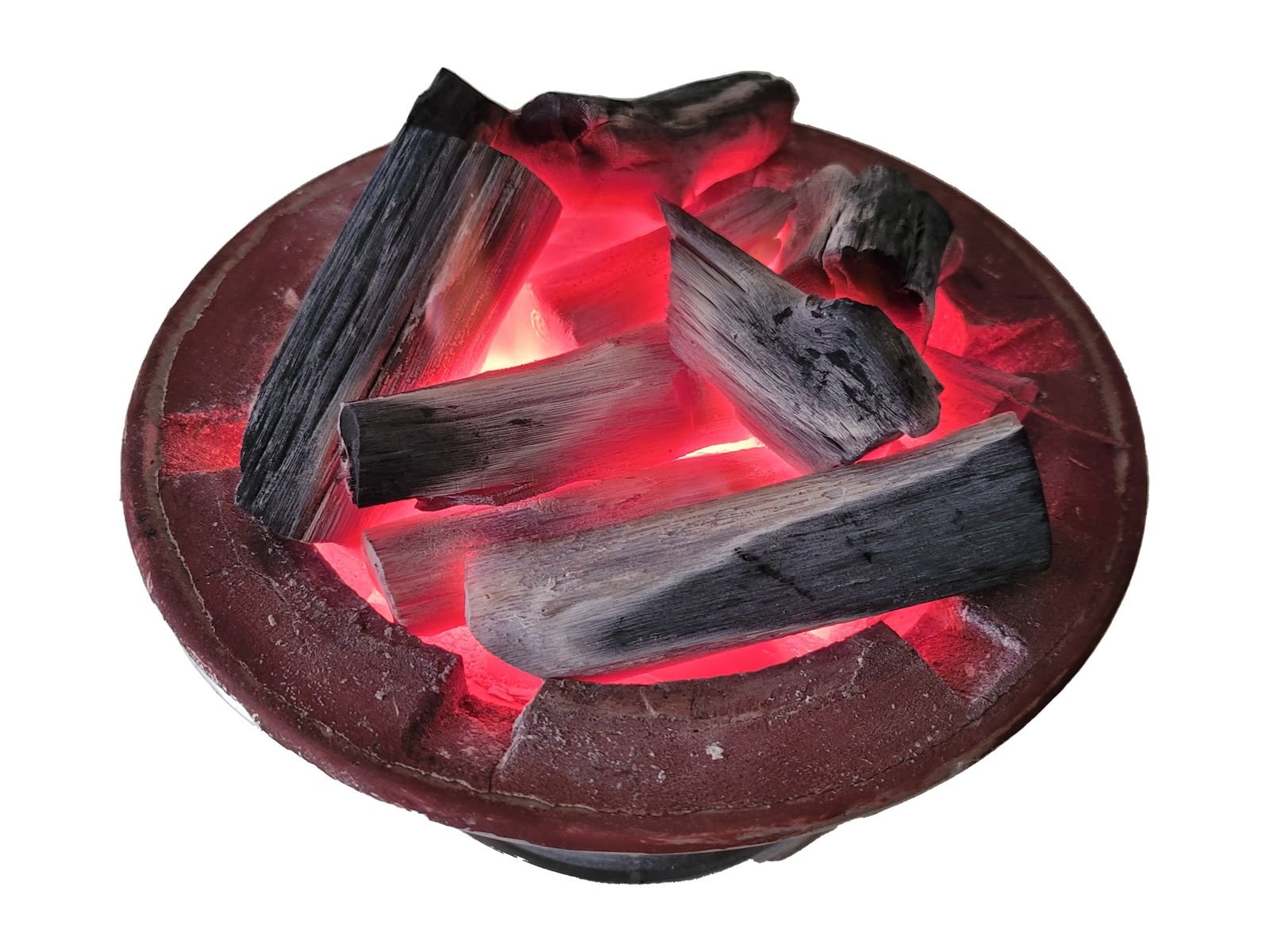
For any buyer weighing binchotan vs regular charcoal, the question is rarely which one burns hotter; it is whether the premium is justified by real performance. Binchotan, the traditional Japanese-style white charcoal, sits at the top of the market on price, while ordinary black lump and briquettes cost far less. This value analysis breaks down how the two are made, how they perform on the grill, and when paying more for binchotan actually saves money over a full service.
Poin-poin penting
- Binchotan is nearly pure carbon (fixed carbon around 95%), so it burns longer, steadier and cleaner than regular charcoal.
- The higher price reflects a slow, high-temperature production process and dense hardwood inputs, not branding.
- Judge value by cost per hour of stable heat and by waste, not by the price of a single carton.
- For short, casual cooks and fast turnover, regular charcoal can be the smarter, cheaper choice.
Binchotan vs regular charcoal: what actually differs
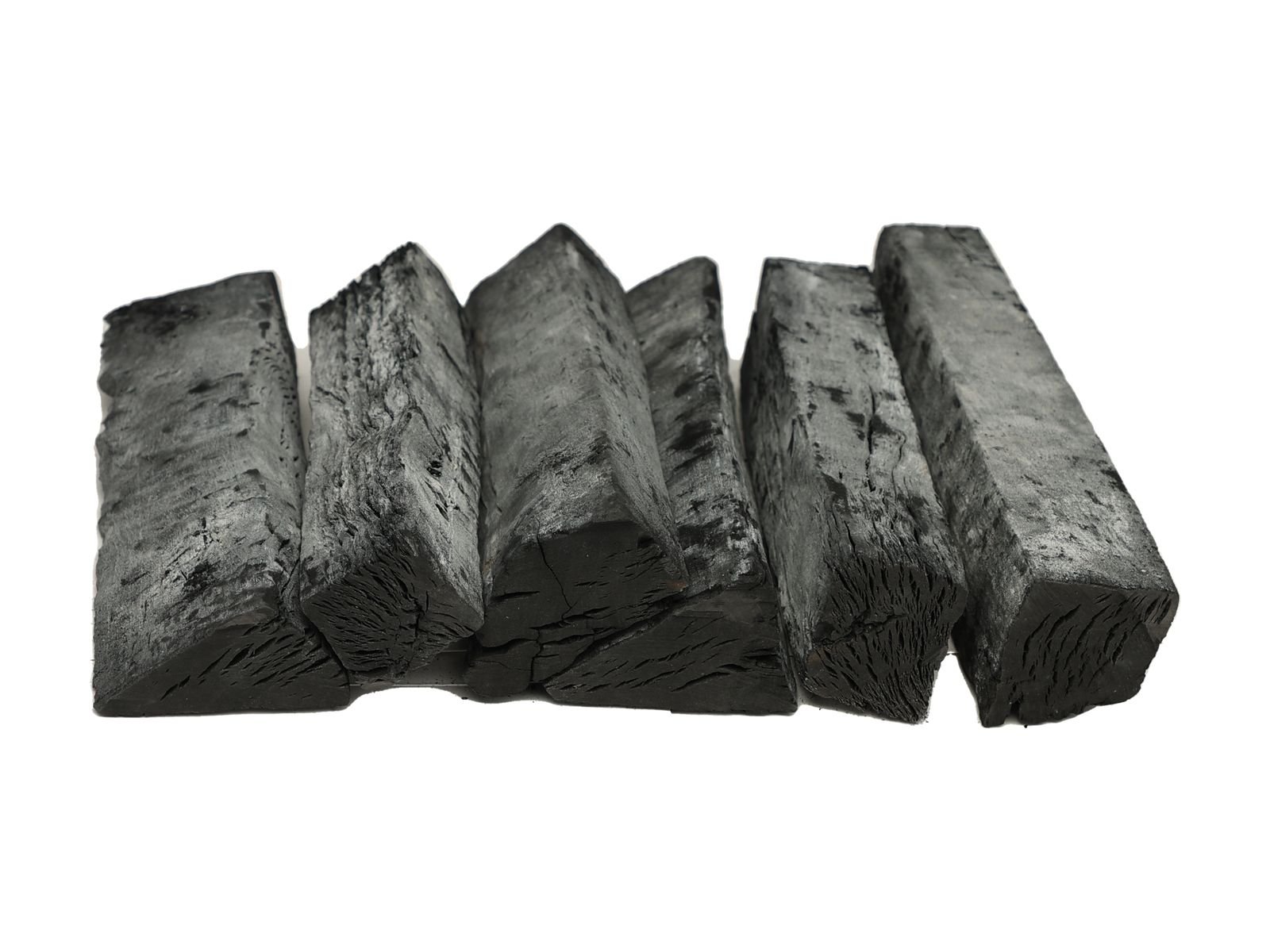
Regular charcoal, whether black lump or a standard briquette, is carbonised at relatively low temperatures. It lights easily, burns warm and does the job for everyday grilling. Binchotan is made differently. Dense hardwoods and fruitwoods are carbonised slowly, then finished at very high heat and quenched with a damp earth-and-ash mix, which gives the surface its pale, metallic sheen and the family its name, white charcoal.
That process yields a fuel that is exceptionally dense, almost pure carbon, and slow to burn. Well-fired binchotan is so hard that two pieces ring like metal when struck together, a quick field test ordinary charcoal cannot pass. VUTRUX binchotan is produced from eucalyptus, lychee, longan and orange-pomelo woods, with fixed carbon typically around 95%. If you want the full background on the material itself, see our guide to what binchotan white charcoal is.
How binchotan is made, and why it costs more
The price gap in binchotan vs regular charcoal is not a brand premium; it is the cost of production. High-temperature finishing consumes more energy and more time, the yield from raw wood is lower, and only dense hardwoods survive the process intact. The result is a harder, denser bar that takes longer to make and weighs more per piece.
Because binchotan is nearly pure carbon with very little volatile matter, it burns cleaner. Independent labs put ash at roughly 3%, moisture near 3% and sulphur at effectively zero, with calorific value around 8,300 kcal/kg. Less moisture and fewer volatiles mean less smoke, almost no odour, and a fuel that will not taint delicate food. This is the practical difference explored in our guide to natural versus industrial charcoal.
Butuh grade ini dalam jumlah kontainer?
Beritahu kami pasar, volume, dan spesifikasi target Anda — kami membalas dalam waktu satu hari kerja dengan penawaran harga dan sampel.

Performance: burn time, heat and cleanliness
On the grill, binchotan's density pays off. It burns far longer than regular charcoal from the same weight, often lasting several hours at a stable temperature, so a single load can carry an entire service. It radiates a steady, even infrared heat that sears cleanly without the flare-ups caused by moisture and volatiles in ordinary charcoal.
Cleanliness matters too. Binchotan produces very little smoke and almost no ash, which keeps flavours pure, cuts extraction load and reduces cleaning time between services. Regular charcoal lights faster and costs less up front, but it burns out sooner, needs more frequent reloading, and leaves more ash and debris behind.
There is a workflow benefit as well. A single binchotan load that lasts a full service means fewer interruptions, less handling of hot fuel during peak covers, and a steadier grill temperature for the cook. Regular charcoal, by contrast, forces mid-service top-ups that can drop the bed temperature at exactly the wrong moment and pull a cook away from the pass.
Running the numbers: value for buyers
The honest way to judge binchotan vs regular charcoal is by cost per hour of usable, stable heat, not by the price of a carton. Binchotan's long burn and low waste narrow the gap that its sticker price first suggests.
| Factor | Binchotan (white) | Regular charcoal |
|---|---|---|
| Purchase price | Higher | Lower |
| Fixed carbon | Around 95% | Typically lower |
| Burn time | Very long | Shorter |
| Heat stability | Excellent, even | Variable |
| Smoke and odour | Very low | Higher |
| Ash and waste | Minimal | More |
| Reloads per service | Few | Frequent |
| Best fit | Premium, long service | Casual, short cooks |
For a distributor planning volumes and margins, our binchotan wholesale guide shows how the longer burn changes the maths across a full container.
When regular charcoal is the smarter buy
Binchotan is not always the right answer. For short, casual cooks, fast turnover street food, or a venue where guests never see the grill and speed matters more than finesse, regular charcoal can be the smarter, cheaper choice. If you relight several times a day for brief bursts, binchotan's slow ignition and long burn are largely wasted.
Volume changes the calculation too. A high-turnover operation that burns many kilograms a day may find the lower purchase price of regular charcoal outweighs binchotan's efficiency, particularly where guests are not paying a premium for the grilling itself. The decision comes down to service length and positioning: long services, premium menus and open kitchens reward binchotan, while quick, high-churn cooking often does not. Matching the fuel to the format is what protects your margin.
Sourcing binchotan that earns its price
Jika Anda memutuskan binchotan layak untuk dibeli, belilah berdasarkan bukti. Desak adanya Sertifikat Analisis per lot, MSDS, serta rincian kelas dan ukuran yang jelas, karena kualitasnya sangat bervariasi antar produsen. VUTRUX menyediakan binchotan dalam kelas A dan B, bulat atau belah, dari sekitar 80 hingga 200 mm, dalam karton 10 kg, FOB Hai Phong, dengan uji tuntas EUDR dan dokumentasi fitosanitari yang siap.
Ujian paling pasti adalah panggangan Anda sendiri. Minta sampel dan penawaran harga, gunakan dalam layanan nyata dibandingkan dengan arang Anda saat ini, dan ukur waktu bakar, stabilitas panas, serta limbahnya sendiri sebelum berkomitmen pada satu kontainer.
Pertanyaan yang sering diajukan
Apakah binchotan sebanding dengan biaya tambahannya?
Untuk layanan durasi panjang, menu premium, dan dapur terbuka, biasanya ya. Binchotan terbakar jauh lebih lama dan lebih stabil daripada arang biasa dengan jauh lebih sedikit asap dan abu, sehingga biaya per jam untuk panas yang stabil lebih mendekati daripada yang disarankan oleh harga jual. Untuk juru masak kasual jangka pendek, ini mungkin tidak sebanding, jadi ujilah dalam layanan nyata untuk memutuskan.
Mengapa binchotan jauh lebih mahal daripada arang biasa?
Binchotan diselesaikan pada suhu yang sangat tinggi selama siklus produksi yang panjang, yang menggunakan lebih banyak energi dan menghasilkan lebih sedikit arang per batch, serta membutuhkan kayu keras yang padat. Hasilnya adalah bahan bakar hampir murni karbon yang terbakar lebih lama dan lebih bersih. Anda membayar untuk kepadatan dan kinerja, bukan pencitraan merek.
Apakah binchotan benar-benar terbakar lebih lama daripada arang biasa?
Ya. Karena lebih padat dan hampir berupa karbon murni dengan kandungan zat mudah menguap yang sangat rendah, binchotan dapat terbakar selama beberapa jam pada suhu yang stabil, seringkali bertahan jauh lebih lama daripada berat yang sama dari arang biasa. Pembakaran yang lama dan merata itulah alasan utama banyak panggangan profesional menerima harga yang lebih tinggi.
Apa yang harus saya periksa sebelum membeli grosir binchotan?
Minta Sertifikat Analisis per lot (cari karbon tetap sekitar 95%, abu dan kelembapan mendekati 3%, sulfur mendekati nol), MSDS, serta spesifikasi kelas dan ukuran yang jelas. Konfirmasikan dokumen kepatuhan seperti uji tuntas EUDR, dan selalu minta sampel sebelum memesan satu kontainer penuh.