Buying binchotan charcoal wholesale is very different from picking up a bag at a shop. You are committing to a full container, a grade specification, and a compliance file that customs and your own customers will scrutinize. This guide walks importers, distributors and restaurant groups through grades, container math, pricing, quality checks and the paperwork that protects every shipment.
Key takeaways
- Stock by grade, not by name: define shape, size, fixed carbon, moisture and ash before you request pricing.
- A 20ft container typically carries roughly 18-22 MT and a 40ft high-cube 24-27 MT of binchotan, depending on packaging and density.
- Price is driven by species, carbonization method, size grading, moisture and packaging, not by the headline per-kilo number alone.
- Every lot should ship with an independent-lab Certificate of Analysis, a phytosanitary certificate and EUDR due-diligence documentation.
- Always approve a physical sample against a written spec before you confirm a container.
What Binchotan Charcoal Is, and Which Grades to Stock
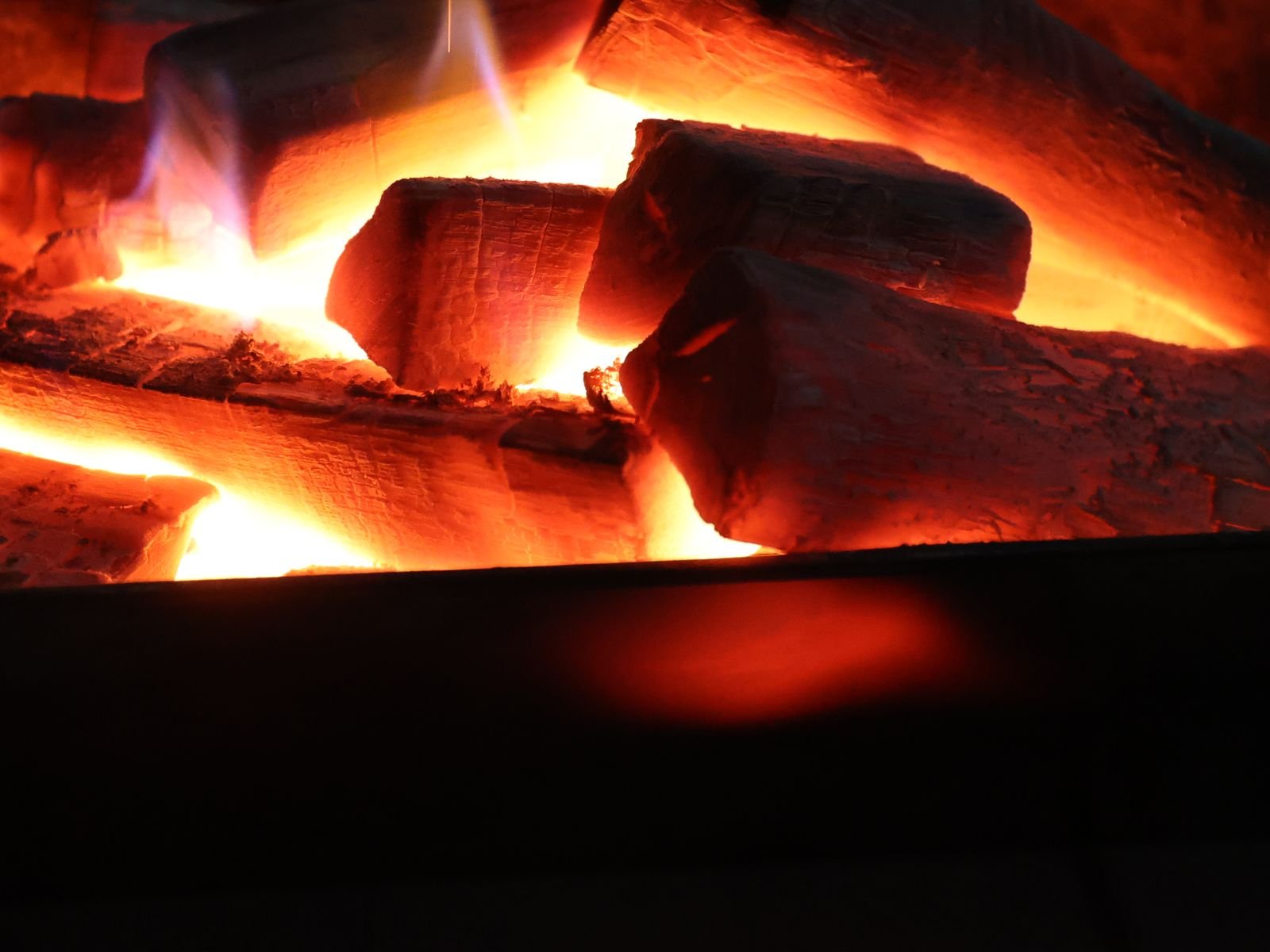
Binchotan is a white charcoal: hardwood carbonized at high temperature, then finished with a coating of earth, sand and ash that gives it a pale, mineral surface and a characteristic metallic ring when two pieces are tapped together. Compared with black lump charcoal it burns hotter for longer, produces very little smoke or flame, and holds a steady temperature, which is why grill restaurants and yakitori kitchens pay a premium for it.
For wholesale buyers, the word binchotan alone is not a specification. You are stocking a product defined by species, shape, size grade and lab values. Get these on paper before you talk price.
Typical premium binchotan specifications
Use accepted industry ranges to write your spec; the exact figures for your order appear on each lot's Certificate of Analysis.
| Property | Typical premium range | Why it matters |
|---|---|---|
| Fixed carbon | 80-93% | More carbon means more heat and a longer burn |
| Moisture | ≤ 8% | Wet charcoal sparks, smokes and wastes shipping weight |
| Ash content | 1-3% | Low ash keeps grills clean and flavour neutral |
| Volatile matter | ≤ 10% | Low volatiles mean little smoke and off-flavour |
| Calorific value | ~7,000-8,000 kcal/kg | Overall energy density |
| Burn time | ~3-5 hours | Fewer refills during service |
Grades worth carrying
- Round or cylindrical sticks for yakitori, konro grills and premium retail, specified by diameter and length.
- Split or half-round for high-heat searing on wide grills.
- Chips and offcuts for refill packs, deodorizing and water treatment, specified by size range and dust content.
Species drives character and cost. Vietnamese binchotan is commonly fired from dense hardwoods; if you want the background, see what binchotan white charcoal actually is and our profile of lychee binchotan charcoal.
MOQ and Container Math: 20ft vs 40ft
Wholesale charcoal moves by the container, so your minimum order quantity (MOQ) is usually one 20ft container. Mixed grades within a single container are often possible if you agree the split in advance.
How much fits depends on packaging and the density of the grade. Dense binchotan tends to reach the container's weight limit before it runs out of space, while bulkier lump can cube out first. Treat the figures below as planning ranges and confirm the exact loadout with your supplier.
| Container | Typical net charcoal | Common packaging | Notes |
|---|---|---|---|
| 20ft standard | ~18-22 MT | 10-15 kg cartons or woven bags on pallets | Often weight-limited for dense binchotan |
| 40ft high-cube | ~24-27 MT | Same, palletized | More volume; watch the payload limit |
Packaging that survives the voyage
- Double-wall export cartons (commonly 10 kg or 15 kg) for retail-ready grades.
- Inner liners or heat-sealed bags to control moisture pickup at sea.
- Pallets, corner boards and strapping to prevent crush and breakage.
- Clear case marking: grade, net and gross weight, lot number and country of origin.
Breakage is money lost, so ask how the supplier palletizes and whether cartons are block-stowed or stacked.
Need this grade by the container?
Tell us your market, volume and target spec — we reply within one business day with a quote and a sample offer.
What Drives Binchotan Charcoal Wholesale Pricing
The per-kilogram figure you first hear is only a starting point. Several factors move the real cost of binchotan charcoal wholesale supply, and understanding them lets you compare quotes fairly rather than chasing the lowest headline number.
- Species and raw material: denser hardwoods and named species command more than mixed offcuts.
- Carbonization method: true high-temperature white-charcoal firing costs more than fast black-charcoal kilns but yields harder, longer-burning product.
- Size and grading: long, straight, uniform pieces require careful selection; chips and offcuts are cheaper.
- Moisture and yield: drier charcoal costs more to produce but ships more usable product per ton.
- Packaging: printed, retail-ready cartons cost more than bulk bags.
- Incoterms and freight: FOB, CIF and DDP shift cost and risk between you and the supplier.
Because ocean freight, currency and season all move, we do not publish fixed list prices. Send your grade, packaging and destination and request a quote so the number reflects your actual shipment. For the full duty and freight picture, read our guide to importing charcoal from Vietnam.
Quality Checks Every Buyer Should Run
You can screen most quality problems with a written spec, a sample and a lab report. Here is a practical routine you can run in an afternoon.
On the sample
- Tap two pieces together: premium binchotan gives a clear, metallic ring, not a dull thud.
- Check the break: a dense, glassy cross-section beats a soft, crumbly one.
- Light one piece and time it, looking for long, steady heat with minimal smoke, sparking and flame.
- Handle for moisture: pieces should feel dry and hard, not damp or spongy.
On the paperwork
Match the sample to an independent-lab Certificate of Analysis (COA) covering fixed carbon, ash, moisture, volatile matter and calorific value. Confirm the COA is issued per lot, not a generic marketing sheet. If you are new to reading them, our explainer on how to read a charcoal COA breaks down every line.
Rule of thumb: if a supplier cannot produce a recent, lot-specific COA and a matching sample, treat the quote as unverified.
Required Compliance: EUDR, Phytosanitary and COA
Charcoal is a wood product, so it carries plant-health and, increasingly, deforestation obligations. Build these into your purchase from day one rather than scrambling at the port.
- Certificate of Analysis: independent-lab results per lot, as above.
- Phytosanitary certificate: issued by the exporting country's plant-protection authority, confirming the goods meet the importing country's plant-health rules.
- EUDR due diligence: for the EU market, wood charcoal falls under the EU Deforestation Regulation, which requires geolocation of the harvest area and a due-diligence statement.
- Certificate of Origin, packing list and Bill of Lading: the commercial and customs backbone of every shipment.
VUTRUX ships with EUDR due-diligence and phytosanitary documentation ready, plus an independent-lab COA per lot. If you sell into Europe, our EUDR compliance checklist for charcoal importers shows exactly what to collect and keep.
How to Vet a Supplier and Sample Before a Container
A container is a large commitment, so treat supplier selection like hiring. Work through this before you wire a deposit.
- Ask for a lot-specific COA, a phytosanitary specimen and, for the EU, EUDR documentation.
- Request a physical sample and approve it against a written spec covering shape, size and lab values.
- Confirm packaging, palletization and case marking in writing.
- Agree Incoterms (FOB, CIF or DDP) and payment terms (T/T or L/C) up front.
- Check the track record: export markets served, references and consistency from lot to lot.
Sampling before you order
Never skip the sample. It confirms the grade, exposes moisture or breakage problems, and gives you a physical benchmark to hold future lots against. VUTRUX offers sample-before-order, ships FOB Hai Phong, works on FOB, CIF or DDP terms, accepts payment by T/T or L/C, and serves more than 40 export markets. When you are ready, ask for a sample and we will match it to a spec you can reorder against. If you supply kitchens, our note on the best charcoal for restaurants helps you position the grade.
Frequently asked questions
What is the minimum order for binchotan charcoal wholesale?
Most exporters set the minimum at one 20ft container, which typically holds roughly 18-22 MT depending on grade and packaging. Mixed grades in one container are often possible if you agree the split in advance. Request a quote with your target grades to confirm the loadout.
How long does binchotan burn compared with regular lump charcoal?
Premium binchotan commonly burns for around 3-5 hours with steady heat and little smoke, noticeably longer than most black lump charcoal. Exact burn time depends on piece size, airflow and the grill. See our comparison of binchotan vs lump vs briquettes for the trade-offs.
Do I need a COA for every shipment?
Yes. Insist on an independent-lab Certificate of Analysis issued per lot, covering fixed carbon, moisture, ash, volatile matter and calorific value. A generic sheet is not enough for quality control or customs. Learn to interpret one in our guide to reading a charcoal COA.
Can I get a sample before committing to a container?
You should. VUTRUX offers sample-before-order so you can approve shape, size and lab values against a written spec before you confirm. Ask for a sample to get started.