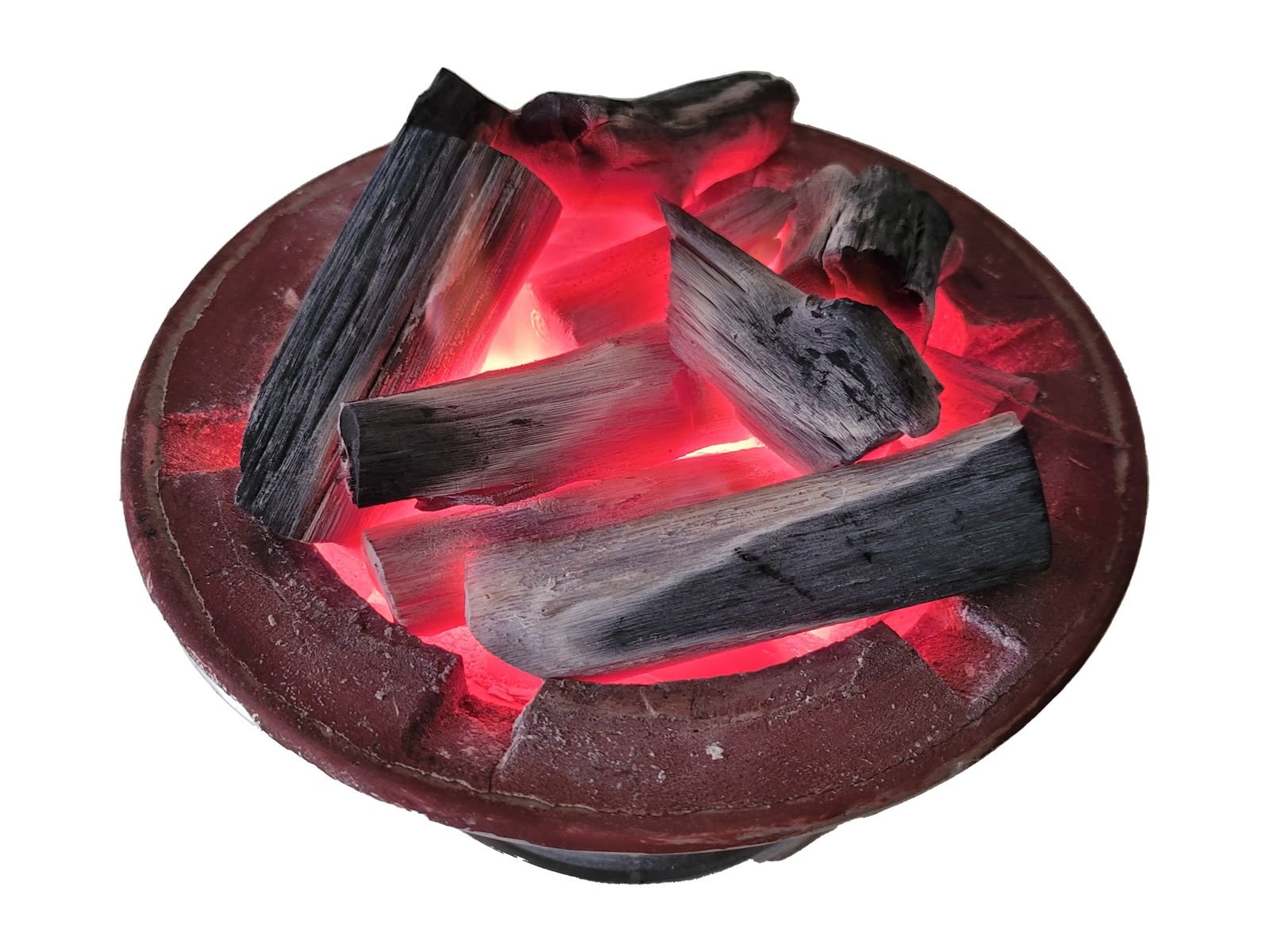
On a charcoal COA, fixed carbon is the single number that tells you how hot and how long a coal will burn, but it only means something alongside ash, moisture and volatile matter. A Certificate of Analysis turns marketing claims into measurable specs. This guide explains each metric, the ranges that signal real quality, and the red flags that reveal a weak lot.
Key takeaways
- Fixed carbon drives heat output and burn time; on a charcoal COA it is the headline quality number.
- Low ash, low moisture and low volatile matter separate premium natural charcoal from cheap, smoky product.
- Always check the reporting basis (as-received versus dry) so you compare like with like.
- A trustworthy COA names an accredited lab, cites test methods, and ties results to a specific lot or batch.
What a charcoal COA actually is
A Certificate of Analysis (COA) is a lab report that states the measured composition of a charcoal, ideally for the exact lot you are buying. It turns vague claims, such as restaurant grade, premium or low ash, into numbers you can verify. The four figures at its core come from a proximate analysis: fixed carbon, ash, volatile matter and moisture.
A COA is not the same as a marketing spec sheet. A spec sheet describes what a product should be; a COA reports what a specific batch actually tested at. Because charcoal is a natural product, results drift between production runs, species and even seasons, which is why a per-lot COA from an independent laboratory matters more than a single flattering test from years ago. VUTRUX issues an independent-lab COA per lot and offers a sample before any order, so the paperwork and the product line up. For the wider quality picture, see our comparison of natural versus industrial charcoal.
Fixed carbon and the other metrics on a charcoal COA
These four values are reported as percentages and, on a dry basis, add up to roughly 100%. Understanding each one tells you how a coal will actually behave.
Fixed carbon
Fixed carbon is the solid combustible carbon left after moisture and volatile gases are driven off. It is the engine of the fire: higher fixed carbon means more heat and a longer, steadier burn. On a charcoal COA, fixed carbon is the headline quality number, and it is usually calculated by difference, meaning 100% minus moisture, volatile matter and ash.
Ash content
Ash is the non-combustible mineral residue left after the carbon has burned away. It produces no heat and, in high amounts, dilutes the fuel and leaves more to clean up. Lower is better: premium natural charcoal keeps ash low, while cheap briquettes bulked with fillers run much higher.
Volatile matter
Volatile matter is the gases and light compounds released when charcoal is heated. High volatile matter causes flare-ups, smoke and stronger odor; low volatile matter gives the clean, smokeless heat that binchotan is famous for.
Moisture
Moisture is simply the water in the charcoal. It makes coal harder to light, causes hissing and smoke, and means part of the weight you paid for is water rather than fuel. Well-dried charcoal keeps moisture low.
Need this grade by the container?
Tell us your market, volume and target spec — we reply within one business day with a quote and a sample offer.
Fixed carbon, ash and moisture at a glance
The ranges below are indicative for good-quality product and vary by species, grade and the standard used. Treat them as a sanity check, not absolute cut-offs.
| Metric | What it measures | Typical good range | Why it matters |
|---|---|---|---|
| Fixed carbon | Solid combustible carbon | Around 75%+ for quality lump; around 80 to 93% for premium and binchotan | Heat output and burn time |
| Ash | Non-combustible mineral residue | Under roughly 3 to 4% for premium natural charcoal | Residue, grill cleanliness, heat dilution |
| Volatile matter | Gases released on heating | Low, often under roughly 15%; very low for binchotan | Smoke, flare-ups, odor |
| Moisture | Water content | Around 5 to 8% or lower when well-dried | Lighting ease, smoke, usable weight |
| Calorific value | Energy released per kg | Around 7,000 to 8,000 kcal/kg (roughly 29 to 33 MJ/kg) for hardwood charcoal | Total heat energy available |
How charcoal is tested
The four proximate values come from a defined laboratory sequence, most commonly under ASTM D1762 (chemical analysis of wood charcoal) or an equivalent standard. In simplified terms, the lab:
- Weighs a prepared sample, then dries it to measure moisture as the weight lost.
- Heats it in a covered crucible so gases escape without burning, to measure volatile matter.
- Burns off the remaining carbon in air; what is left is the ash.
- Calculates fixed carbon by difference, meaning whatever remains after moisture, volatile matter and ash.
Calorific value is measured separately with a bomb calorimeter, for example under ISO 1928. Two details decide whether a COA is comparable: the reporting basis and the sampling. Results quoted as received include moisture, which lowers the apparent fixed-carbon percentage, while a dry basis excludes it and reads higher. Always compare like with like. And a COA is only as good as the sample behind it, so it should be drawn representatively from the actual lot.
How the numbers predict burn performance
Read together, these metrics tell you how a coal will perform before you ever light it.
- High fixed carbon and low volatile matter deliver hot, steady, low-smoke, low-odor heat, the profile that makes binchotan ideal for delicate grilling.
- High ash means more residue, a dirtier grill and heat that fades faster as the bed chokes with mineral matter.
- High moisture makes coals hard to light, produces steam and smoke, and reduces the fuel you actually get per kilogram.
- High volatile matter brings flare-ups, smoke and stronger flavors, which are acceptable for some barbecue but wrong for clean, precise cooking.
This is why fixed carbon alone never tells the whole story, and why a chef choosing coal should weigh all four numbers. Our comparison of binchotan versus lump versus briquettes and our guide to the best charcoal for restaurants show how these profiles map to real service.
Red flags on a charcoal COA
A COA should make you more confident, not less. Be cautious when you see any of the following:
- No named, accredited laboratory: a self-declared result with no independent lab behind it is just a claim.
- No test method cited: reputable reports reference a standard such as ASTM D1762 or ISO 1928.
- No lot or batch number and no date: without these you cannot tie the results to your shipment.
- Basis not stated, or only an as-received figure with implausibly low moisture masking the real numbers.
- Figures that do not add up: the proximate values should total close to 100%.
- Suspiciously round or identical results across every lot, which natural charcoal does not produce.
- Fixed carbon quoted well above realistic ranges for the species and grade.
The strongest protection is simple: match the COA to a physical sample, and insist on a fresh, per-lot certificate for each shipment. That is how VUTRUX works, with a sample first and an independent-lab COA per lot. When you are ready to verify a spec against your own requirement, request a quote and a sample.
Frequently asked questions
What is a good fixed carbon percentage for charcoal?
For quality natural lump, fixed carbon of roughly 75% and up is a reasonable benchmark, while premium hardwood and binchotan often test in the 80 to 93% range. Figures far below that usually signal high volatile matter, high ash or fillers. Ranges vary by species and standard, so read fixed carbon alongside ash and moisture.
Fixed carbon or calorific value, which matters more?
They are related but not identical. Fixed carbon largely governs how long and how steadily a coal burns, while calorific value measures the total energy released per kilogram. For grilling performance, high fixed carbon with low volatile matter is the profile to look for; use calorific value as a supporting figure.
Why does ash content matter so much?
Ash is the non-combustible residue left after burning. It produces no heat, so a high-ash coal delivers less usable energy, fades faster and leaves more to clean out of the grill. Premium natural charcoal typically keeps ash under about 3 to 4%, whereas filler-heavy briquettes can run considerably higher.
What is the difference between as-received and dry-basis results?
As-received results include the moisture in the sample, which lowers the apparent fixed-carbon percentage. Dry-basis results exclude moisture, so the same coal reads higher. Neither is wrong, but you must compare quotes on the same basis, otherwise a drier-looking spec may simply reflect the reporting method rather than better charcoal.
Should every shipment come with its own COA?
Yes. Because charcoal is a natural product that varies between production runs, a per-lot Certificate of Analysis from an independent laboratory is the only way to know what you are actually receiving. A single old certificate reused across many shipments tells you little about the coal on your pallet.