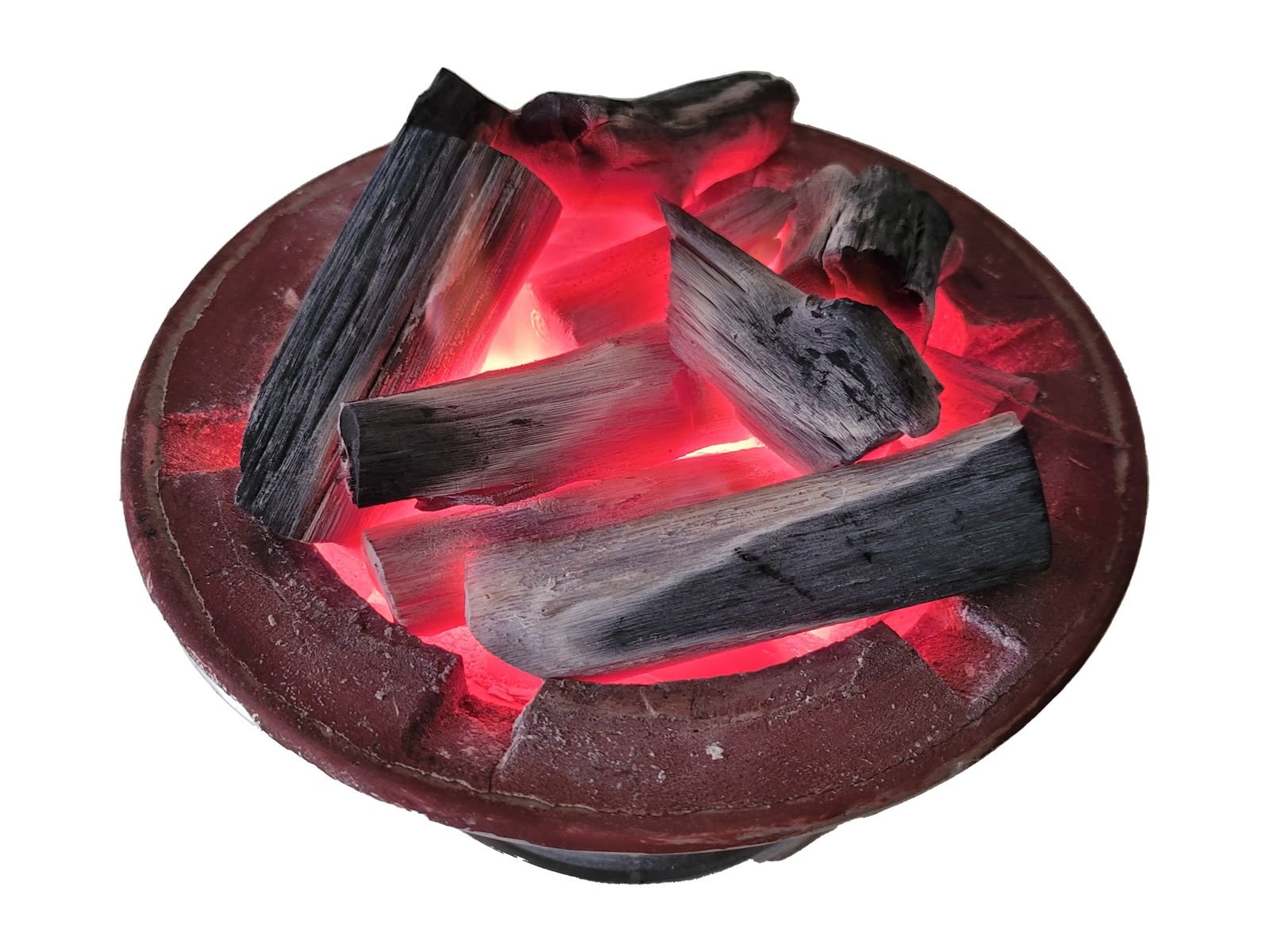
For any buyer weighing binchotan vs regular charcoal, the question is rarely which one burns hotter; it is whether the premium is justified by real performance. Binchotan, the traditional Japanese-style white charcoal, sits at the top of the market on price, while ordinary black lump and briquettes cost far less. This value analysis breaks down how the two are made, how they perform on the grill, and when paying more for binchotan actually saves money over a full service.
Key takeaways
- Binchotan is nearly pure carbon (fixed carbon around 95%), so it burns longer, steadier and cleaner than regular charcoal.
- The higher price reflects a slow, high-temperature production process and dense hardwood inputs, not branding.
- Judge value by cost per hour of stable heat and by waste, not by the price of a single carton.
- For short, casual cooks and fast turnover, regular charcoal can be the smarter, cheaper choice.
Binchotan vs regular charcoal: what actually differs
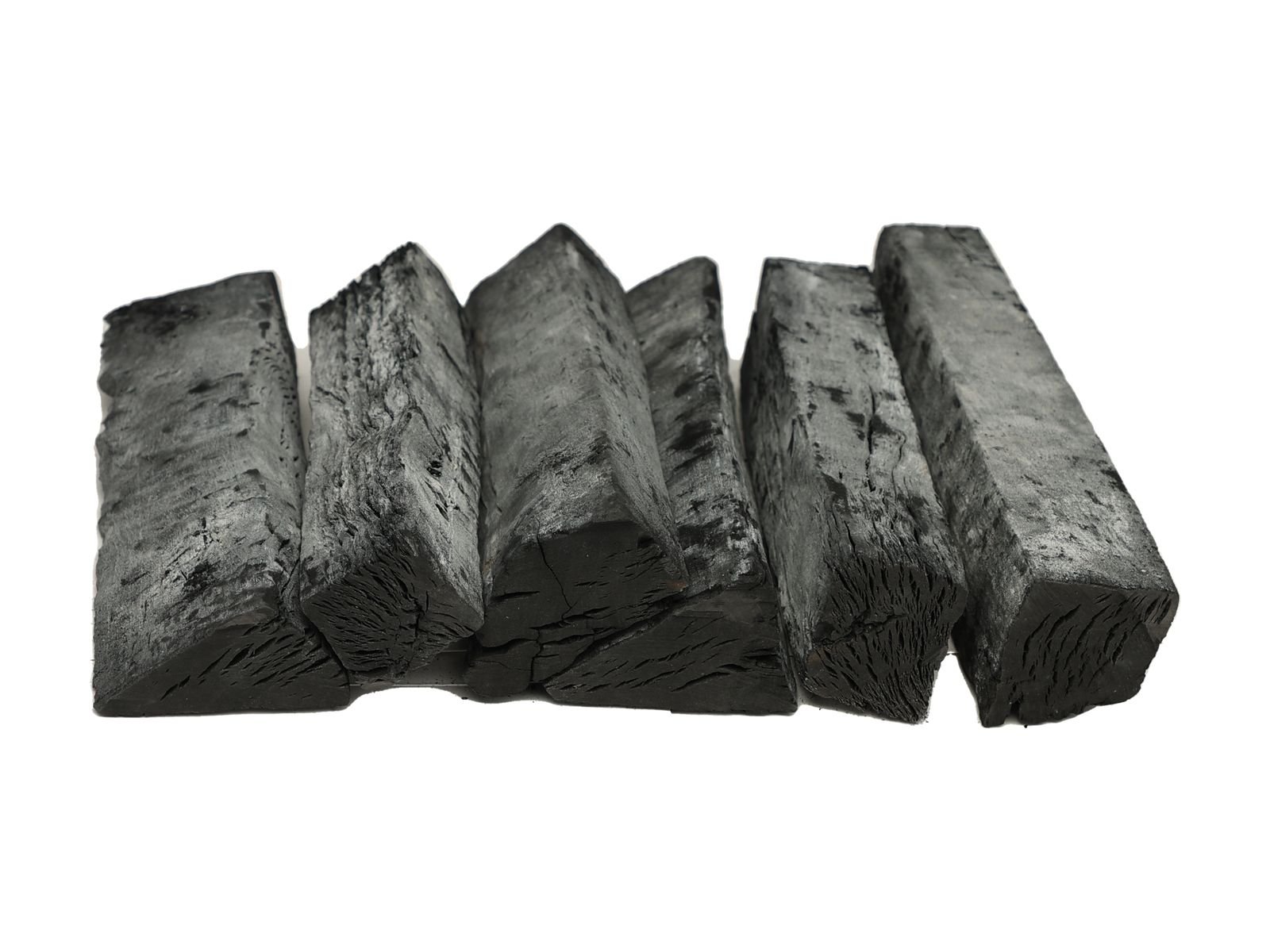
Regular charcoal, whether black lump or a standard briquette, is carbonised at relatively low temperatures. It lights easily, burns warm and does the job for everyday grilling. Binchotan is made differently. Dense hardwoods and fruitwoods are carbonised slowly, then finished at very high heat and quenched with a damp earth-and-ash mix, which gives the surface its pale, metallic sheen and the family its name, white charcoal.
That process yields a fuel that is exceptionally dense, almost pure carbon, and slow to burn. Well-fired binchotan is so hard that two pieces ring like metal when struck together, a quick field test ordinary charcoal cannot pass. VUTRUX binchotan is produced from eucalyptus, lychee, longan and orange-pomelo woods, with fixed carbon typically around 95%. If you want the full background on the material itself, see our guide to what binchotan white charcoal is.
How binchotan is made, and why it costs more
The price gap in binchotan vs regular charcoal is not a brand premium; it is the cost of production. High-temperature finishing consumes more energy and more time, the yield from raw wood is lower, and only dense hardwoods survive the process intact. The result is a harder, denser bar that takes longer to make and weighs more per piece.
Because binchotan is nearly pure carbon with very little volatile matter, it burns cleaner. Independent labs put ash at roughly 3%, moisture near 3% and sulphur at effectively zero, with calorific value around 8,300 kcal/kg. Less moisture and fewer volatiles mean less smoke, almost no odour, and a fuel that will not taint delicate food. This is the practical difference explored in our guide to natural versus industrial charcoal.
Need this grade by the container?
Tell us your market, volume and target spec — we reply within one business day with a quote and a sample offer.

Performance: burn time, heat and cleanliness
On the grill, binchotan's density pays off. It burns far longer than regular charcoal from the same weight, often lasting several hours at a stable temperature, so a single load can carry an entire service. It radiates a steady, even infrared heat that sears cleanly without the flare-ups caused by moisture and volatiles in ordinary charcoal.
Cleanliness matters too. Binchotan produces very little smoke and almost no ash, which keeps flavours pure, cuts extraction load and reduces cleaning time between services. Regular charcoal lights faster and costs less up front, but it burns out sooner, needs more frequent reloading, and leaves more ash and debris behind.
There is a workflow benefit as well. A single binchotan load that lasts a full service means fewer interruptions, less handling of hot fuel during peak covers, and a steadier grill temperature for the cook. Regular charcoal, by contrast, forces mid-service top-ups that can drop the bed temperature at exactly the wrong moment and pull a cook away from the pass.
Running the numbers: value for buyers
The honest way to judge binchotan vs regular charcoal is by cost per hour of usable, stable heat, not by the price of a carton. Binchotan's long burn and low waste narrow the gap that its sticker price first suggests.
| Factor | Binchotan (white) | Regular charcoal |
|---|---|---|
| Purchase price | Higher | Lower |
| Fixed carbon | Around 95% | Typically lower |
| Burn time | Very long | Shorter |
| Heat stability | Excellent, even | Variable |
| Smoke and odour | Very low | Higher |
| Ash and waste | Minimal | More |
| Reloads per service | Few | Frequent |
| Best fit | Premium, long service | Casual, short cooks |
For a distributor planning volumes and margins, our binchotan wholesale guide shows how the longer burn changes the maths across a full container.
When regular charcoal is the smarter buy
Binchotan is not always the right answer. For short, casual cooks, fast turnover street food, or a venue where guests never see the grill and speed matters more than finesse, regular charcoal can be the smarter, cheaper choice. If you relight several times a day for brief bursts, binchotan's slow ignition and long burn are largely wasted.
Volume changes the calculation too. A high-turnover operation that burns many kilograms a day may find the lower purchase price of regular charcoal outweighs binchotan's efficiency, particularly where guests are not paying a premium for the grilling itself. The decision comes down to service length and positioning: long services, premium menus and open kitchens reward binchotan, while quick, high-churn cooking often does not. Matching the fuel to the format is what protects your margin.
Sourcing binchotan that earns its price
If you decide binchotan is worth it, buy on evidence. Insist on a per-lot Certificate of Analysis, an MSDS, and clear grade and size details, because quality varies widely between producers. VUTRUX supplies binchotan in grades A and B, round or split, from about 80 to 200 mm, in 10 kg cartons, FOB Hai Phong, with EUDR due-diligence and phytosanitary documentation ready.
The surest test is your own grill. Request a sample and a quote, run it over a real service against your current charcoal, and measure burn time, heat stability and waste for yourself before committing to a container.
Frequently asked questions
Is binchotan worth the extra cost?
For long services, premium menus and open kitchens, usually yes. Binchotan burns much longer and more steadily than regular charcoal with far less smoke and ash, so the cost per hour of stable heat is closer than the sticker price suggests. For short, casual cooks it may not be worth it, so test it over a real service to decide.
Why is binchotan so much more expensive than regular charcoal?
Binchotan is finished at very high temperatures over a long production cycle, which uses more energy and yields less charcoal per batch, and it requires dense hardwoods. The result is a near-pure-carbon fuel that burns longer and cleaner. You are paying for density and performance, not branding.
Does binchotan really burn longer than normal charcoal?
Yes. Because it is denser and almost pure carbon with very low volatile content, binchotan can burn for several hours at a stable temperature, often outlasting the same weight of regular charcoal by a wide margin. That long, even burn is the main reason many professional grills accept the higher price.
What should I check before buying binchotan wholesale?
Ask for a per-lot Certificate of Analysis (look for fixed carbon around 95%, ash and moisture near 3%, sulphur near zero), an MSDS, and clear grade and size specifications. Confirm compliance documents such as EUDR due diligence, and always request a sample before ordering a full container.