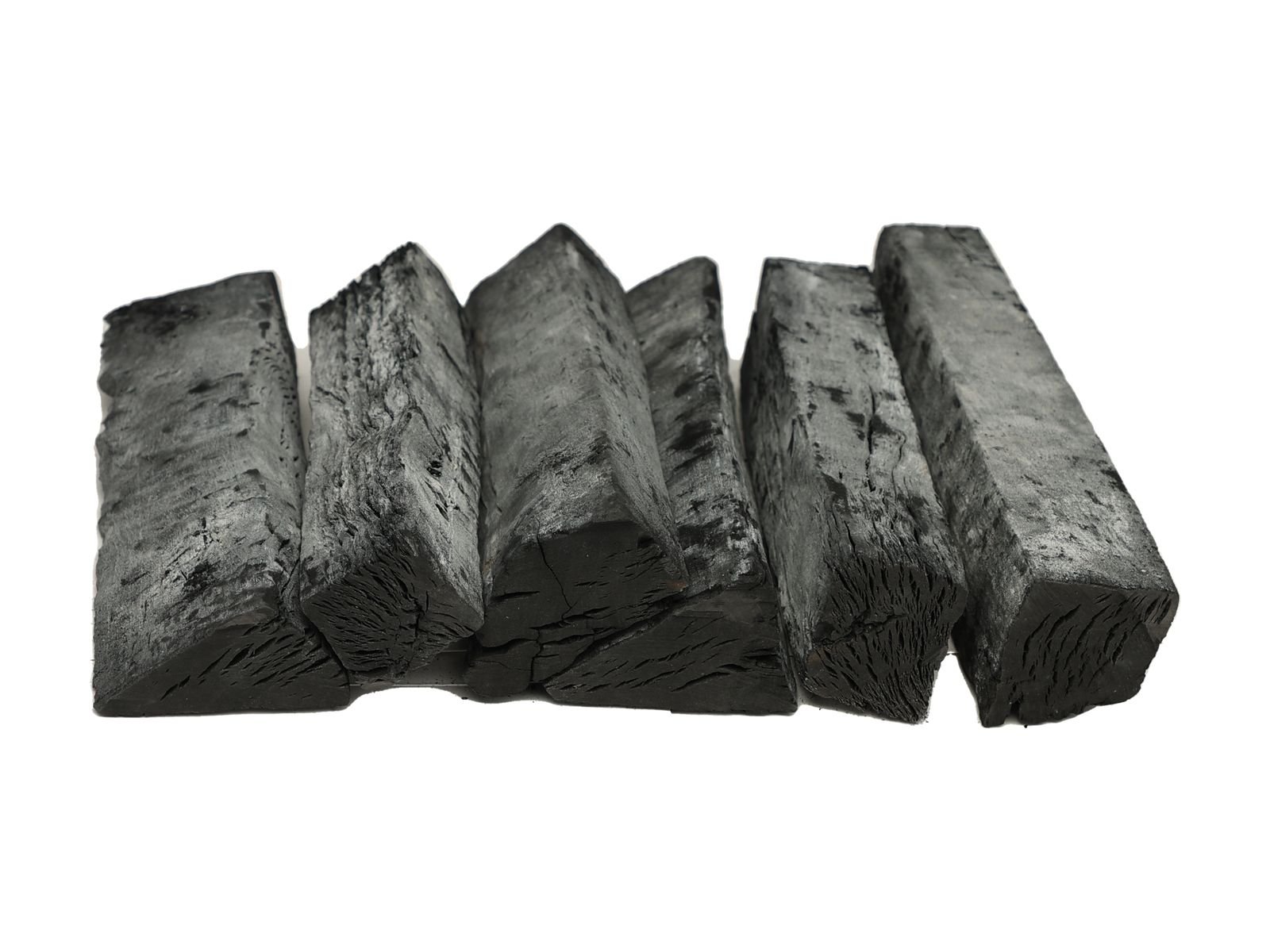
The charcoal HS code you declare decides your duty rate, the documents customs expects, and whether your container clears cleanly or gets held. This guide explains where wood charcoal sits in the Harmonized System, how national codes differ across the EU, the US and Asia, and why most markets charge little or no duty on charcoal but still add VAT, GST and handling on top.
Key takeaways
- Wood charcoal sits in HS heading 4402, split into 4402.10 (bamboo) and 4402.90 (all other charcoal).
- Everything VUTRUX exports, from binchotan to ogatan to hardwood lump, is classified under 4402.90, not bamboo.
- The six-digit charcoal HS code is identical worldwide; countries add their own suffix, so confirm the national line with a broker.
- MFN duty on wood charcoal is currently zero in most major markets, but VAT or GST, clearance and port charges still apply.
- A valid Certificate of Origin proves Vietnamese origin and unlocks preferential rates where a market still charges duty.
Why the Charcoal HS Code Matters
Every cross-border shipment is classified against the Harmonized System, and the charcoal HS code you declare does three jobs at once: it sets the duty rate you pay, it tells customs which documents to expect, and it influences whether your container clears in hours or gets pulled for inspection. Get it right and clearance is routine; get it wrong and you risk penalties, delays and back-duty long after the goods have sold.
The Harmonized System is maintained by the World Customs Organization and shared by more than 200 economies. The first six digits are identical everywhere, so a code that begins correctly in Vietnam is recognised in Rotterdam, Los Angeles or Yokohama. Beyond six digits, each country adds a national suffix for statistics and duty, which is where a good broker earns their fee.
Classification is legally the importer's responsibility, not the exporter's, so it pays to understand the heading yourself. If you are assembling your first shipment end to end, our guide on how to import charcoal from Vietnam sets the code in the context of the full document set and landed cost.
The Charcoal HS Code: Heading 4402
All wood charcoal sits in HS heading 4402: wood charcoal (including shell or nut charcoal), whether or not agglomerated. At the six-digit level the charcoal HS code splits into just two subheadings, so classification at the root is refreshingly simple.
| HS code | Description | What it covers |
|---|---|---|
| 4402 | Wood charcoal, including shell or nut charcoal, agglomerated or not | The parent heading for all charcoal of this type |
| 4402.10 | Of bamboo | Bamboo charcoal only |
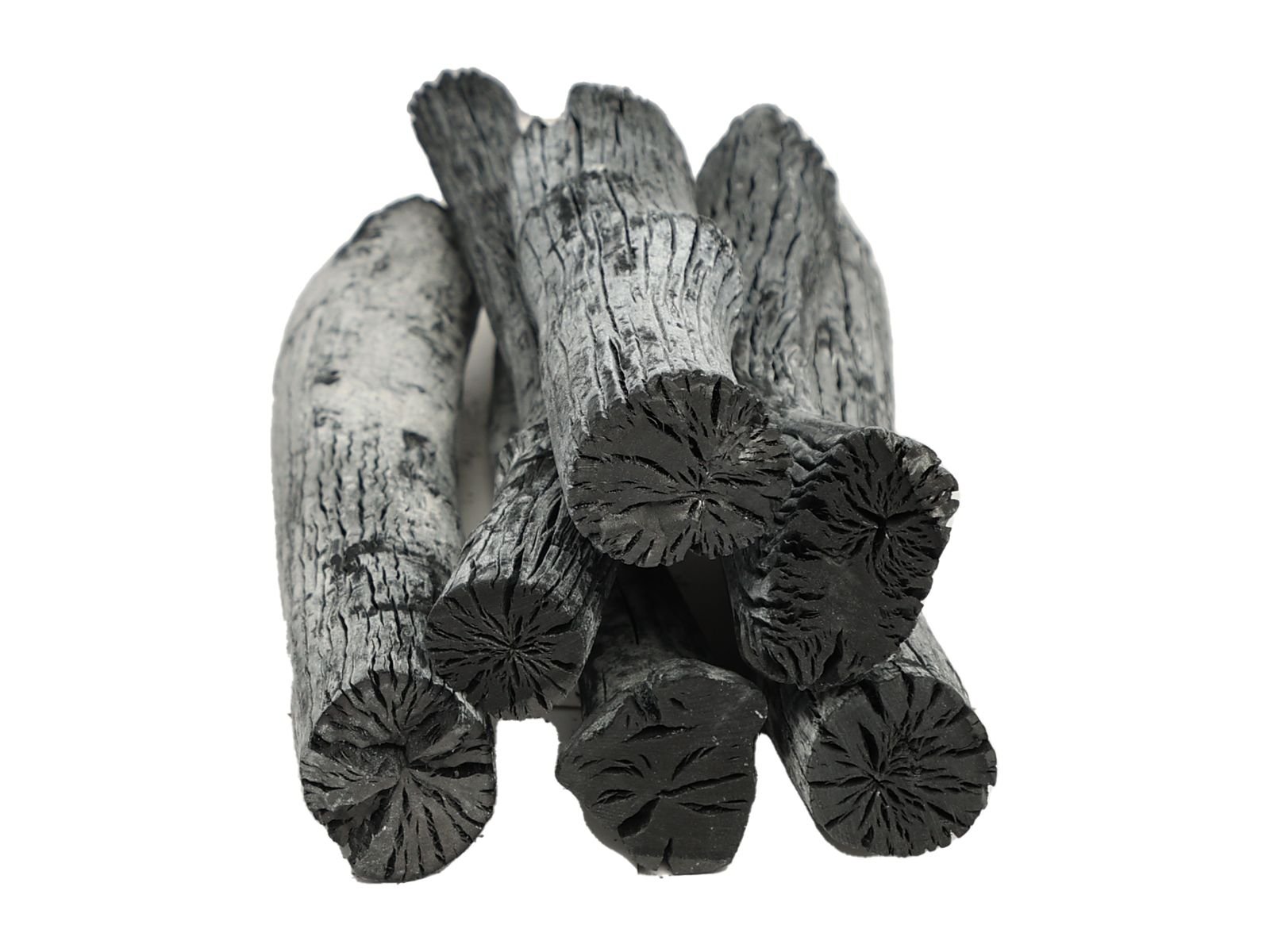
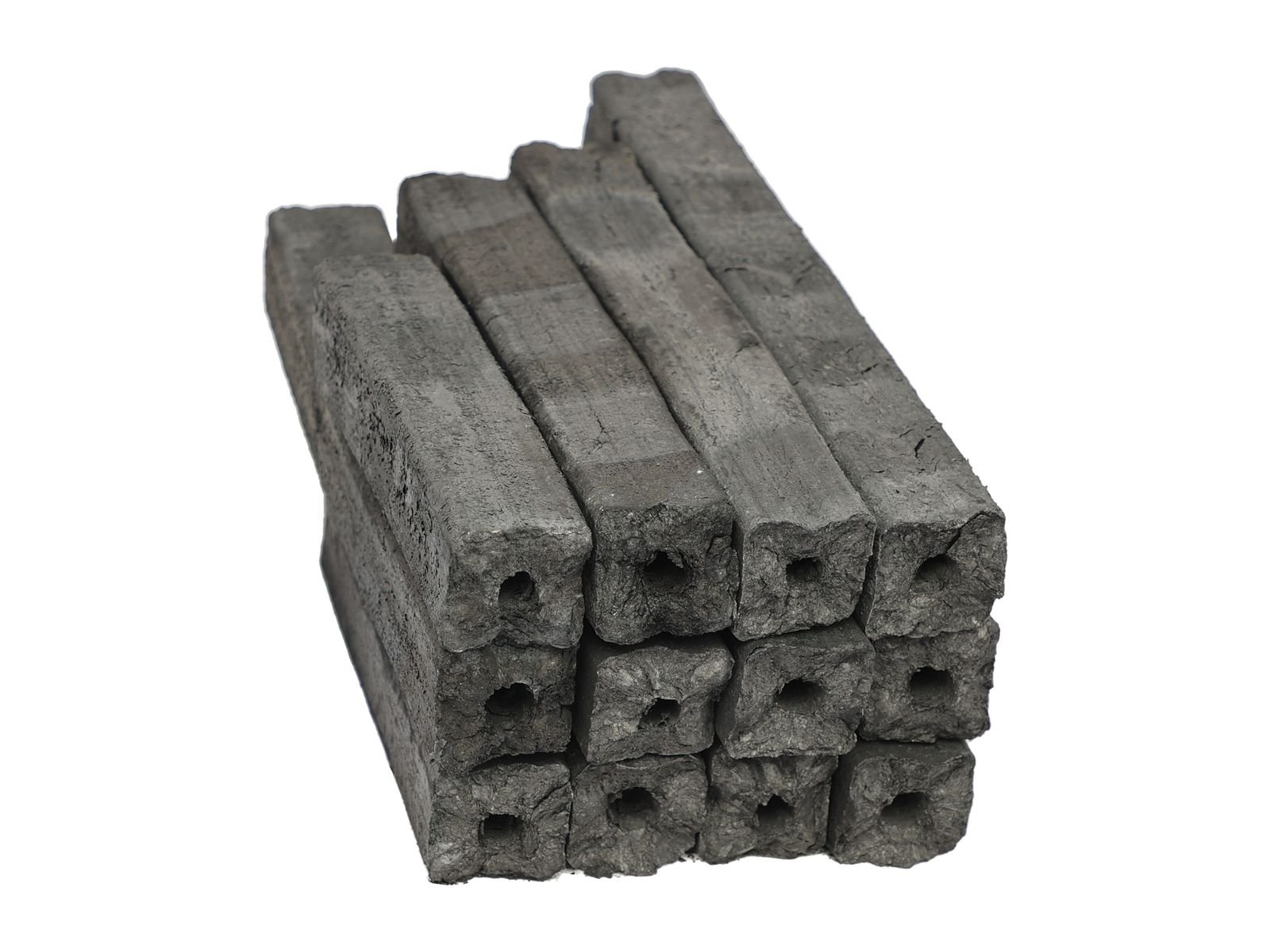
| 4402.90 | Other | Hardwood lump, binchotan, sawdust briquettes (ogatan) and coconut-shell charcoal |
Everything VUTRUX exports is classified under 4402.90, not 4402.10. That includes our binchotan from eucalyptus, lychee, longan and orange-pomelo wood; our ogatan hexagon and square briquettes, which stay under "other" even though they are agglomerated from sawdust; and hardwood lump charcoal. Bamboo charcoal, which VUTRUX does not produce, is the only type that falls under 4402.10.
Need this grade by the container?
Tell us your market, volume and target spec — we reply within one business day with a quote and a sample offer.
National Suffixes: EU, US and Asia
The six-digit root 4402.90 is universal, but the full code you declare is longer. Each customs territory extends it with a national suffix that drives the statistical line and, where relevant, the duty rate.
| Market | Code family | Notes |
|---|---|---|
| European Union | 4402 90 00 (CN) | Eight-digit Combined Nomenclature line for wood charcoal |
| United States | 4402.90 + statistical suffix (HTSUS) | Ten-digit line; wood charcoal is generally duty-free |
| Japan and others | 4402.90 + national suffix | Confirm the exact local line with your broker |
Always have your customs broker confirm the exact national line for your destination. The six-digit root will be 4402.90 for our products, but the suffix, and therefore the statistical treatment and any duty, is set locally and can change with each annual tariff update.
If you import more than one charcoal type, classify each on its own merits rather than under a single blanket line. Hardwood lump, sawdust briquettes and binchotan all share 4402.90, but a broker will still want the products described separately on your customs entry so the declaration matches what is physically in the container.
Charcoal Tariffs and Duties by Market
Here is the good news for buyers: in most major markets the MFN (most-favoured-nation) duty on wood charcoal under 4402.90 is currently zero. At the time of writing that includes the European Union, the United States, the United Kingdom, Japan and Canada, among others. A duty-free line, however, is not a cost-free import.
| Charge | Typical treatment | Notes |
|---|---|---|
| Import duty (MFN) | Often 0% for 4402.90 in major markets | Verify the current schedule for your country |
| Preferential duty | 0% with a valid Certificate of Origin under an FTA | EVFTA, CPTPP, UKVFTA, RCEP and others |
| Import VAT / GST | Applied to the landed value | Often reclaimable by registered businesses |
| Trade remedies | None typical for wood charcoal | Still check destination measures before booking |
Where a market does apply a positive duty, Vietnam's network of trade agreements can reduce or remove it. A valid Certificate of Origin proving Vietnamese origin unlocks preferential rates under deals such as the EU-Vietnam FTA (EVFTA), the CPTPP, the UK-Vietnam FTA and RCEP. Even where duty is already zero, the certificate remains the document that proves origin, so it is worth issuing on every shipment. EU buyers should also read our EUDR compliance checklist, because market access there now depends on deforestation due-diligence as much as on tariff lines.
Beyond Duty: The Charges That Still Apply
Because duty is so often zero, buyers sometimes assume charcoal is cheap to land. In reality the true landed cost is built from several other lines that have nothing to do with the tariff.
- Import VAT or GST on the landed value, usually reclaimable by a registered business but real cashflow up front.
- Customs clearance and the broker's per-entry fee.
- Terminal handling charges (THC) and documentation fees at the port.
- A dangerous-goods surcharge if the carrier books charcoal as a self-heating cargo, which some lines do by policy.
- Phytosanitary and inspection fees where the destination requires them.
- Inland transport from the port to your warehouse.
Add these lines up and a duty-free product can still carry a meaningful cost to clear, which is exactly why comparing suppliers on landed cost per usable ton, rather than on the tariff line, is the only fair test. European importers in particular should budget for compliance handling as well as freight and duty; our note for European charcoal importers covers the extra steps that come with selling into the EU.
How to Classify and Quote Your Charcoal Correctly
Turning the theory above into a clean shipment is a short, repeatable process. Follow it once and every future order becomes routine.
- Identify the product precisely: species, whether it is lump or agglomerated, and packaging.
- Confirm the correct charcoal HS code at six digits: 4402.10 only for bamboo, 4402.90 for everything else.
- Ask your broker for the national suffix and current duty line for your destination.
- Check MFN versus preferential duty, and arrange a Certificate of Origin to claim any preference.
- Budget VAT or GST, clearance, THC and inland transport, not just duty.
- Build a landed cost per ton so you can compare quotes fairly.
Keep a short record of the exact national line, the duty basis and any preference claimed for each destination. Once that is documented, the same charcoal HS code and origin paperwork repeat cleanly on every reorder, and a new colleague can run the next shipment without relearning the classification from scratch.
Because freight, currency and duty schedules move constantly, we quote to your specific port and volume rather than publish fixed prices. Send your destination and quantity and request a quote for a landed-cost estimate you can budget against.
Frequently asked questions
What is the HS code for charcoal?
Wood charcoal falls under HS heading 4402. The six-digit code is 4402.90 (other) for hardwood lump, binchotan, sawdust briquettes and coconut-shell charcoal, while 4402.10 covers bamboo charcoal only. Your broker adds the national suffix for your country, so always confirm the final line for your destination.
Is imported charcoal subject to duty?
In most major markets, including the EU, the US, the UK, Japan and Canada, the MFN duty on wood charcoal under 4402.90 is currently zero. Import VAT or GST, clearance fees and port charges still apply, so verify your specific line and budget those costs. You can request a quote to a named port for a landed-cost view.
Do I need a Certificate of Origin to reduce charcoal tariffs?
Where a market still charges duty, a valid Certificate of Origin proving Vietnamese origin unlocks preferential rates under agreements such as the EVFTA, CPTPP, UKVFTA and RCEP. Where duty is already zero, the certificate still serves as proof of origin and supports smooth clearance, so it is worth issuing on every shipment.
What HS code applies to ogatan or sawdust briquettes?
Ogatan is agglomerated sawdust charcoal, but it is still wood charcoal, so it is classified under 4402.90 (other), not under the bamboo line 4402.10. Being agglomerated does not change the heading, because 4402 explicitly covers charcoal whether or not agglomerated.