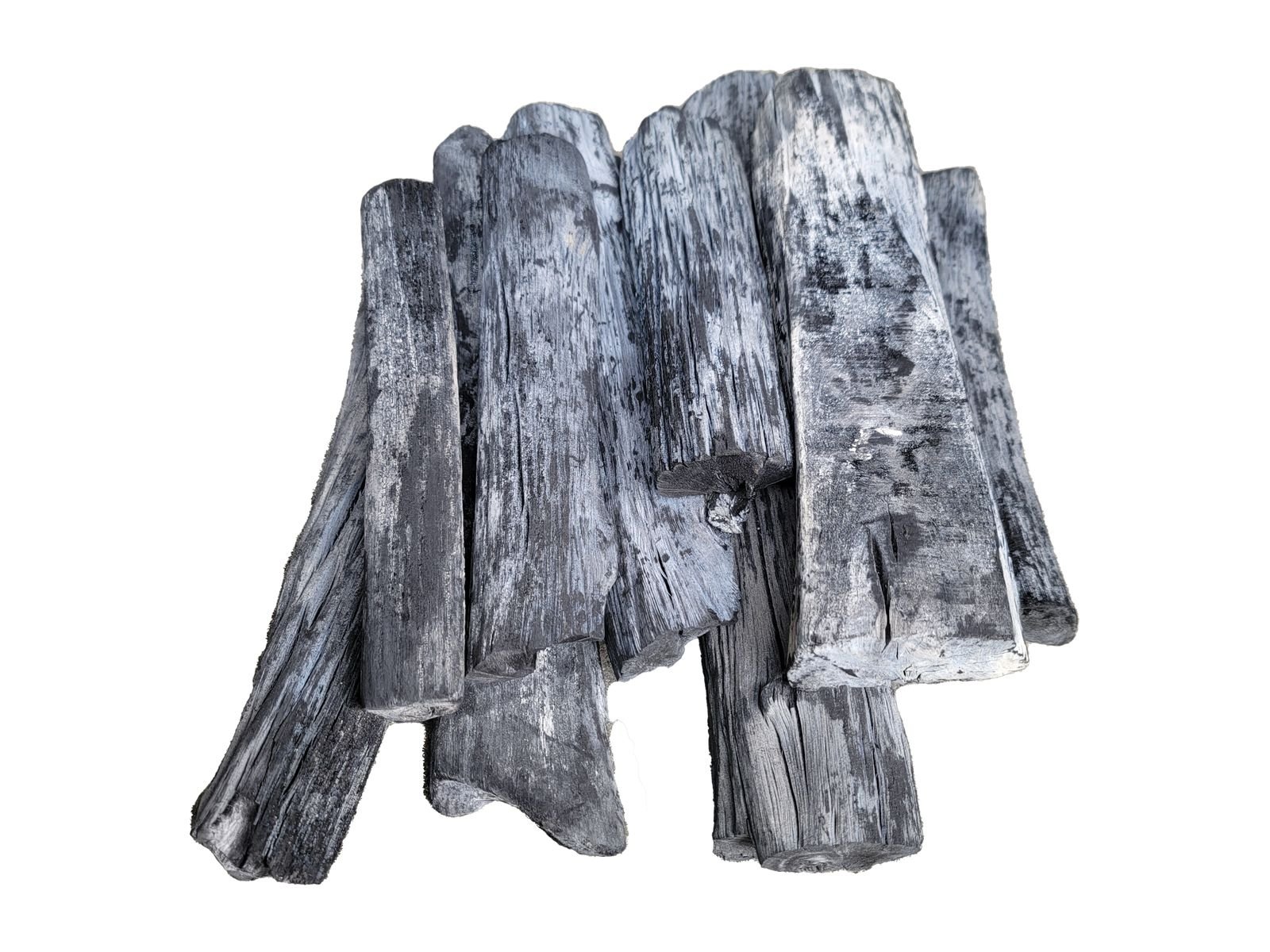
Book a charcoal shipment and sooner or later the words charcoal IMDG UN 1361 appear in your carrier's paperwork. Charcoal can self-heat, so it has a default dangerous-goods classification, yet a passing self-heating test can take a specific lot out of that class. This guide explains UN 1361, IMDG Class 4.2, the self-heating test, and the booking reality that decides whether your box moves as dangerous goods or ordinary cargo.
Key takeaways
- Charcoal is assigned UN 1361, Class 4.2, because it can slowly self-heat under the right conditions.
- The UN self-heating test (Test N.4) determines whether a specific charcoal actually meets the Class 4.2 criteria.
- VUTRUX charcoal is tested by Vinacontrol, and those self-heating tests conclude it is not IMDG Class 4.2.
- Carriers still vary: many book charcoal as UN 1361 dangerous goods by policy even with a passing test.
- Keep the per-lot self-heating test report and MSDS ready, and confirm your carrier's charcoal policy in writing before you book.
Why Charcoal Is Treated as a Self-Heating Cargo
Charcoal is porous carbon with an enormous internal surface area, and under the right conditions it can slowly absorb oxygen and warm itself, a process called self-heating. Packed warm from production, freshly made, or damp inside a sealed steel container in the sun, that slow oxidation is exactly what regulators want to control. This is why charcoal appears in the dangerous-goods framework at all, and why the phrase charcoal IMDG UN 1361 matters to anyone shipping it by sea.
The risk is real but manageable. Properly cooled, dried and cured charcoal, loaded into a clean container, behaves as an inert fuel. The regulations exist to catch the cases that are not handled properly, and to give carriers and ports a consistent way to assess every consignment. The factors that push charcoal toward self-heating are well understood: high residual moisture, warmth still held from production, very fresh material that has not finished curing, and fine dust that exposes more surface area to the air. Control those and the hazard largely falls away, which is why how a supplier cools and cures its charcoal matters as much as the species. For buyers, the practical task is to understand the classification and carry the right evidence, which is what the rest of this guide covers alongside the full import process for charcoal from Vietnam.
UN 1361 and IMDG Class 4.2 Explained
Under the UN system for dangerous goods, charcoal is assigned UN 1361, proper shipping name Carbon, animal or vegetable origin, in Class 4.2, the class for substances liable to spontaneous combustion, which includes self-heating substances. The International Maritime Dangerous Goods (IMDG) Code adopts this classification for transport by sea, based on the UN Model Regulations.
| Attribute | Value |
|---|---|
| UN number | 1361 |
| Proper shipping name | Carbon, animal or vegetable origin |
| Class | 4.2 (self-heating substances) |
| Packing group | II or III, depending on the test result |
| Framework | IMDG Code for sea, based on the UN Model Regulations |
This is the default, on-paper classification for charcoal. It is the starting point, not the final word, because the code also provides a way for a specific charcoal to demonstrate that it does not actually behave as a Class 4.2 substance.
In carrier and port systems, the UN number drives everything downstream, from the dangerous-goods declaration to the stowage plan and any surcharge. That is why establishing the correct treatment for your material early, rather than at the terminal gate, saves both cost and argument later.
Need this grade by the container?
Tell us your market, volume and target spec — we reply within one business day with a quote and a sample offer.

The Self-Heating Test (UN Test N.4)
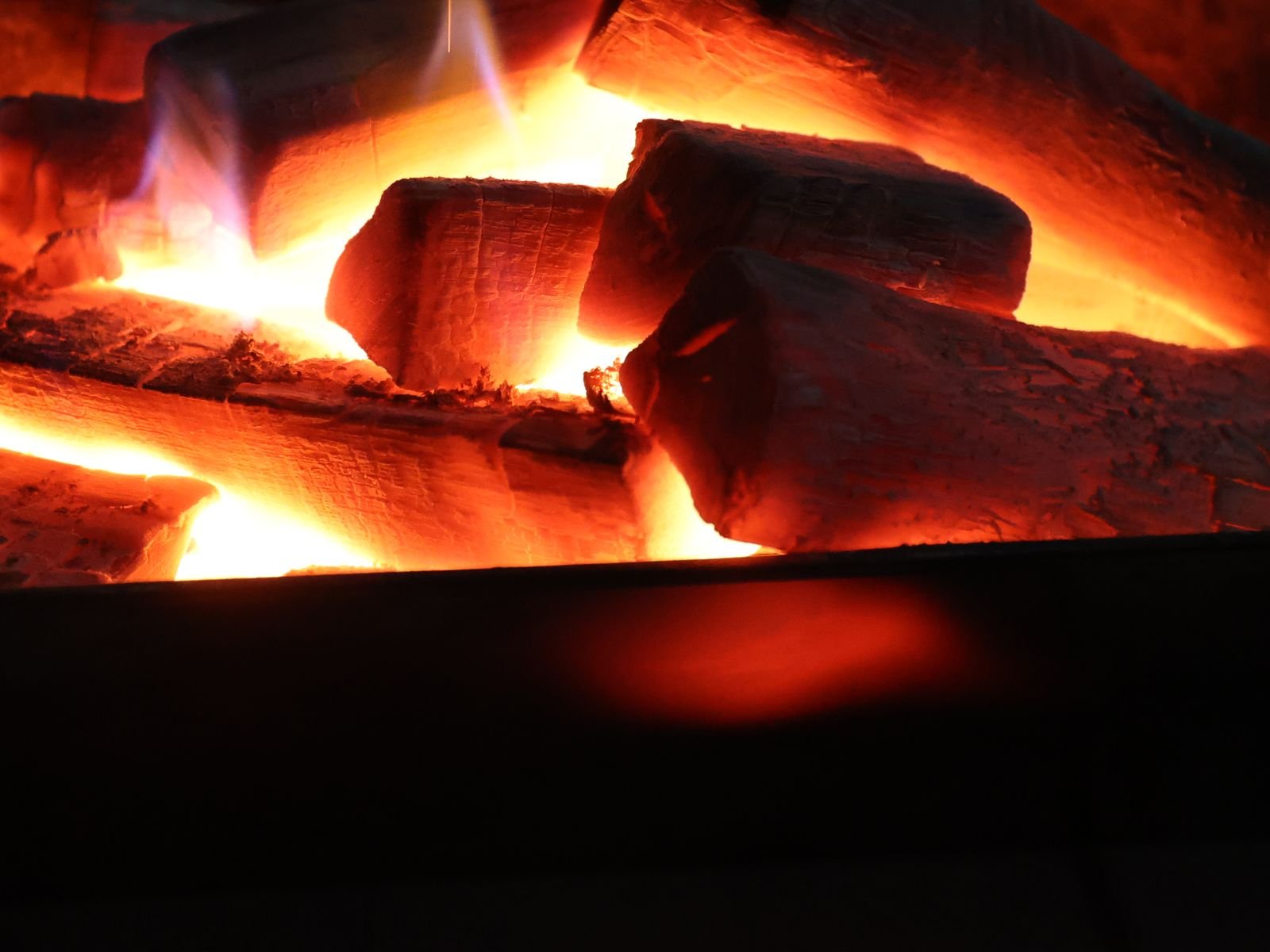
The default classification is not the end of the story. The UN Manual of Tests and Criteria sets out Test N.4, the self-heating test, in which a cube of the substance is held in a heated oven and monitored to see whether it self-heats beyond defined limits. If a given charcoal does not self-heat under those conditions, it does not meet the Class 4.2 criteria, and a special provision in the IMDG Code allows such material to be shipped as non-dangerous cargo.
VUTRUX has its charcoal tested by Vinacontrol, an independent inspection body, and those self-heating tests conclude that the product is not IMDG Class 4.2. Because charcoal is a natural product that varies between production runs, the meaningful evidence is a test result tied to the material you are buying, ideally supported per lot. You can cross-check that a report matches your shipment the same way you would verify quality figures in our guide to reading a charcoal COA: look for a named lab, a clear method and a link to the specific lot.
The Booking Reality with Carriers
Here is where the paperwork meets the shipping line. Even with a passing self-heating test in hand, many carriers apply a blanket policy and will only book charcoal as UN 1361, Class 4.2 dangerous goods. Their reasoning is risk management across thousands of shippers they cannot individually verify, and the policy varies from line to line and route to route.
Booked as dangerous goods, a shipment needs a Dangerous Goods declaration, may attract a DG surcharge, and can face stowage and vessel-acceptance conditions that affect timing and cost. Some carriers will accept the exemption on the strength of a valid self-heating test report; others will not, regardless of the report. Neither position is wrong, but the difference changes your cost and schedule, so it is a question to settle early rather than discover at the terminal.
Practical rule: confirm the carrier's charcoal policy in writing before you fix a sailing, and keep the self-heating test report and MSDS ready either way.
It also helps to give the line what it needs to say yes. A clear self-heating test report from a recognised body, a matching MSDS and a straightforward, accurate description of the goods make it far easier for a carrier to accept a non-dangerous booking where its own policy allows one.
Documents to Keep Per Shipment
Whether your charcoal ships as dangerous goods or ordinary cargo, the same small file protects you. Assemble it once and reuse the pattern for every order.
- Self-heating test report from an independent body, ideally tied to the lot.
- MSDS or SDS for the product, which your forwarder and carrier will ask for.
- Dangerous Goods declaration if the carrier books the consignment as UN 1361.
- Certificate of Analysis per lot for quality, which also demonstrates a controlled, documented product.
- Standard commercial documents: invoice, packing list and Bill of Lading.
Store this file where your forwarder and customs broker can reach it quickly. When a booking or clearance query lands, being able to send the self-heating test report and MSDS within minutes is often the difference between a container that sails on schedule and one that misses its vessel and waits a week for the next.
Whether you ship ogatan briquettes or hardwood lump, the same UN 1361 questions apply, because the classification follows the material rather than the shape. VUTRUX supplies the self-heating test report and MSDS so your forwarder can present the exemption where the carrier accepts it.
A Checklist for a Smooth Booking
Bring these steps to every charcoal booking and dangerous-goods surprises largely disappear.
- Ask the supplier for a per-lot self-heating test report and MSDS up front.
- Confirm the carrier's charcoal policy in writing before fixing the sailing.
- Decide, with your forwarder, whether the box moves as DG or as non-dangerous cargo.
- Budget a possible DG surcharge and any special stowage cost if it applies.
- Load the charcoal cool and dry, never warm from production, into a clean container.
- Keep the full document file with the shipment so clearance is never waiting on paper.
Freight lanes, carrier policies and surcharges shift constantly, so we quote to your route and volume rather than publish fixed prices. Send your details and request a quote, and we will include the self-heating test evidence with your shipment.
Frequently asked questions
Is charcoal a dangerous good for sea freight?
By default, charcoal is classified as UN 1361, Class 4.2, because it can self-heat. However, charcoal that passes the UN self-heating test (Test N.4) does not meet the Class 4.2 criteria and may ship as non-dangerous cargo. In practice, whether your shipment moves as dangerous goods depends on the individual carrier's policy.
What is UN 1361?
UN 1361 is the UN number for Carbon of animal or vegetable origin, which includes charcoal, classified in Class 4.2 (self-heating substances). It is the default dangerous-goods entry for charcoal under the IMDG Code for sea transport, with packing group II or III depending on how the material tests.
Does binchotan or ogatan need a self-heating test?
Both are charcoal, so the same UN 1361 classification and self-heating test apply regardless of shape. A per-lot self-heating test report is the evidence that supports non-dangerous handling. VUTRUX has its charcoal tested by Vinacontrol, with results concluding the product is not IMDG Class 4.2.
Why does my carrier still class charcoal as Class 4.2 if it passed the test?
Many carriers apply a blanket policy and book all charcoal as UN 1361 dangerous goods for risk management, even when a valid self-heating test shows it does not meet the Class 4.2 criteria. Policies differ by line and route, so confirm your carrier's stance in writing before booking and keep the test report ready.
What documents prove charcoal is safe to ship?
The core evidence is an independent self-heating test report tied to the lot, supported by an MSDS and a per-lot Certificate of Analysis. If the carrier books the shipment as dangerous goods, a Dangerous Goods declaration is added. Keep this file with the standard invoice, packing list and Bill of Lading.