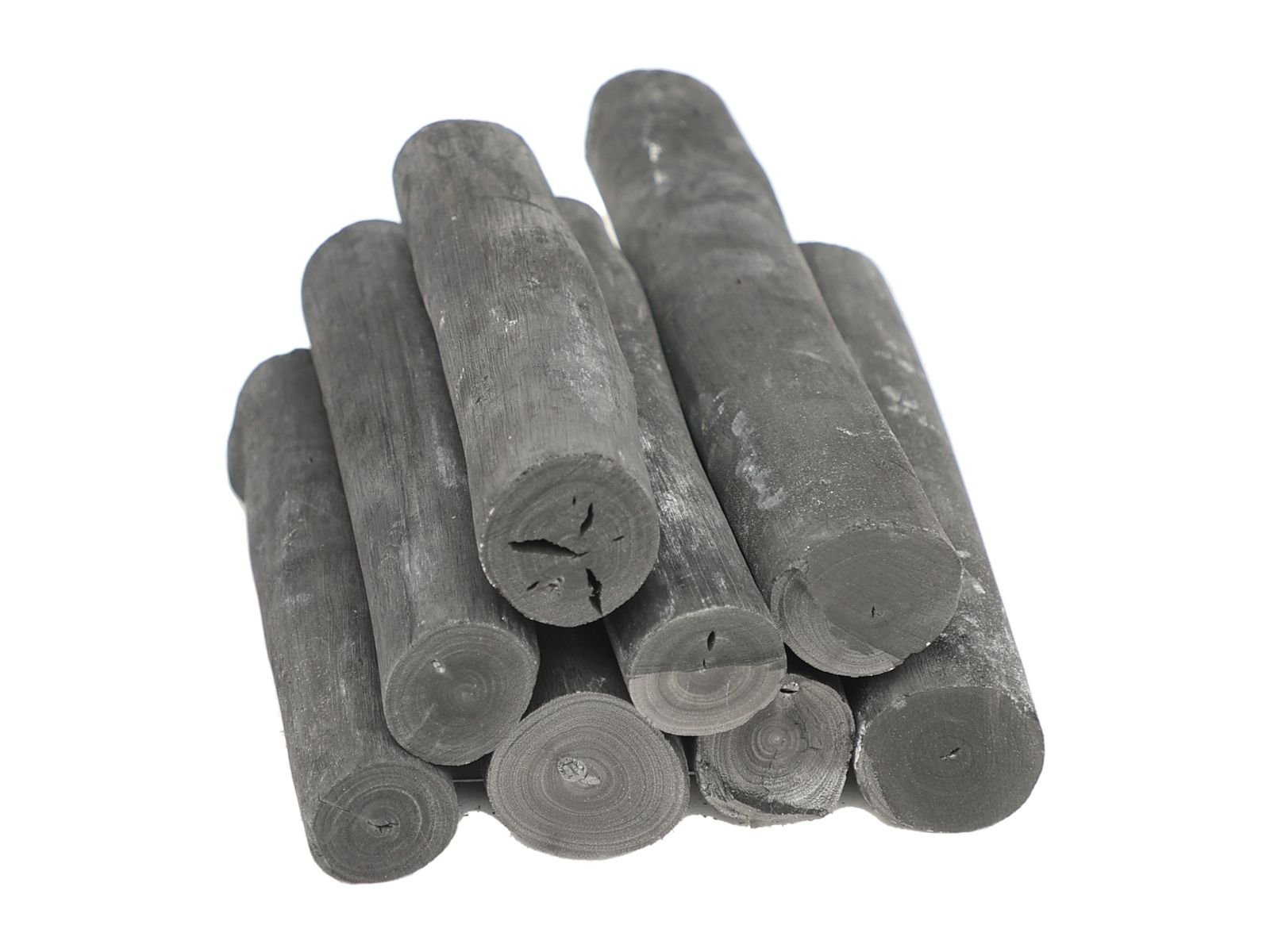
For an importer chasing steady margins across the Gulf, the right charcoal supplier for the Middle East is one that understands the region's grilling habits, its sharp seasonal peaks and its conformity paperwork. From mangal-grilled kebabs and shawarma to five-star hotel steakhouses in Dubai and Riyadh, demand is large, quality-sensitive and heavily shaped by Ramadan. Here is what to expect on grades, timing, compliance and shipping when sourcing from Vietnam.
Key takeaways
- Gulf demand centres on high-heat hardwood lump for mangal and kebab houses, with binchotan for premium hotels and steakhouses and ogatan for long-burning hospitality volume.
- Ramadan is the defining season: family gatherings and restaurant trade spike, so a charcoal supplier for the Middle East must book production and vessels months ahead.
- Country conformity rules differ; Saudi Arabia uses SABER and SASO, the UAE runs its own conformity scheme, and most GCC states apply a common external tariff, so confirm requirements per destination.
- Jebel Ali is the region's re-export hub, and sample-before-order plus clear Incoterms (FOB, CIF or DDP) and payment terms (T/T or L/C) keep first shipments clean.
How charcoal is used across the Middle East and Gulf
Grilling over live fire is woven into daily life across the Gulf and the wider Levant. The mangal, the open grill used for mashawi, powers a huge trade in shish kebab, kofta, shish tawook, lamb chops and mixed grills, while shawarma houses, Lebanese and Turkish restaurants and hotel buffets all lean on charcoal for flavour and sear. Weekend desert outings, known in parts of the Gulf as kashta, add a strong retail and camping dimension, with families buying bagged charcoal for portable grills.
A quick note on scope: shisha lounges are a large regional category, but they typically burn coconut-shell cubes, which VUTRUX does not produce. Our range serves the grilling and hospitality segment, so a charcoal supplier for the Middle East like VUTRUX focuses on restaurant, hotel and retail grill fuel rather than hookah charcoal. Within that segment, buyers prize intense, fast heat for searing kebabs, a long, steady burn for busy service, and clean handling for indoor hotel kitchens.
Which charcoal grades sell best in the Gulf
The Gulf is a lump-led market, with binchotan at the premium end and ogatan winning on consistency and burn time.
| Segment | Best-selling grade | Why it fits the Gulf |
|---|---|---|
| Mangal, kebab and shawarma houses | Hardwood lump | Lights fast and runs hot for quick, repeated searing across a busy grill line |
| Five-star hotels, steakhouses and fine dining | Binchotan white charcoal | Clean, near-smokeless, long heat that protects premium beef and seafood indoors |
| High-volume hospitality and catering | Ogatan (hexagon or square) | Uniform, long-burning and low-smoke, so kitchens reload less often during long service |
| Supermarket and retail (especially Ramadan) | Bagged lump or ogatan | Consistent consumer packs for family grilling and desert outings |
Because the same buyer often supplies restaurants and retail, many importers carry two or three grades side by side. If you are weighing the trade-offs, our comparison of binchotan versus lump versus briquettes lays out heat, burn time and cost, and our guide to the best charcoal for restaurants helps match grade to venue. VUTRUX produces binchotan from dense eucalyptus, lychee, longan and orange-pomelo hardwoods, plus machine-made ogatan and natural hardwood lump, all in export packing.
Need this grade by the container?
Tell us your market, volume and target spec — we reply within one business day with a quote and a sample offer.
Choosing a charcoal supplier for the Middle East
Vetting matters more in a market with tight seasonal windows and strict conformity checks. A dependable charcoal supplier for the Middle East should offer:
- Volume reliability around peak periods, so a Ramadan order does not slip.
- Per-lot independent-lab COA covering fixed carbon, ash, moisture and volatile matter, plus MSDS for handling and carrier booking.
- Conformity support, including the correct Certificate of Origin and any legalisation or attestation your destination requires.
- Flexible packing, from plain export cartons for HORECA to printed retail bags with Arabic labelling.
- A proven export record. VUTRUX ships FOB Hai Phong to more than 40 markets, so testing, documentation and booking are already established.
Conformity is where Gulf imports differ most from other regions. Saudi Arabia operates the SABER platform with SASO standards and product certificates of conformity under the Saleem programme; the UAE runs its own Emirates conformity scheme; and other GCC states have their own registration and labelling rules. Most GCC members apply a common external tariff on top of local VAT, and some destinations require the Certificate of Origin to be attested by a chamber of commerce or embassy. Requirements change and vary by product, so confirm the current position for each destination with your customs broker before you ship.
Ramadan seasonality and demand planning
Nothing shapes Gulf charcoal demand like the calendar. In the run-up to and through Ramadan, family iftars, majlis gatherings and restaurant trade all surge, and retail shelves need to be stocked well before the month begins. Eid holidays and the cooler winter grilling season add further peaks. Because Ramadan moves earlier each year on the Gregorian calendar, the planning window shifts annually, and importers who order late compete for both factory capacity and vessel space at the worst possible time.
The practical rule is to work backwards from your on-shelf date. Add clearance and inland delivery, then sea transit, then production and consolidation, and finally sampling. For a Ramadan programme that often means placing firm orders several months ahead. Building a standing forecast with your supplier, rather than reacting order by order, is the single most effective way to protect both availability and price through the peak.
Plan Ramadan volume backwards from the shelf date: clearance, then transit, then production, then sampling. Late orders pay in both price and availability.
Ports, shipping via Jebel Ali and how to start
Jebel Ali in Dubai is the logistics heart of the region, the largest port in the Middle East and a major re-export hub into the wider GCC, Africa and South Asia. Many importers clear or tranship there before distributing onward. Other key gateways include Jeddah and Dammam in Saudi Arabia, Hamad Port in Qatar, Khalifa Port in Abu Dhabi, and Sohar and Salalah in Oman. Sea transit from Hai Phong to the Gulf is a mid-length lane, commonly around three to four weeks depending on routing and transshipment, so factor that into seasonal planning.
For container economics, a 20ft load of binchotan is roughly 9.6 tonnes net (about 960 cartons of 10 kg), hexagon ogatan runs near 15 tonnes and square ogatan near 16 tonnes per 20ft; dense lump usually reaches the weight limit before it fills the box. To begin:
- Send your destination country, grade mix, monthly and peak-season volume, and preferred spec.
- Approve a sample against an independent-lab COA.
- Confirm conformity and origin requirements for each destination with your broker.
- Lock the Incoterm (FOB, CIF or DDP), payment terms (T/T or L/C) and shipping schedule.
Planning a Ramadan programme or a year-round supply line? Request a quote with your volumes and target grades, or read our step-by-step guide on how to import charcoal from Vietnam first. We reply within one business day with pricing and a sample offer.
Frequently asked questions
What charcoal is best for mangal and kebab grilling?
Hardwood lump is the Gulf favourite for mangal, kebab and shawarma grilling because it lights fast and delivers the intense, high heat needed to sear meat quickly across a busy grill. Premium hotels and steakhouses often add binchotan for cleaner, longer, near-smokeless heat, while high-volume kitchens use ogatan to reload less often during long service.
Does VUTRUX supply shisha charcoal?
No. Shisha lounges generally use coconut-shell cubes, and VUTRUX does not produce coconut-shell or bamboo charcoal. Our range is binchotan white charcoal, machine-made ogatan and natural hardwood lump, aimed at restaurant, hotel and retail grilling rather than hookah use. If your business spans both, we can supply the grilling side and you can source shisha cubes separately.
What conformity documents are needed to import charcoal into Saudi Arabia or the UAE?
Requirements differ by country. Saudi Arabia typically uses the SABER platform with SASO standards and a product certificate of conformity, while the UAE runs its own Emirates conformity scheme; both also expect a valid Certificate of Origin, and some destinations require attestation. A phytosanitary certificate and MSDS should travel with the goods. Confirm the current, product-specific rules for each destination with your customs broker.
When should I order charcoal for Ramadan?
Order early. Work backwards from your on-shelf date through clearance, sea transit of roughly three to four weeks, production and consolidation, and sampling. In practice that usually means placing firm orders several months before Ramadan, since Ramadan shifts earlier each year and late buyers compete for both factory capacity and vessel space.
How does charcoal ship from Vietnam to the Gulf, and how long does it take?
Most cargo sails from Hai Phong to Gulf gateways such as Jebel Ali, Jeddah, Dammam or Hamad Port, often via a transshipment hub. Transit is commonly around three to four weeks depending on routing. Jebel Ali is widely used for clearance and onward re-export across the GCC, so many importers consolidate there before inland distribution.