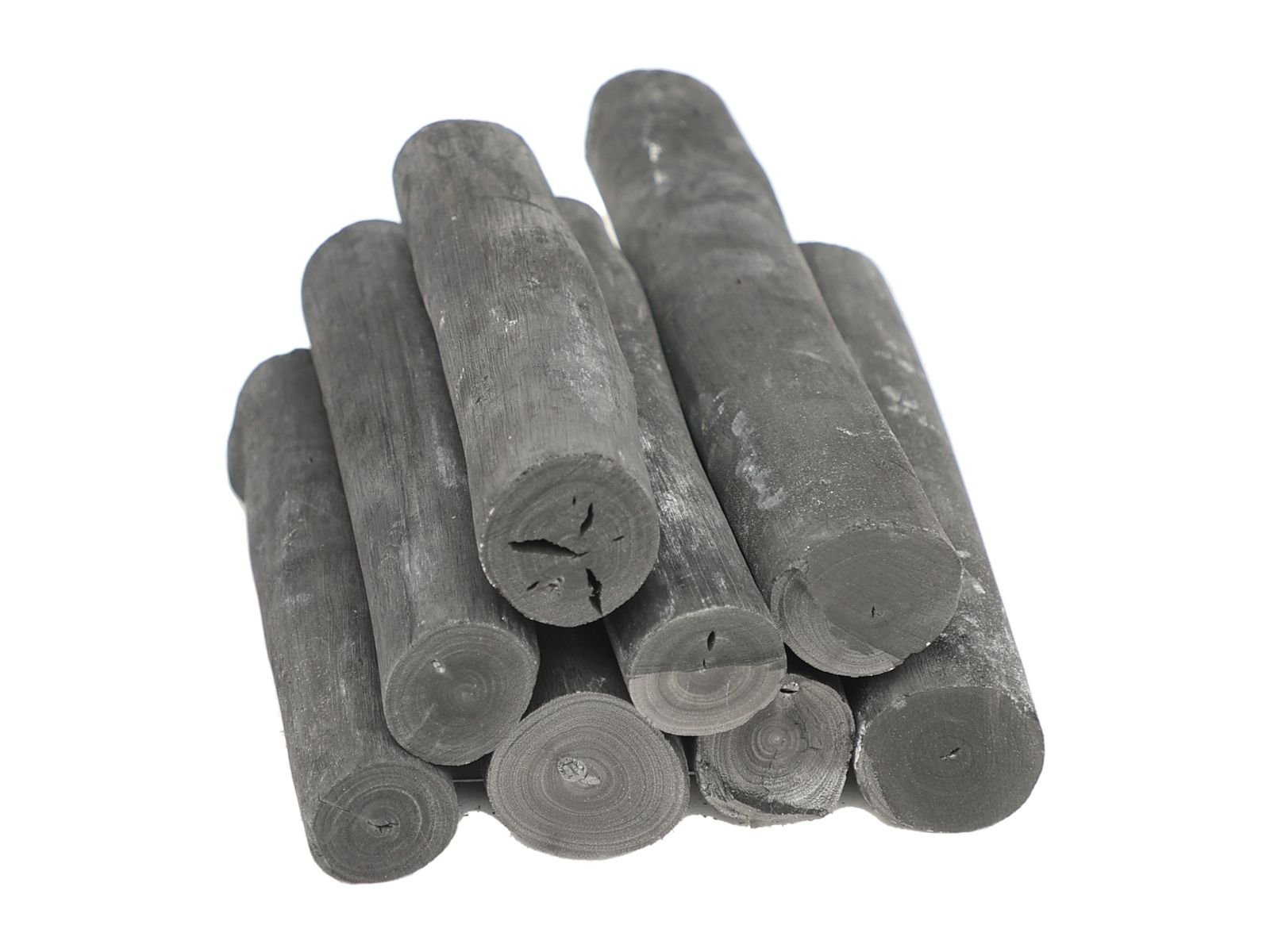
A charcoal supplier for the USA has to satisfy some of the most varied buyers in the world: top-tier yakitori and omakase counters in New York and Los Angeles, steakhouses, a huge community of kamado and ceramic-grill enthusiasts, and national retailers. It also has to clear US customs cleanly, which means the Lacey Act, an ISF filing and the right classification. Here is how US importers should approach grades, compliance and logistics when buying charcoal from Vietnam.
Key takeaways
- US demand spans premium binchotan for Japanese restaurants and clean hardwood lump for kamado grills, steakhouses and retail.
- Wood charcoal generally enters the US duty-free under HTS heading 4402, but you still need an importer of record, a customs bond and an ISF filing.
- The Lacey Act covers charcoal as a plant product, and an import declaration naming species and country of harvest may be required, a US-specific step.
- West Coast ports (Los Angeles and Long Beach) give the fastest transpacific transit from Hai Phong; East and Gulf coasts serve those regions.
- Sample against an independent-lab COA, and for California retail plan for Proposition 65 labelling.
US charcoal demand: from omakase counters to the backyard
No single grade wins in the United States, because no single style of grilling dominates. On one end sit the country's fast-growing Japanese restaurants, the yakitori bars, robata counters and omakase rooms of New York, Los Angeles, San Francisco and Chicago, where chefs prize binchotan for its long, clean, radiant heat. On the other end is a vast home market: a devoted community of kamado and ceramic-grill owners who want premium hardwood lump, steakhouses chasing a hard sear, and national retailers stocking the barbecue aisle. A capable charcoal supplier for the USA has to speak to all of them.
American buyers also expect proof, not promises. Restaurant groups and retail chains ask for lab data, consistent sizing and a supply that will not drift from lot to lot once they have built a menu or a private-label item around it.
VUTRUX ships premium binchotan, hardwood lump and ogatan briquettes FOB Hai Phong to more than 40 markets, with per-lot independent-lab COA. To understand why binchotan commands a premium with US chefs, see our primer on what binchotan white charcoal is.
The home side of the market is larger than many exporters realise. Ceramic kamado grills have a passionate following that treats lump charcoal as seriously as chefs do, prizing low ash, big pieces and a clean burn. Layer on the classic American barbecue belt and a national retail season, and the US can absorb both premium restaurant grades and high-volume consumer packs at once.
The US binchotan boom started in restaurants, but it did not stay there. Serious home grillers now ask for the same white charcoal their favourite yakitori counter uses.
Grades US buyers import
Match the grade to the buyer and the stock moves. These are the families that fit US channels best.
| Grade | Who buys it | Why |
|---|---|---|
| Binchotan (cut sticks, round, split) | Yakitori, robata and omakase restaurants | Long, smokeless, high radiant heat with very low ash |
| Hardwood lump | Kamado owners, steak houses, premium retail | Fast lighting, high heat and a clean, natural flavour |
| Ogatan briquettes (hexagon and square) | High-volume kitchens and retail multipacks | Uniform shape and a long, predictable burn |
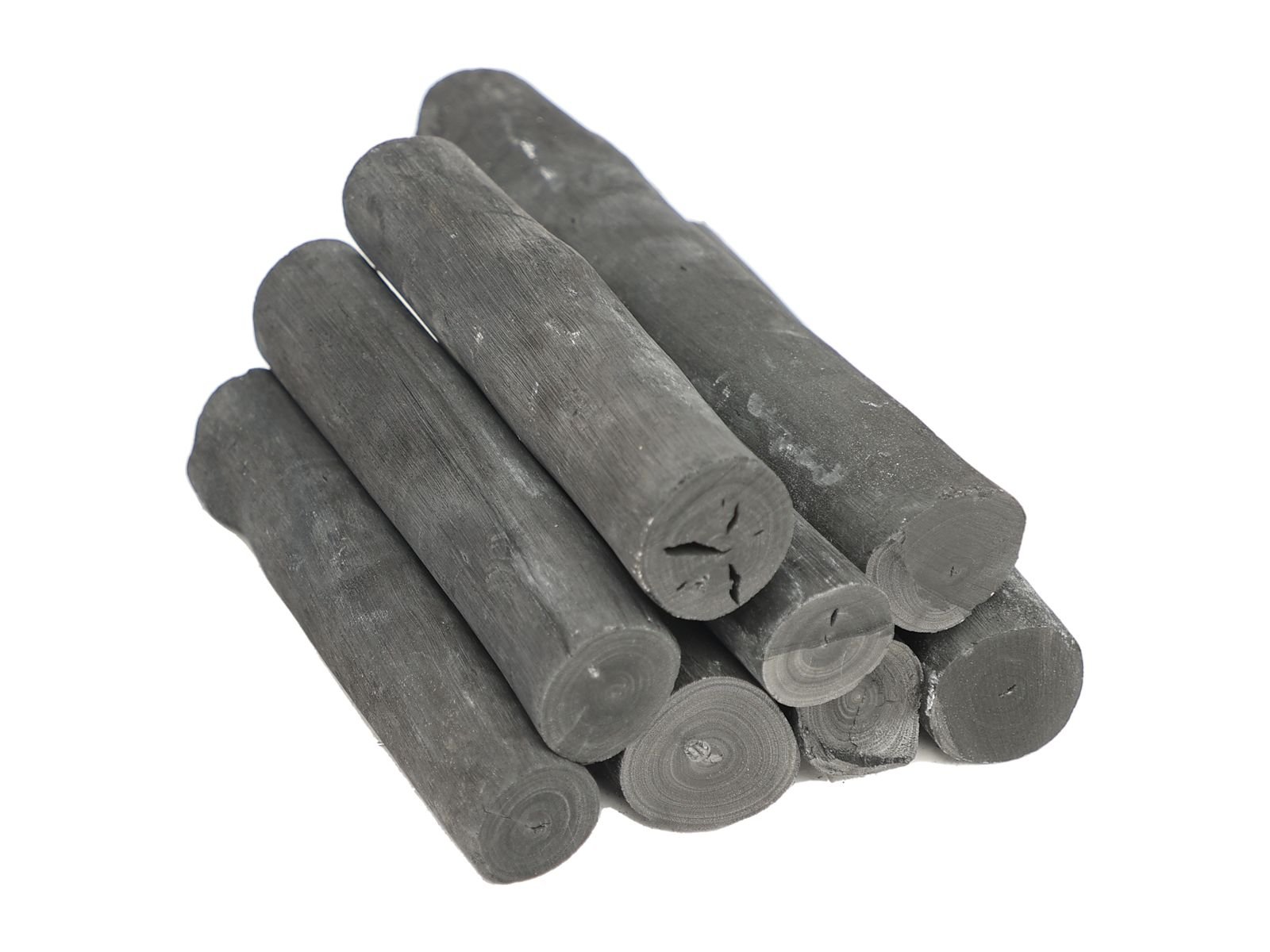
VUTRUX binchotan is made from dense hardwoods and fruitwoods, eucalyptus, lychee, longan and orange-pomelo, in grades A and B, round or split, in sizes from roughly 80 to 200 mm, packed in 10 kg cartons. Independent-lab testing typically shows fixed carbon around 95 percent for binchotan and about 94 percent for ogatan, ash near 3 percent and calorific value around 8,300 kcal per kg. Those numbers matter to US buyers building a spec, so learn to read them in our guide to reading a charcoal COA.
Need this grade by the container?
Tell us your market, volume and target spec — we reply within one business day with a quote and a sample offer.

US import compliance: CBP, ISF, the Lacey Act and duties
US import rules are their own world, and they trip up buyers who assume Vietnamese or EU experience carries over. Build these into your plan from the first order.
- Importer of record and customs bond: you or your broker act as importer of record and post a customs bond with US Customs and Border Protection (CBP).
- ISF 10+2: the Importer Security Filing must be submitted to CBP at least 24 hours before the cargo is loaded at Hai Phong. Late or missing filings draw penalties.
- Lacey Act: charcoal is a plant product, so the Lacey Act applies, and APHIS has been phasing in an import declaration (naming the wood species and country of harvest) for products under HTS Chapter 44. Confirm with your broker whether a declaration is currently required for your commodity code; either way, accurate species and origin data from your supplier is essential.
- Duty and classification: wood charcoal generally falls under HTS heading 4402 and enters duty-free at the standard rate, but confirm the exact subheading and any other-agency requirements with your broker.
- California Proposition 65: for product sold at retail into California, plan compliant warning labelling.
On safety documentation, VUTRUX supplies MSDS and per-lot COA, and its Vinacontrol self-heating tests conclude the charcoal is not IMDG Class 4.2, though carriers may still book it as UN 1361, which your forwarder handles on the ocean leg.
Because several federal agencies can touch a wood-product import, it pays to work with a customs broker who has handled charcoal before. Getting the classification, the security filing and any plant-product declaration right the first time avoids holds at the port, which are costly whether the cause is a missing data field or an inconsistent species description.
Ports, transit and container planning
Because most Vietnamese charcoal crosses the Pacific, port choice shapes both transit time and inland cost. Pick the coast closest to your customers.
| Port | Best for |
|---|---|
| Los Angeles / Long Beach | Fastest transpacific transit from Hai Phong; the West Coast and inland rail |
| New York / New Jersey | The Northeast and its dense restaurant market |
| Savannah | The Southeast and efficient inland distribution |
| Houston | Texas and the Gulf region |
As a planning rule, West Coast arrivals from Hai Phong are the quickest, while East and Gulf coast routings run longer and may transship. Allow production and consolidation before sailing, plus a buffer for customs, ISF timing and any Lacey Act review on arrival. Our end-to-end guide on how to import charcoal from Vietnam maps the sequence from enquiry to delivery.
For loading, a 1x20ft of binchotan is about 9.6 MT net (960 x 10 kg cartons), and ogatan loads roughly 15 MT (hexagon) to 16 MT (square) per 20ft. Dense lump tends to weight out before it fills the cube, so confirm carton count and net weight per grade before booking to capture full-container economics.
Inland cost is the hidden half of US logistics. A container that lands on the West Coast but serves East Coast customers can lose its ocean-freight advantage to rail and trucking, so match the port to where the demand actually sits rather than to the shortest sea leg alone.
Choosing a charcoal supplier for the USA
Choosing a charcoal supplier for the USA is ultimately about reliability at scale: a consistent grade, complete customs data and a source that can keep pace as your restaurant or retail program grows.
- Require per-lot independent-lab COA and accurate species and origin data for the Lacey Act.
- Confirm your broker has ISF, the customs bond and HTS classification handled before loading.
- Approve a sample against the COA before committing a container.
- Agree the Incoterm (FOB Hai Phong, CIF or DDP) and payment (T/T or L/C).
- For California retail, confirm Proposition 65 labelling.
VUTRUX replies within one business day with pricing and a sample offer. Share your target grade, monthly volume and destination port, and request a quote to compare a traceable Vietnamese source with your current supply.
Frequently asked questions
Is there an import duty on charcoal entering the USA?
Wood charcoal generally falls under HTS heading 4402 and enters at a duty-free standard rate, which makes it attractive to import. Rates and requirements can change and depend on the exact subheading, so always confirm the current classification and any other-agency conditions with your customs broker before you order.
Does the Lacey Act apply to imported charcoal?
Charcoal is a plant product, so the Lacey Act's prohibitions on illegally sourced plant material apply. APHIS has been phasing in an import declaration requirement for products under HTS Chapter 44 that names the wood species and country of harvest. Confirm whether a declaration is currently required for your code, and make sure your supplier can provide accurate species and origin data.
What is an ISF filing and when is it due?
The Importer Security Filing, often called ISF 10+2, is data that the importer must submit to CBP at least 24 hours before the cargo is loaded onto the vessel at Hai Phong. Filing late or incompletely can trigger penalties and holds, so coordinate the details with your forwarder and supplier well before the cut-off.
Which US port is best for importing Vietnamese charcoal?
Los Angeles and Long Beach usually offer the fastest transpacific transit from Hai Phong and strong inland rail connections, which suits West Coast and central buyers. New York and New Jersey serve the Northeast, Savannah the Southeast, and Houston the Gulf and Texas. Choose the coast closest to your customers to cut inland cost.
Do you ship less than a full container for a first US order?
We start with a sample so you can verify quality before committing volume, and we can discuss trial quantities and shared-container options for a first order. A full 20ft of binchotan is about 9.6 MT net, while ogatan runs around 15 to 16 MT per 20ft once you are ready to scale.