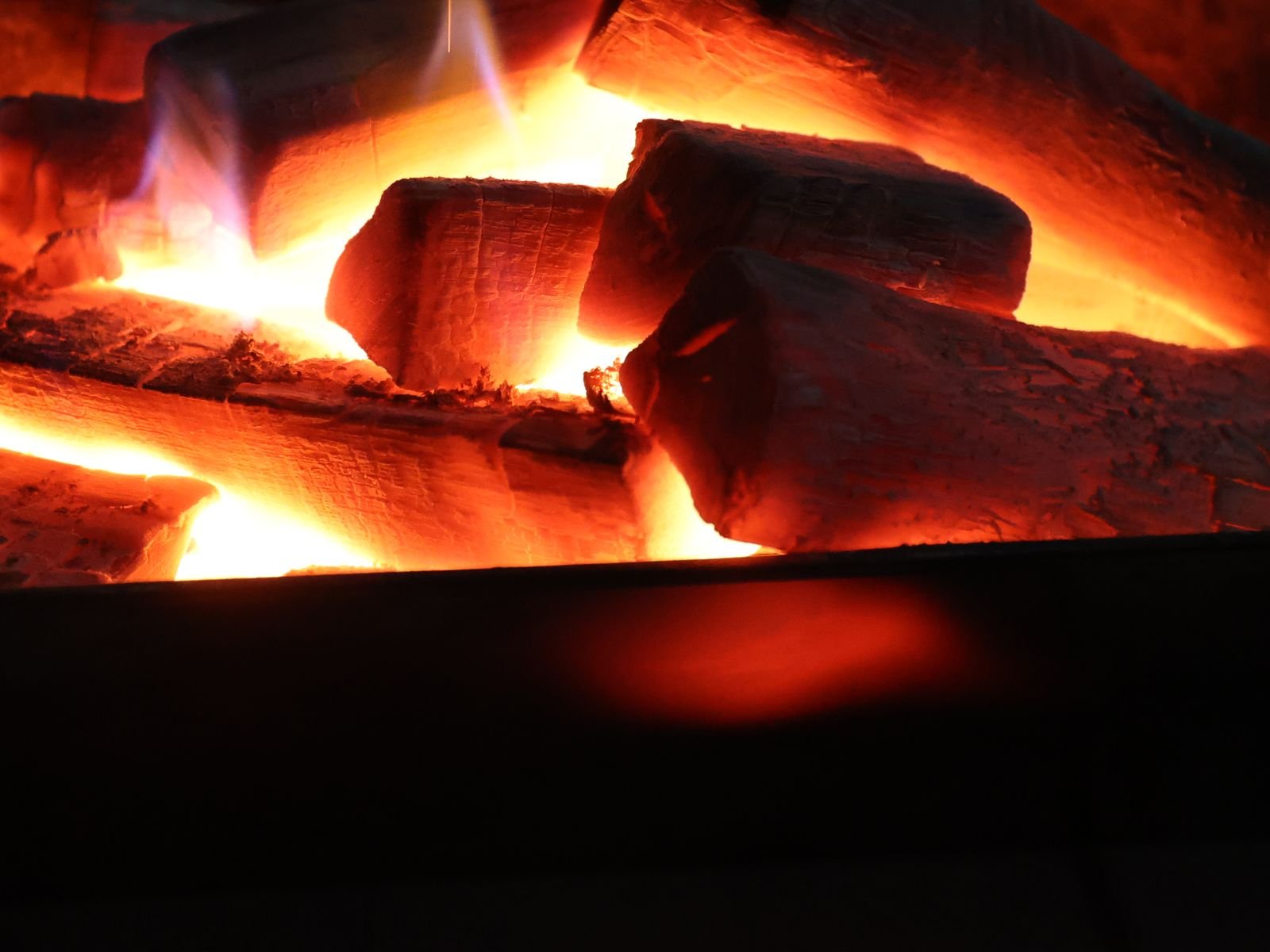
Understanding charcoal sizes and grades is the difference between a lot that performs on the grill and one that disappoints your customers. Size and grade quietly decide burn time, heat stability, ash, packing efficiency and price. This practical buyer's guide explains how VUTRUX grades binchotan, ogatan and hardwood lump, and how to match the right size and grade to your market instead of paying for specifications you do not need.
Key takeaways
- Grade reflects density, hardness and uniformity; size reflects piece length and diameter - both change how charcoal burns and what it costs.
- Larger, denser, higher-grade pieces burn longer and more steadily but cost more per kilogram.
- Binchotan is graded A and B and offered round or split at roughly 80-200 mm; ogatan is uniform by design in hexagon or square.
- The cheapest grade rarely wins - judge on cost per service, not price per carton.
- Always approve a sample against a per-lot COA so the grade you order is the grade you receive.
What charcoal sizes and grades actually mean
The single word charcoal hides two separate variables that every buyer should read independently: grade and size. Grade describes the intrinsic quality of the material - its density, hardness, fixed-carbon content and how uniform the pieces are. Size describes the physical dimensions of each piece, usually length and diameter. Together, charcoal sizes and grades determine how a fuel lights, how long it holds heat, how much ash it drops and, ultimately, what it should cost.
Grade is set in the kiln. A denser billet of wood carbonised slowly at high temperature yields a harder, heavier char with more fixed carbon and lower ash. That is why a premium grade rings almost like ceramic and sinks rather than floats. Size, by contrast, is set by selection and cutting after carbonisation: longer, thicker pieces carry more mass and therefore more stored energy per piece.
Neither variable is better in the abstract. A retail shelf pack and a robata counter need different combinations. The skill in buying is reading both numbers on a specification sheet and matching them to how the charcoal will actually be used.
Getting this wrong is expensive in both directions. Over-specify - buy top grade and large size for a job that does not need it - and you erode margin on fuel your customers will not pay a premium for. Under-specify, and you field complaints about charcoal that burns out too fast or arrives full of fines. Reading grade and size as two separate levers is what lets you buy exactly the performance a given market will pay for.
How VUTRUX grades binchotan: A, B, round and split
VUTRUX binchotan is white charcoal made from dense hardwoods and fruitwoods - eucalyptus (bạch đàn), lychee and longan (vải/nhãn) and orange–pomelo mai tieu (cam bưởi). Each species is carbonised at high temperature and quenched, producing the hard, high-carbon piece that defines binchotan. For the full definition of the category, see our overview of what binchotan white charcoal is.
Binchotan is offered in two grades and two cuts:
- Grade A - the densest, most uniform pieces with the cleanest surface and the longest, steadiest burn. This is the grade for premium retail and specialist grilling.
- Grade B - sound, high-carbon charcoal with slightly more variation in shape and colour. It performs strongly at a friendlier price and suits busy kitchens and value retail.
- Round pieces keep the natural branch profile, while split pieces are halved so they light a little faster and pack densely.
Typical piece sizes run from roughly 80 mm to 200 mm in length, packed in 10 kg cartons. Fruitwood grades such as lychee and longan are especially prized for a clean, neutral heat, while eucalyptus offers excellent density and value.
Need this grade by the container?
Tell us your market, volume and target spec — we reply within one business day with a quote and a sample offer.

Ogatan and lump: uniform shapes versus natural variation
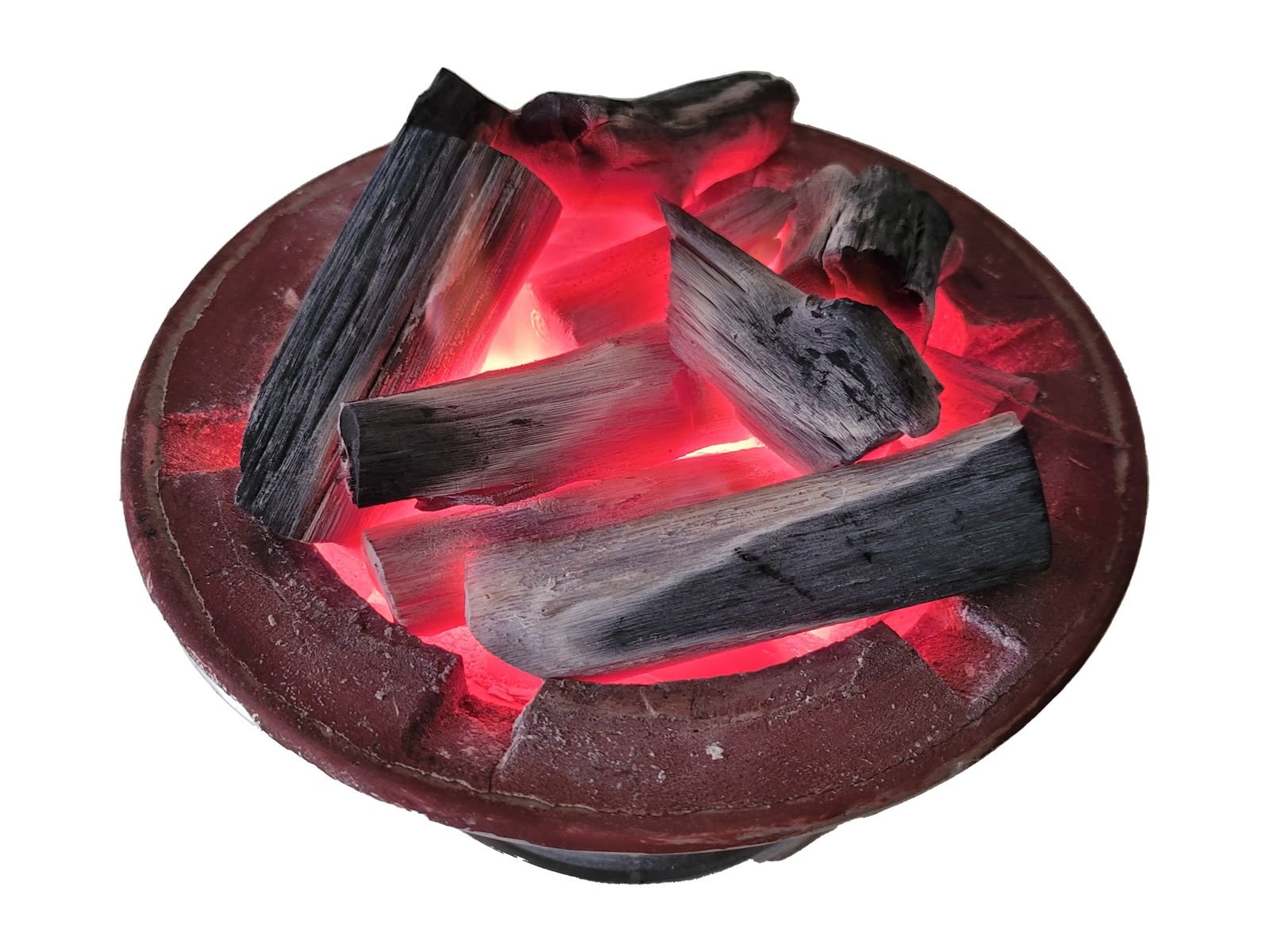
Not all VUTRUX charcoal is graded the same way, because not all of it is natural lump. Ogatan - machine-extruded sawdust charcoal - is uniform by design. Every piece is pressed to the same density and cross-section, so grade is effectively built into the process rather than sorted afterwards. It comes in two profiles: hexagon with a hollow core that lights faster and burns very evenly, and square, solid and dense for the longest steady burn. Our ogatan wholesale guide covers both profiles in depth.
Hardwood lump charcoal sits at the other end of the spectrum. Because it is natural wood carbonised into irregular chunks, size and density vary within any bag, from fines to fist-sized pieces. That variation is not a defect; it is the nature of lump. But it means grade and size are ranges rather than fixed figures, so a representative sample and a per-lot COA matter even more.
The practical point for buyers: if you need identical performance carton after carton, a machine-made grade like ogatan removes guesswork, whereas lump trades some consistency for natural character and a lower price.
When you compare quotations, make sure you are comparing like with like. A low headline price often reflects a smaller size, a lower grade, or a higher proportion of fines and breakage in the carton. Ask each supplier to state grade, size range and the expected percentage of fines, then confirm those figures against the sample and the COA rather than trusting the price alone.
How charcoal sizes and grades affect burn, price and use
Once you can read grade and size separately, the trade-offs become clear. Higher grade and larger size both push burn time and heat stability up - and both push price per kilogram up too. The table below summarises how charcoal sizes and grades translate into real behaviour on the grill.
| Factor | Higher grade / larger pieces | Lower grade / smaller pieces |
|---|---|---|
| Burn time | Longest, most consistent | Shorter, needs more topping up |
| Heat stability | Very steady radiant heat | Hotter and faster, less even |
| Ash produced | Very low | Low to moderate |
| Lighting speed | Slower - use a chimney | Faster to catch |
| Price per kg | Higher | Lower |
| Best fit | Premium retail, specialist grills | High-volume and value lines |
The lesson buyers relearn again and again is that the cheapest grade rarely wins on cost per service. A larger Grade A piece that burns for hours with minimal ash can be cheaper per hour of cooking than a small, light piece you replace twice as often, once you count waste and staff time. Judge charcoal sizes and grades on delivered performance, not on the headline price of a single carton.
Density is the hidden third variable behind both size and grade. Two pieces of identical length can differ sharply in weight, and the heavier one stores more energy and burns longer. This is why binchotan, which sinks in water, outperforms lighter charcoals of the same dimensions, and why weight per carton is a more honest guide to value than piece count.
Matching charcoal sizes and grades to your business
Retailers and distributors
Offer a tiered range rather than one line. A Grade A binchotan anchors quality and margin, a Grade B or split cut covers everyday buyers, and an ogatan line adds a consistent, sustainably positioned option. Print the size and grade clearly on the pack so customers self-select and returns fall.
Restaurants and grills
Match the piece to the cooking. Yakitori and robata counters want long, uniform Grade A pieces or hexagon ogatan for stable radiant heat, while high-turnover barbecue can run a value grade or lump for fast searing. Our guide to the best charcoal for restaurants maps grades to cuisines in more detail.
Importers and wholesalers
Standardise on lab-verified specifications so repeat lots stay identical, and blend sizes and grades in one container to serve several customer types at once. Whatever you buy, approve a sample against a per-lot Certificate of Analysis first. Tell us your market, target grade and volume and request a quote to compare options side by side.
Frequently asked questions
What is the difference between charcoal grade and charcoal size?
Grade describes the quality of the material - its density, hardness, fixed-carbon content and uniformity - which is largely set during carbonisation. Size describes the physical dimensions of each piece, usually length and diameter. Grade tells you how well a piece burns; size tells you how much of that performance each piece delivers.
Is Grade A charcoal always better than Grade B?
Not for every job. Grade A is denser and more uniform, giving the longest, cleanest burn, which suits premium retail and specialist grilling. Grade B is still high-carbon and performs strongly at a lower price, making it a smart choice for busy kitchens and value lines. Match the grade to the use and the price point.
What size binchotan should a restaurant buy?
Most restaurant grills work well with pieces in the roughly 80-200 mm range, choosing longer, uniform pieces for steady radiant heat on yakitori and robata counters. The best approach is to order a sample in the sizes you are considering and test them on your own equipment before committing.
Do larger charcoal pieces burn longer?
Generally yes. A larger, denser piece carries more mass and therefore more stored energy, so it holds heat longer and needs topping up less often than small pieces of the same grade. Density matters as much as size, which is why a heavy binchotan stick outlasts a light, porous piece of similar length.
Can I mix charcoal sizes and grades in one order?
Yes. Many importers and distributors blend grades and sizes within a single container to serve several customer types from one shipment. VUTRUX can pack a tiered range to your specification; request a quote with your target mix and we will confirm loading and terms.