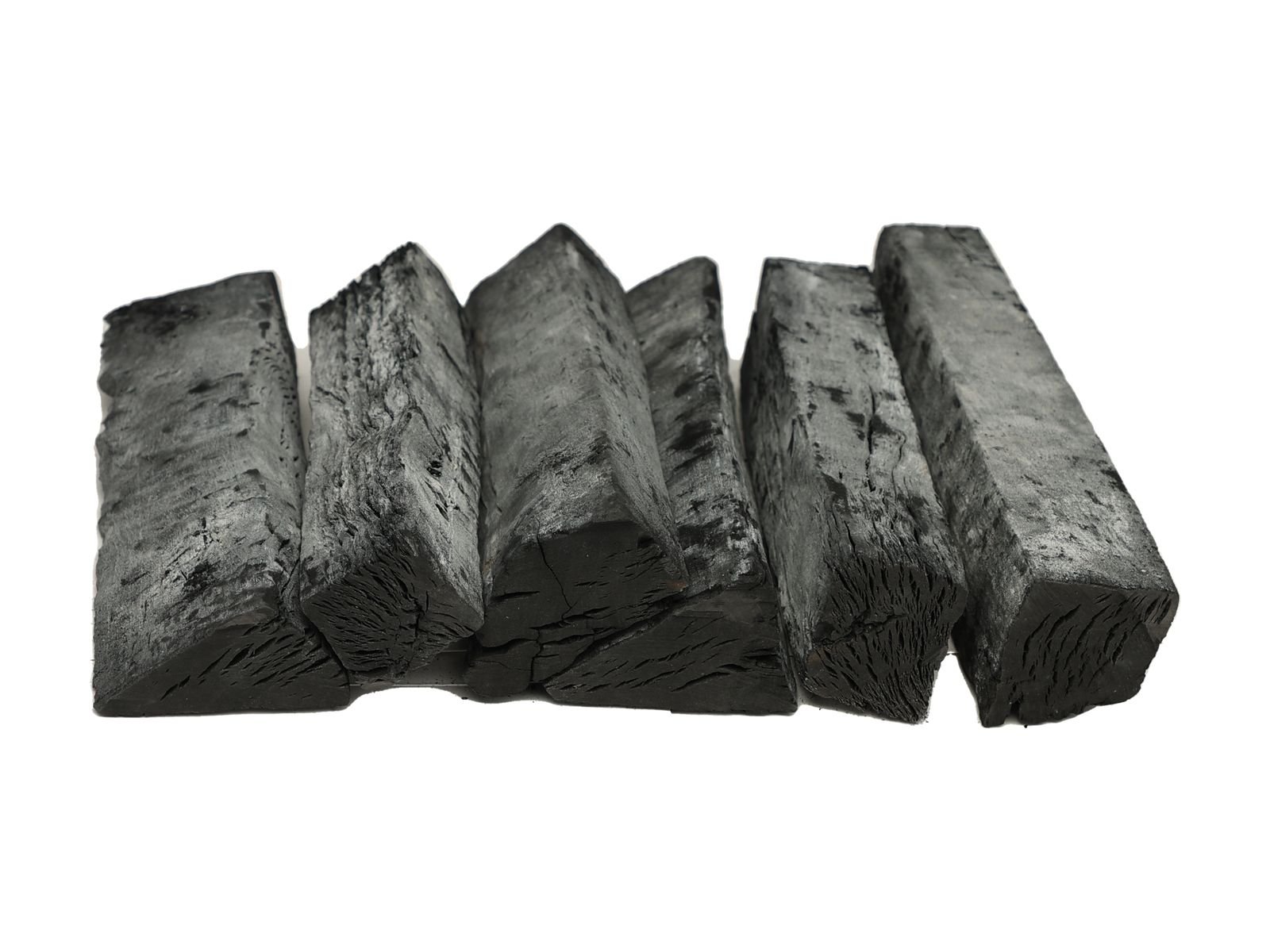
A charcoal supplier for Canada has to solve two puzzles at once: a short but intense summer grilling season with a multicultural, year-round restaurant trade, and a logistics map that often reaches across the United States border. From kamado enthusiasts and Korean BBQ houses to Brazilian churrascarias and Japanese yakitori counters in Toronto, Vancouver and Montreal, demand is diverse and quality-driven. Here is what to expect on grades, CPTPP duty, bilingual labelling and cross-border freight when sourcing from Vietnam.
Key takeaways
- Canadian demand is led by natural hardwood lump for kamado and enthusiast grilling, with binchotan for Japanese and steakhouse fine dining and ogatan for long-burning value.
- Because Vietnam and Canada are both CPTPP members, Vietnamese charcoal may qualify for preferential duty with a valid origin declaration; confirm the tariff line with your broker.
- Consumer charcoal sold in Canada must carry bilingual English and French labelling, so plan retail artwork before printing.
- Cross-border logistics matter: importers route via Vancouver, Prince Rupert, Montreal or even US west-coast ports, so match the gateway to where the product will sell.
Canada's grilling season and multicultural demand
Canada's outdoor grilling season is short and intense. Demand climbs steeply from spring into summer, peaks around the warm months and eases in winter, which makes forecasting and pre-season stocking essential. That seasonal retail curve sits on top of a steady, year-round restaurant trade that keeps charcoal moving through the colder months.
The restaurant side is strikingly diverse. Korean BBQ houses in Toronto and Vancouver, Japanese yakitori and robata counters, Brazilian churrascarias and rodizio grills, Middle Eastern kebab houses and modern steakhouses all cook over charcoal, and each has its own grade preference. At home, the ceramic kamado and premium kettle market has created a committed enthusiast base that buys natural lump by choice. For a charcoal supplier for Canada, this mix means carrying more than one grade and telling a clear quality story to both trade and retail buyers.
Which charcoal grades sell best in Canada
North American buyers lean toward natural lump, with binchotan and ogatan filling premium and high-volume niches.
| Segment | Best-selling grade | Why it fits Canada |
|---|---|---|
| Kamado enthusiasts and natural-charcoal retail | Hardwood lump | Preferred North American style: strong sear, good aroma and responsive airflow |
| Japanese fine dining and steakhouses | Binchotan white charcoal | Long, clean, near-smokeless heat for skewers and premium cuts |
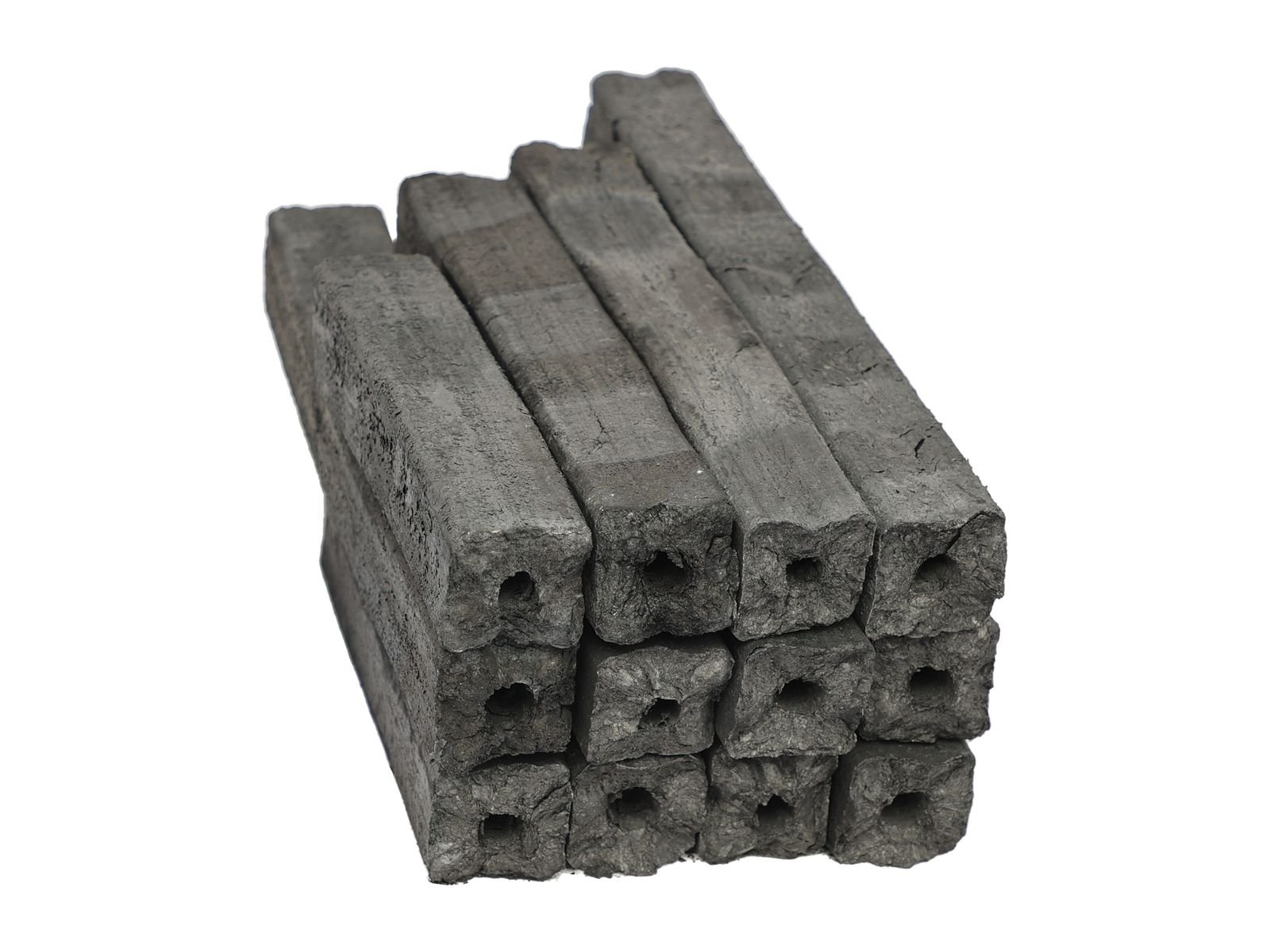
| High-volume restaurants and catering | Ogatan (hexagon or square) | Uniform, long-burning and low-smoke for extended service and fewer reloads |
| Grocery and big-box seasonal retail | Bagged lump | Consistent consumer packs for the spring-to-summer grilling peak |
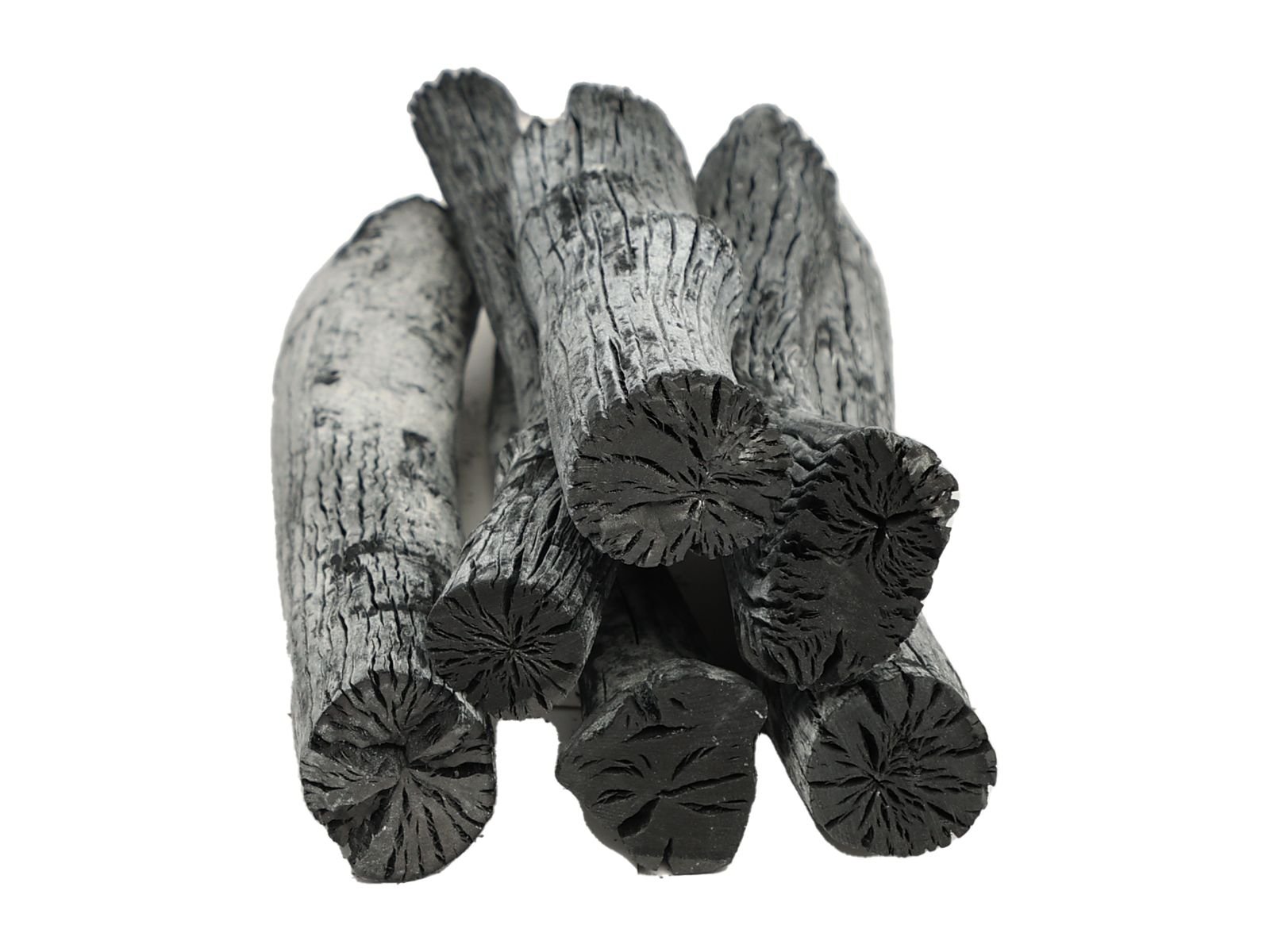
Lump leads the enthusiast and retail conversation, so a supplier that can hold a consistent size and low-ash profile has an advantage; our binchotan wholesale guide covers the premium end for restaurant buyers, and verifying quality on paper is just as important, as our guide on how to read a charcoal COA explains. VUTRUX produces binchotan from dense eucalyptus, lychee, longan and orange-pomelo hardwoods in grades A and B, plus machine-made ogatan and natural hardwood lump, all in export packing.
Need this grade by the container?
Tell us your market, volume and target spec — we reply within one business day with a quote and a sample offer.
CPTPP, bilingual labelling and Canadian compliance
Two Canadian rules can materially change your economics and your packaging. The first is a genuine advantage: because both Vietnam and Canada are members of the CPTPP (the Comprehensive and Progressive Agreement for Trans-Pacific Partnership), Vietnamese-origin charcoal may qualify for preferential tariff treatment when it travels with a valid origin declaration. The second is a hard requirement: consumer goods sold in Canada generally need bilingual English and French labelling, so retail packaging must carry both languages.
| Item | What to know |
|---|---|
| Preferential duty | CPTPP may reduce duty on Vietnamese-origin charcoal with a compliant origin declaration |
| Customs and inspection | Cleared through the Canada Border Services Agency (CBSA); plant-health rules are administered by the CFIA |
| Phytosanitary and packaging | Phytosanitary certificate for wood goods; timber packaging must be ISPM-15 compliant |
| Retail labelling | Bilingual English and French required on consumer packaging |
| Sales tax | GST or HST applies depending on the province |
The Canadian Food Inspection Agency (CFIA) oversees plant-health import requirements, so a phytosanitary certificate and ISPM-15-compliant packaging keep clearance smooth. Confirm the current tariff classification, CPTPP eligibility and labelling detail with your customs broker, and request the matching origin document from your supplier at booking. VUTRUX charcoal travels with an MSDS and per-lot COA, and independent self-heating tests conclude it is not IMDG Class 4.2, although carriers may still book it under UN 1361.
Cross-border logistics: ports, rail and the US connection
Canada's geography makes gateway choice a strategic decision, especially for importers who also serve, or buy alongside, the United States. The main options each suit a different distribution pattern.
- Vancouver: the primary Pacific gateway and usually the shortest trans-Pacific transit, ideal for western Canada and for feeding rail to the interior.
- Prince Rupert: a deep-water BC port with fast rail connections inland and toward the US Midwest, used to bypass congestion.
- Montreal and Halifax: eastern gateways that serve Quebec, Ontario and the Atlantic provinces, sometimes on Asia-Europe-routed services.
- US west-coast ports: some importers land at Los Angeles, Long Beach or Seattle-Tacoma and truck or rail across the border, particularly when the same programme supplies both markets.
From Vancouver, intermodal rail carries containers to Toronto and Montreal, so the landed cost to central Canada includes an inland leg worth planning for. One caution on trade rules: CUSMA (the Canada-United States-Mexico agreement) governs North American origin and does not confer preferential origin on Vietnamese-made goods, so do not rely on it for duty; CPTPP is the relevant agreement for Vietnamese charcoal. Whether you clear in Canada or move goods in bond, decide early where title and duties sit, because it drives both paperwork and cost. Our step-by-step guide on how to import charcoal from Vietnam covers the export mechanics that feed into either route.
How to start with a charcoal supplier for Canada
Sea transit from Hai Phong to Vancouver is commonly around two and a half to three and a half weeks on trans-Pacific services, with additional rail time to reach Toronto, Montreal or the Prairies. Because the retail season is compressed, the practical rhythm is to plan and order through winter so stock lands before the spring-to-summer peak.
For container planning, a 20ft load of binchotan is roughly 9.6 tonnes net (about 960 cartons of 10 kg), hexagon ogatan runs near 15 tonnes and square ogatan near 16 tonnes per 20ft; dense lump usually reaches the weight limit before it fills the box. A clean way to begin:
- Send your target segment, grade mix, seasonal and annual volume, gateway and whether you need bilingual retail packaging.
- Approve a sample against an independent-lab COA, tested on your own grill.
- Confirm CPTPP origin, phytosanitary, packaging and labelling requirements with your broker.
- Lock the Incoterm (FOB, CIF or DDP), payment terms (T/T or L/C) and shipping schedule.
Ready to line up a reliable charcoal supplier for Canada ahead of the season? Request a quote with your volume, gateway and target grade, and we will reply within one business day with pricing and a sample offer tailored to the Canadian market.
Frequently asked questions
Is there preferential duty on Vietnamese charcoal in Canada?
Possibly, and it is worth pursuing. Because Vietnam and Canada are both CPTPP members, Vietnamese-origin charcoal may qualify for preferential tariff treatment when it travels with a valid CPTPP origin declaration. Note that CUSMA does not apply to Vietnamese-made goods. Confirm the tariff line and eligibility with the CBSA or your customs broker, and request the correct origin document at booking.
Does charcoal packaging in Canada need to be bilingual?
Yes. Consumer goods sold in Canada generally require bilingual English and French labelling, so retail charcoal bags must carry both languages. Plan this into your artwork before printing and confirm the specific mandatory information and format for your product with your compliance adviser.
Can I import charcoal through a US port and truck it into Canada?
Yes. Some importers land at US west-coast ports such as Los Angeles, Long Beach or Seattle-Tacoma and move goods across the border by truck or rail, especially when one programme supplies both markets. Others use Vancouver or Prince Rupert and rail inland. The best choice depends on where the product sells and where you want to clear customs, so decide early because it drives paperwork and cost.
Which charcoal is best for Canadian kamado grills and restaurants?
Natural hardwood lump is the enthusiast and kamado favourite for its sear, aroma and responsive airflow, and it also anchors seasonal retail. Japanese fine dining and steakhouses tend to choose binchotan for its long, clean, near-smokeless heat, while high-volume restaurants often add ogatan for a uniform, long burn.
How long does shipping take from Vietnam to Canada?
Sea transit from Hai Phong to Vancouver is commonly around two and a half to three and a half weeks on trans-Pacific services, with extra rail time to reach Toronto, Montreal or the Prairies. Because the grilling season is short and intense, plan and order through winter so stock lands before the spring-to-summer peak.