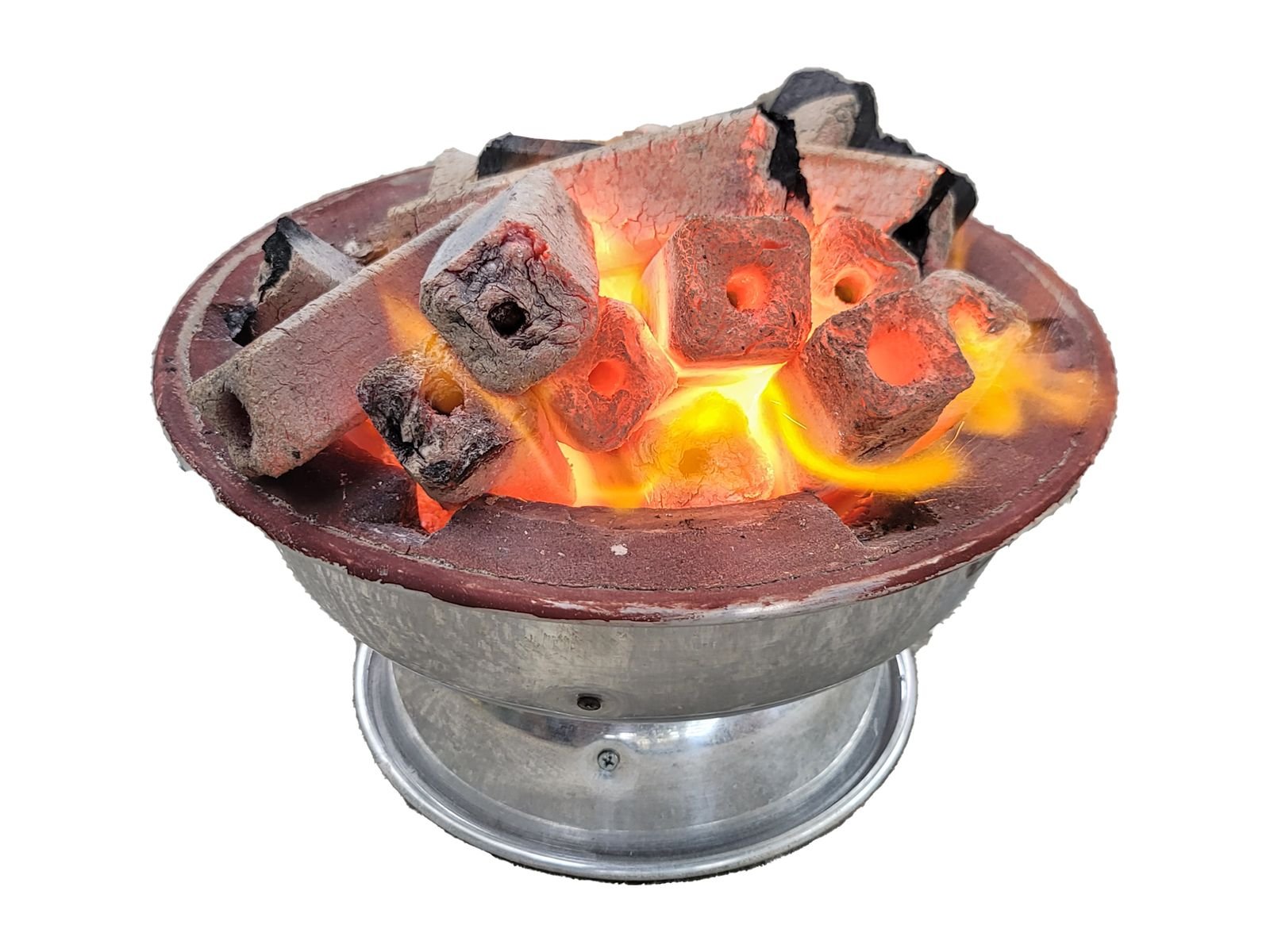
A charcoal supplier for Italy has to speak the language of the brace. From the bistecca alla fiorentina seared over glowing embers to the grigliata mista of a neighbourhood braceria, Italian grilling runs on high, clean heat, which is why premium hardwood lump and binchotan dominate HORECA demand. This guide covers the grades Italian kitchens want, the EUDR, phytosanitary and CONAI rules you will meet, and lead times to Genoa, La Spezia and beyond.
Key takeaways
- A charcoal supplier for Italy is judged first by HORECA buyers, who want premium hardwood lump and binchotan for high-heat, low-ash grilling.
- Italian grill culture, from bistecca alla fiorentina to braceria service, favours large lump for intense brace and binchotan for long, controlled heat.
- Retail charcoal is usually expected to meet UNI EN 1860-2, and packaging must carry Italian environmental labeling with the CONAI contribution.
- Plan for EUDR due diligence, a phytosanitary certificate and EUR.1 origin, plus roughly 30 to 45 days transit to Genoa, La Spezia, Livorno or Trieste.
Choosing a charcoal supplier for the Italian market
Italy's charcoal demand is led by food, and specifically by fire. A capable charcoal supplier for Italy is one that can keep bracerie, steakhouses, agriturismi and HORECA wholesalers stocked with fuel that delivers intense, clean, low-ash heat, service after service. Retail matters too for the summer grigliata, but the premium restaurant tier sets the tone for the whole market.
Before committing, Italian buyers should confirm the supplier offers:
- Per-lot independent-lab COA covering fixed carbon, ash, moisture and volatile matter.
- Full EU compliance: EUDR traceability, a phytosanitary certificate and proof of origin.
- Samples before any container, judged by the grill chef, not only the buyer.
- Clear terms: FOB Hai Phong, CIF or DDP, on T/T or L/C.
VUTRUX ships premium hardwood lump, fruitwood binchotan and Ogatan FOB Hai Phong to more than 40 markets, so the export documentation Italian importers rely on is already proven and repeatable rather than assembled from scratch.
Premium lump and binchotan for Italian grills
Italian grilling rewards fuel that can reach and hold serious heat. That is why large-format hardwood lump and dense binchotan lead the order book; the differences between them, and where briquettes fit, are set out in our comparison of binchotan, lump and briquettes.
| Grade | Best for | Character |
|---|---|---|
| Large hardwood lump | Bistecca alla fiorentina, high-heat brace | Fast, fierce heat and a deep bed of embers |
| Fruitwood binchotan | Long service, controlled grilling | Very long, smokeless, steady heat |
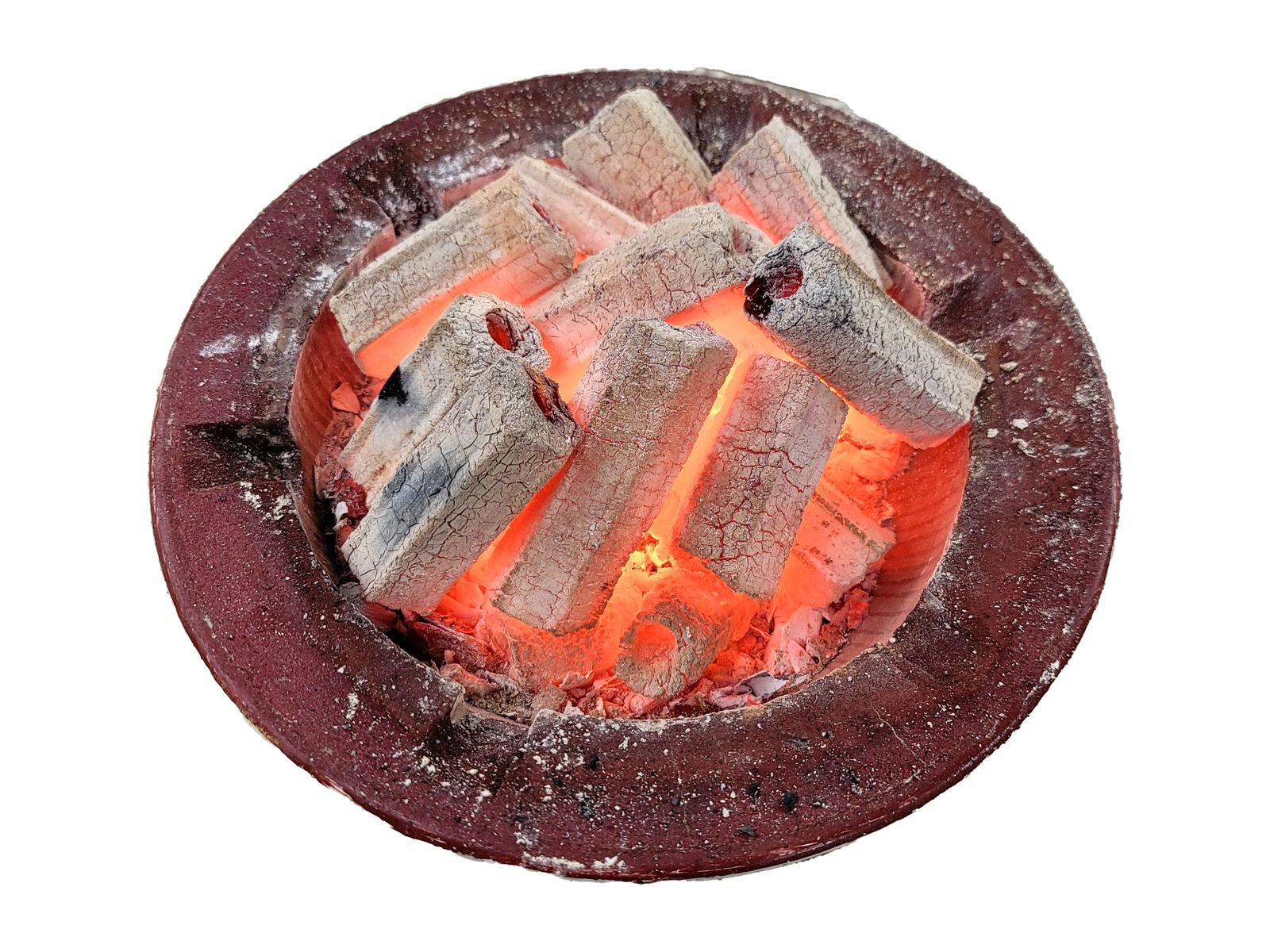
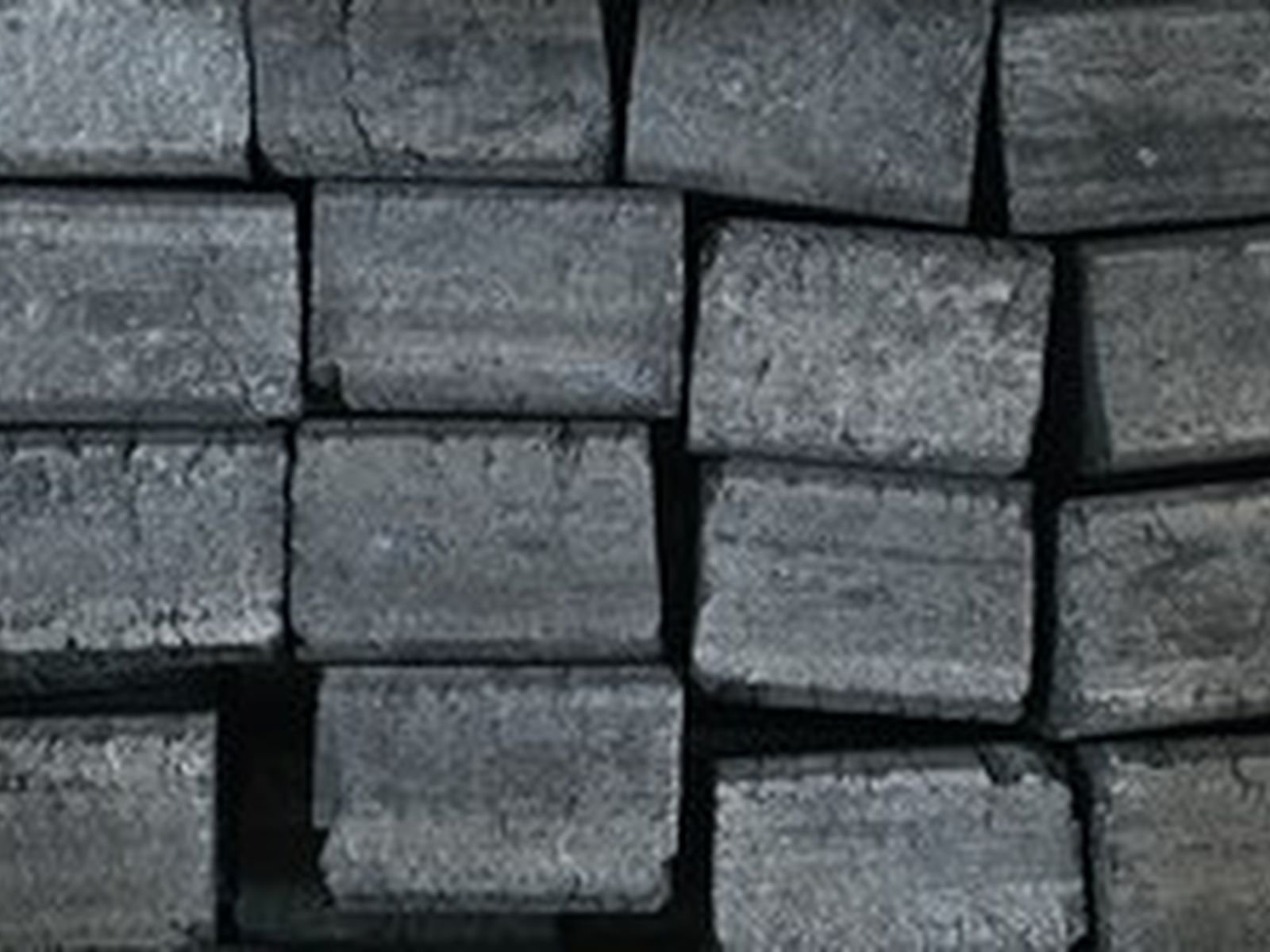
| Ogatan briquettes | Consistent volume grilling | Predictable burn, low ash |
For the classic Tuscan bistecca, a thick T-bone finished rare over embers, chefs want a fast, powerful bed of coals, which large hardwood lump provides. For long a la carte services where the grill runs for hours, binchotan's steady output shines: VUTRUX fruitwood binchotan carries fixed carbon typically around 95 percent and ash near 3 percent, so ember beds stay hot and clean with minimal tending.
Size and grading are worth specifying precisely for Italy. A braceria searing bistecca all evening wants large, blocky lump that builds a deep ember bed and radiates steady heat, while a kitchen plating delicate spiedini may prefer smaller binchotan pieces for finer control. Telling your supplier the piece sizes and grade split you need, rather than ordering a generic mix, keeps the grill chef happy and reduces the offcuts that otherwise end up as waste.
Need this grade by the container?
Tell us your market, volume and target spec — we reply within one business day with a quote and a sample offer.
Matching charcoal to Italian cooking
Italian grill culture is regional and specific, and the fuel should follow the technique, a theme we develop in our guide to the best charcoal for restaurants.
- Bistecca alla fiorentina: a hot, deep bed of hardwood-lump embers to sear a thick cut fast while keeping the centre rare.
- Grigliata mista: mixed meats and sausages over a broad, even bed, using lump for flavour or binchotan for a steadier hold.
- Spiedini and skewers: controlled radiant heat where binchotan's low smoke keeps flavours clean.
- Braceria service: hours of grilling that reward long-burning binchotan or Ogatan and less frequent refuelling.
Low ash is a practical priority in Italian kitchens: less ash means a cleaner grill, fewer interruptions and a tidier ember bed through a long service. It also reduces waste, which helps control cost when the grill is central to the menu. Where kitchens cook in view of diners, binchotan's clean, near-smokeless burn is a real advantage, provided extraction and carbon-monoxide safety are handled properly.
Provenance carries real weight with Italian buyers, who take ingredients and their sourcing seriously. Being able to name the wood, show a per-lot COA and point to legal, traceable harvesting helps an importer win and keep HORECA accounts, especially as EUDR pushes documentation up the agenda. A clean technical story behind the fuel is increasingly part of the sale, not an afterthought. Increasingly, that story is what separates a preferred supplier from an interchangeable one.
Quality, COA and compliance for Italy: EUDR, phytosanitary and CONAI
Italian buyers combine a sharp eye for grilling quality with the EU's documentary requirements. Reading the numbers is the first step, and our guide to reading a charcoal COA shows what to check on each lot.
| Requirement | What it covers | Who handles it |
|---|---|---|
| EUDR due-diligence statement | Deforestation-free, legal wood with geolocation | Importer, using supplier data |
| Phytosanitary certificate | Plant goods free of pests | Vietnamese authority |
| EUR.1 or statement on origin | Preferential duty under the EU-Vietnam FTA | Authority or REX exporter |
| UNI EN 1860-2 conformity | Retail barbecue-charcoal quality | Supplier spec plus lab COA |
| Environmental labeling and CONAI | Packaging labeling and contribution | Importer |
On sourcing, the EU Deforestation Regulation (EUDR) covers wood charcoal: whoever first places the goods on the market files a due-diligence statement with harvest geolocation and proof of legality, using the supplier's traceability data. Duty may be reduced under the EU-Vietnam Free Trade Agreement with a valid EUR.1 or REX statement on origin, so confirm the classification with your broker.
For packaging, Italy requires environmental labeling of packaging, mandatory since 2023, and payment of the CONAI environmental contribution, alongside Italian-language consumer information. Fold these into artwork and costing before you print, because changes at proof stage cost time.
Ports, lead times and how to order
Shipments for Italy typically route to Genoa, La Spezia, Livorno or Trieste, often via a Mediterranean transshipment hub such as Gioia Tauro. Treat each stage below as a range and confirm at booking.
| Stage | Typical duration |
|---|---|
| Sample dispatch and approval | A few days to about two weeks |
| Production and consolidation | About two to four weeks |
| Ocean transit, Hai Phong to Italy | Roughly 30 to 45 days, more via transshipment |
| Customs and EUDR checks | Add a buffer on arrival |
Plan around full-container economics. A 20ft of binchotan is about 9.6 metric tons net (960 ten-kilogram cartons), while Ogatan loads near 15 tons for hexagon and 16 tons for square. Independent self-heating tests conclude the charcoal is not IMDG Class 4.2, though some carriers still book under UN 1361, so confirm the basis with your forwarder.
Regional fit helps: buyers around Milan and the Veneto often prefer Genoa, La Spezia or Trieste for the short inland leg, while central and Tuscan importers lean on Livorno. Aligning the discharge port with your warehouse saves both time and trucking cost on every container. Where a transshipment leg via Gioia Tauro is involved, build in a little extra time and confirm the final discharge port at booking.
VUTRUX works FOB Hai Phong, CIF or DDP, on T/T or L/C, with a sample approved before any container ships. Ready to price your grade and port? Request a quote or ask for a sample, and we reply within one business day.
Frequently asked questions
What charcoal is best for bistecca alla fiorentina?
Most Tuscan grill chefs want a fast, powerful bed of embers to sear a thick T-bone while keeping the centre rare, which large-format hardwood lump provides. For services where the grill runs for hours, binchotan adds a long, steady, low-ash hold that keeps the ember bed clean.
Do you supply binchotan for Italian restaurants?
Yes. We supply fruitwood binchotan from eucalyptus, lychee and longan, with fixed carbon typically around 95 percent and ash near 3 percent for very long, smokeless heat. As always, we send a sample first so your grill chef can approve the grade before a container is booked.
What packaging rules apply to charcoal sold in Italy?
Since 2023, Italy requires environmental labeling of packaging, and importers must pay the CONAI environmental contribution and provide Italian-language consumer information. Retail barbecue charcoal is also generally expected to meet UNI EN 1860-2, so fold these requirements into artwork and costing early.
Which Italian ports does VUTRUX ship to?
We typically ship to Genoa, La Spezia, Livorno or Trieste, often routed via a Mediterranean transshipment hub such as Gioia Tauro. Allow roughly 30 to 45 days of sea transit from Hai Phong, plus a buffer for customs and EUDR checks on arrival.
What is the minimum order for Italian buyers?
We start with a sample, then move to full-container loads for the best economics: about 9.6 metric tons of binchotan per 20ft, or roughly 15 to 16 tons of Ogatan. For a first order we can discuss trial quantities and shared-container options.