Every busy restaurant kitchen wants to reduce charcoal cost, but the answer is rarely the cheapest bag. Fuel is a small line on the invoice with an outsized effect on food quality, throughput and waste, so the goal is lower cost per cover, not lower price per kilo. This guide shows how the right grade choice, disciplined burn management and smarter buying can cut what you spend on charcoal while protecting the heat your menu depends on.
Key takeaways
- To reduce charcoal cost in a restaurant, track cost per cover, not price per kilogram - a longer-burning fuel with less waste often wins.
- Match the grade to the job: do not pay for binchotan where lump or ogatan will do, and do not starve a delicate station of clean heat.
- Disciplined burn management - two-zone beds, pre-lit top-ups and reusing binchotan - stretches every kilo across a longer service.
- Cut waste from moisture, breakage and poor storage; you pay to ship and store charcoal, not water or dust.
- Buy by the container against a locked spec with a per-lot COA to lower unit cost and keep results consistent.
Reduce charcoal cost in a restaurant by tracking cost per cover
The fastest way to overspend on charcoal is to judge it by the sticker price. A cheap fuel that burns fast, crumbles, or needs constant refueling can cost more per service than a premium one that burns long and clean. To genuinely reduce charcoal cost, switch the metric you manage to cost per cover - the fuel spend divided by the number of dishes or guests a service produces.
Run a simple trial on your own equipment for each candidate fuel and record:
- Kilograms burned in a typical service.
- How many times staff rebuild or top up the bed.
- How much unburnt or broken product is discarded.
- Covers produced in that service.
Divide fuel cost by covers and compare. A fuel that costs more per kilo but halves refuels and waste routinely lands cheaper per cover. Our guide to the best charcoal for restaurants walks through matching that math to different cuisines.
Manage cost per cover, not price per kilo. It is the only number that connects fuel spend to what actually leaves the pass.
Choose the right grade for the job
Overspending often means burning premium binchotan where a cheaper fuel would perform just as well; underspending means starving a delicate station of clean heat and paying in wasted product and slower service. The trick is to match the fuel to the station rather than defaulting to one grade for the whole line.
| Fuel | Cost per kg | Where it saves you money |
|---|---|---|
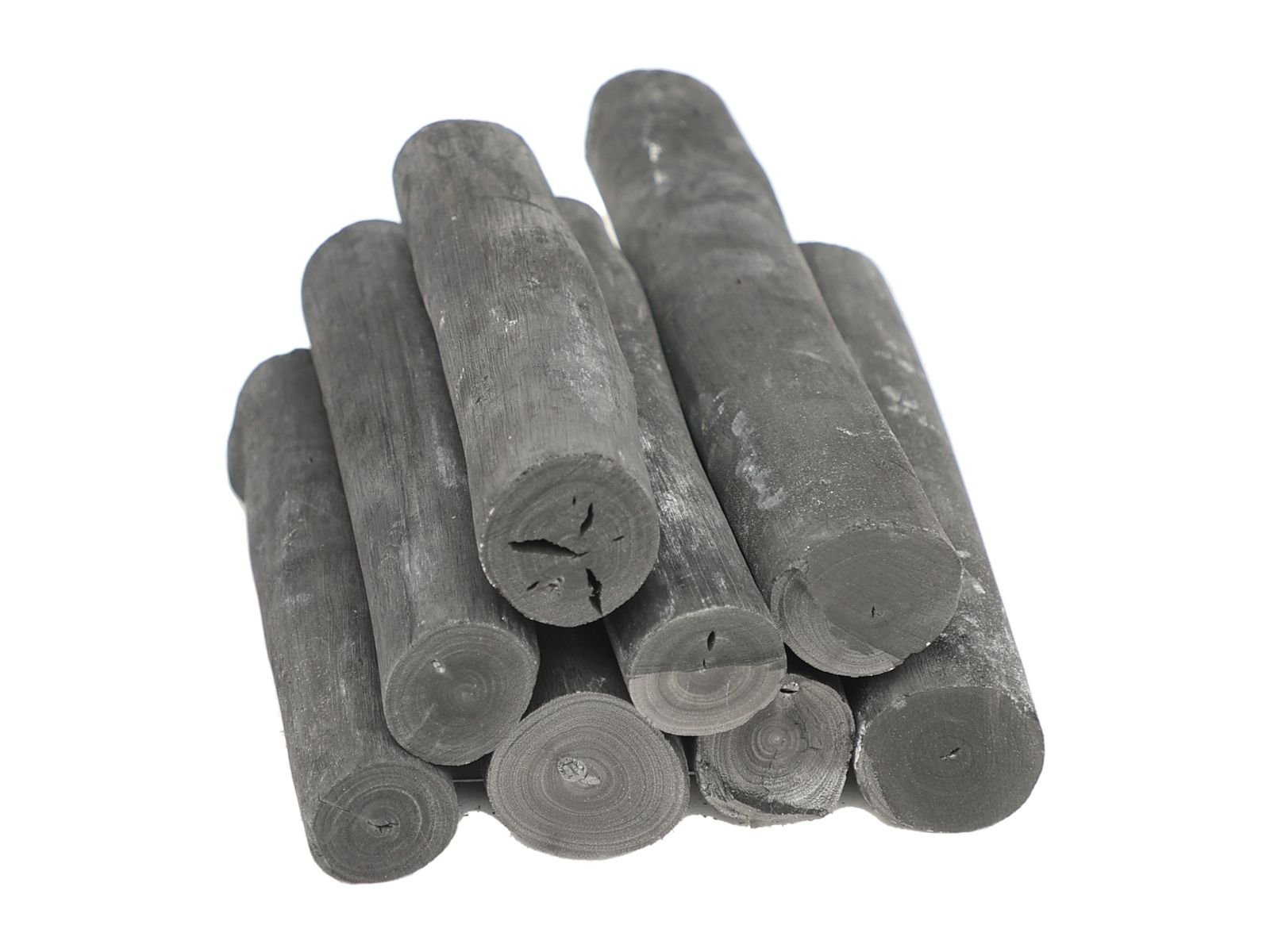
| Binchotan | Highest | Long, clean, reusable heat for yakitori and finishing; lowest waste |
| Hardwood lump | Middle | Fast, high sear for steaks; buy where aroma and speed matter |
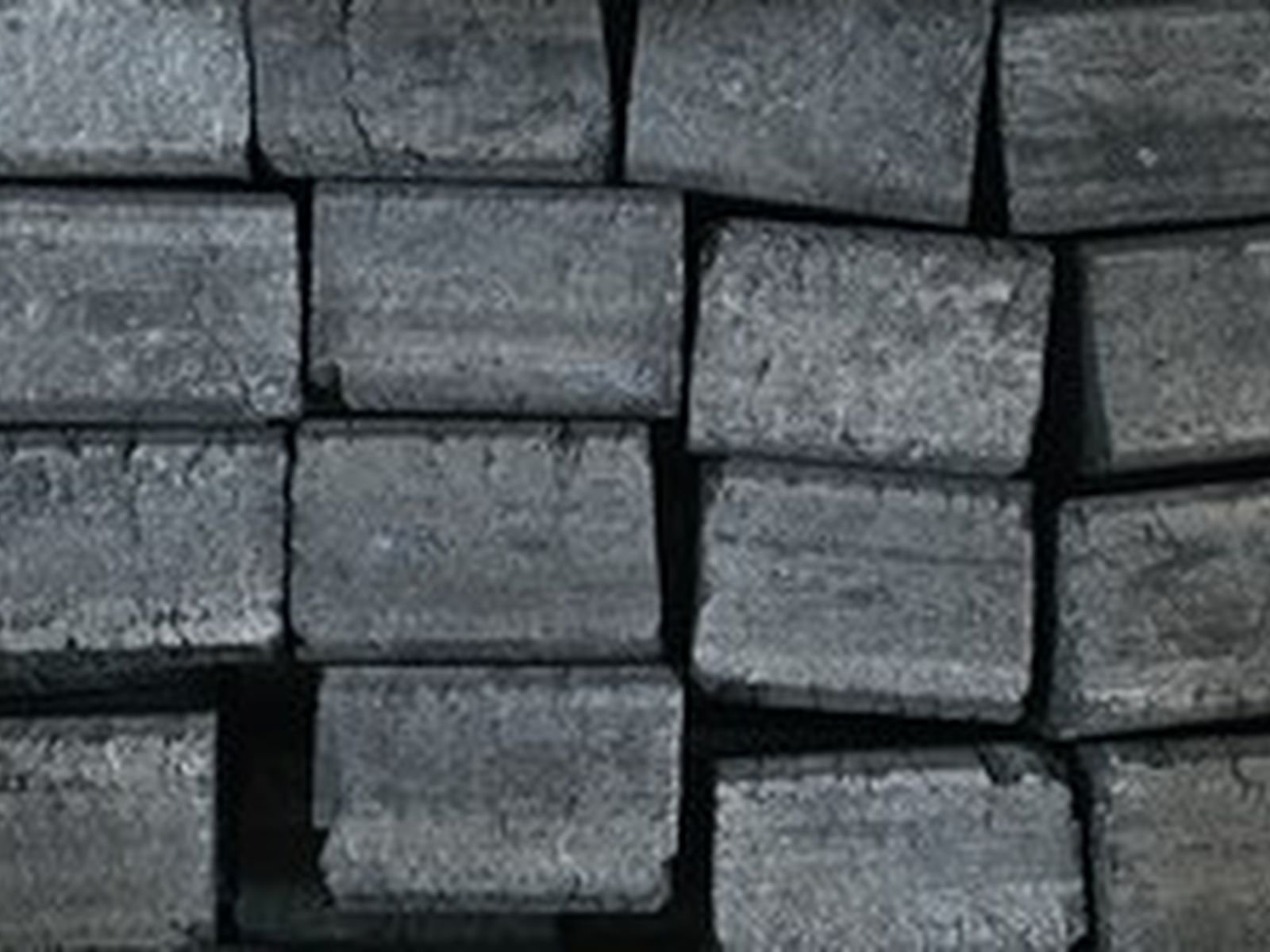
| Ogatan briquettes | Lower per usable hour | Uniform, long, predictable heat for high-volume lines |
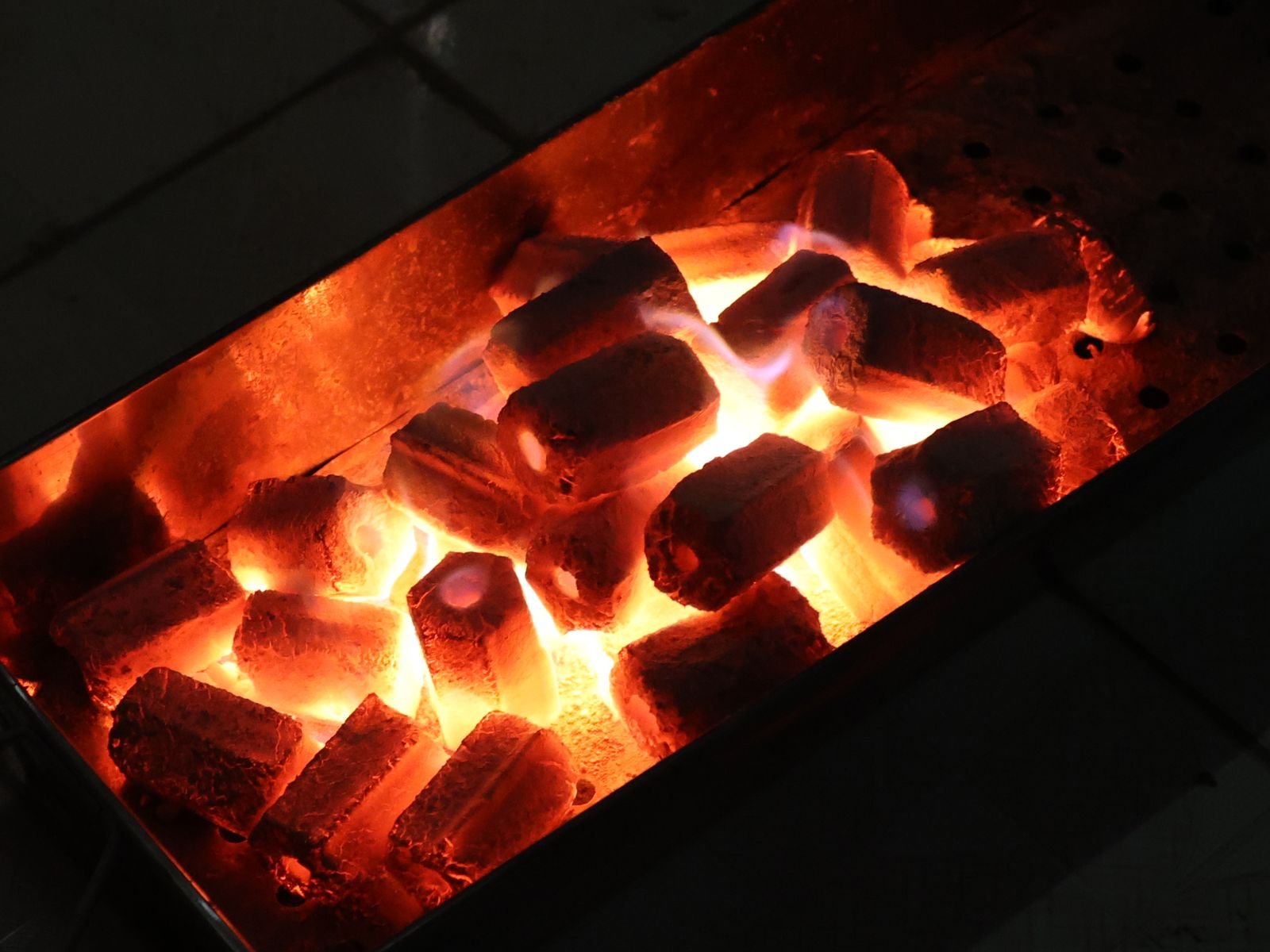
A practical pattern in many kitchens is a hybrid bed: a base of long-burning ogatan or a few binchotan pieces for a steady zone, with lump added for the initial sear. That pairs the aroma and fast heat of lump with the stability of a longer-burning fuel and stretches the faster-burning product across a longer service. For a full side-by-side of the three formats, see binchotan vs lump vs briquettes.
Beware the false economy of the cheapest bag. Low-grade charcoal often carries more moisture, more fines and inconsistent piece size, so a larger share of what you buy never turns into usable heat. When you normalise two quotes to cost per usable hour of grilling, the cheaper option frequently turns out to be the expensive one, which is why a written specification and a sample matter before price ever enters the conversation.
Need this grade by the container?
Tell us your market, volume and target spec — we reply within one business day with a quote and a sample offer.
Get more service from every kilo
Once you have the right fuel, technique decides how far it goes. Poor fire management can double consumption; good management quietly cuts the bill every service.
- Build a two-zone bed. Cluster coals under the hot zone and thin them for a resting zone, so you are not heating grate you are not using.
- Top up with pre-lit coals. A cold piece dropped on a live bed steals heat and often never catches; light replacements in a chimney and add them glowing.
- Do not overpack. Coals need small air gaps to burn efficiently; a smothered bed wastes fuel.
- Light without fluid. A chimney or gas burner lights charcoal cleanly and avoids the tainted flavor and wasted, half-burnt pieces that accelerants leave behind.
Binchotan has a particular money-saving trick: it can be extinguished and reused. At the end of service, move the glowing coals into a sealed metal container with tongs; starved of oxygen they stop burning, and once cold they can be relit for several more services. Never quench binchotan with water, which cracks the dense structure and ruins reuse. The full method is in our guide to lighting and using binchotan.
Ash management is a quiet cost too. As ash builds up it chokes airflow, so the same coals give less heat and staff burn more to compensate. Rake or clear ash between rushes to keep the bed breathing, and you get the full value from every kilo already on the grill.
Cut waste from moisture, breakage and storage
Some of the easiest savings come before the coal is ever lit. You pay to ship, store and handle charcoal, so every kilo lost to moisture, dust or breakage is money gone.
- Specify a moisture ceiling. Wet charcoal sparks, smokes and burns poorly, and you paid freight to import the water. Premium charcoal runs low, with moisture around 3% on a lab analysis.
- Insist on sturdy packaging. Double-wall export cartons, inner liners and proper palletization keep pieces whole from port to pass. Broken fines burn too fast to be useful on the grill.
- Store it dry and off the floor. Charcoal readily absorbs humidity; a dry, ventilated store keeps it easy to light and full-strength.
- Rotate stock. First in, first out avoids damp, degraded product at the back of the store.
- Keep the fines. Small offcuts and dust still work as a bed layer under larger coals rather than going in the bin.
These habits protect the quality you paid for and keep your cost-per-cover math honest, because a lot that arrives dry and whole delivers every hour of heat you were billed for.
Buy smart: container loads, spec and consistency
How you buy is the last lever. Charcoal moves by the container, so committing to a full 20ft or 40ft load lowers your unit cost against buying in small parcels, and locking a written specification keeps every lot behaving the same so you are not re-tuning cook times and wasting product on surprises.
- Buy to a spec, not a name. Define species, shape, size, and target fixed carbon, ash and moisture, and hold each lot to an independent-lab COA.
- Sample before you order and keep a retained sample as your benchmark.
- Plan reorders against the sailing schedule. Ocean freight adds weeks, so a small buffer stock avoids emergency top-ups at retail prices.
- Agree Incoterms and payment up front - FOB, CIF or DDP, and T/T or L/C - so landed cost is predictable.
Finally, consolidate. Spreading small orders across several suppliers forfeits volume pricing and multiplies the risk of inconsistent lots. Concentrating your volume with one exporter who can document consistent quality usually earns a better landed cost and a more reliable reorder, which protects both your margin and your menu.
VUTRUX supplies binchotan, ogatan and hardwood lump FOB Hai Phong to more than 40 markets, with sample-before-order and a per-lot COA so quality stays consistent shipment to shipment. Send your grade, volume and destination and request a quote to see the container-load cost for your kitchen.
Frequently asked questions
What is the best way to reduce charcoal cost in a restaurant?
Measure cost per cover rather than price per kilo, match the grade to each station so you neither overspend nor starve a delicate dish of clean heat, manage the fire with a two-zone bed and pre-lit top-ups, and buy by the container against a locked spec. Together these usually cut fuel spend without hurting quality.
Is expensive charcoal like binchotan worth it for a restaurant?
Often, yes, once you measure correctly. Binchotan costs more per kilo but burns long with very low ash and can be extinguished and reused, so its cost per cover is frequently competitive, especially where quality is priced into the menu. High-volume, low-margin cooking may still be better served by hardwood lump or ogatan.
How can I make charcoal last longer during service?
Build a two-zone bed so you only heat the grate you use, top up with pre-lit coals instead of raw ones, and leave small air gaps so the bed burns efficiently rather than smothering. With binchotan, extinguish leftover coals in a sealed metal container and reuse them, and always store charcoal dry.
Does buying charcoal by the container actually save money?
Yes. A full 20ft or 40ft load carries a much lower unit cost than small parcels, and a consistent lot means less product wasted on re-tuning your fires. The trade-offs are lead time and storage, so plan reorders against the sailing schedule and hold a buffer stock sized to your burn rate.
How much charcoal does a busy kitchen use per service?
It varies widely with grill type, cover count, service length and the grade burned, so there is no universal figure. The reliable approach is to measure consumption during a sample trial on your own equipment, then plan purchasing and cost per cover from that real data rather than a generic estimate.