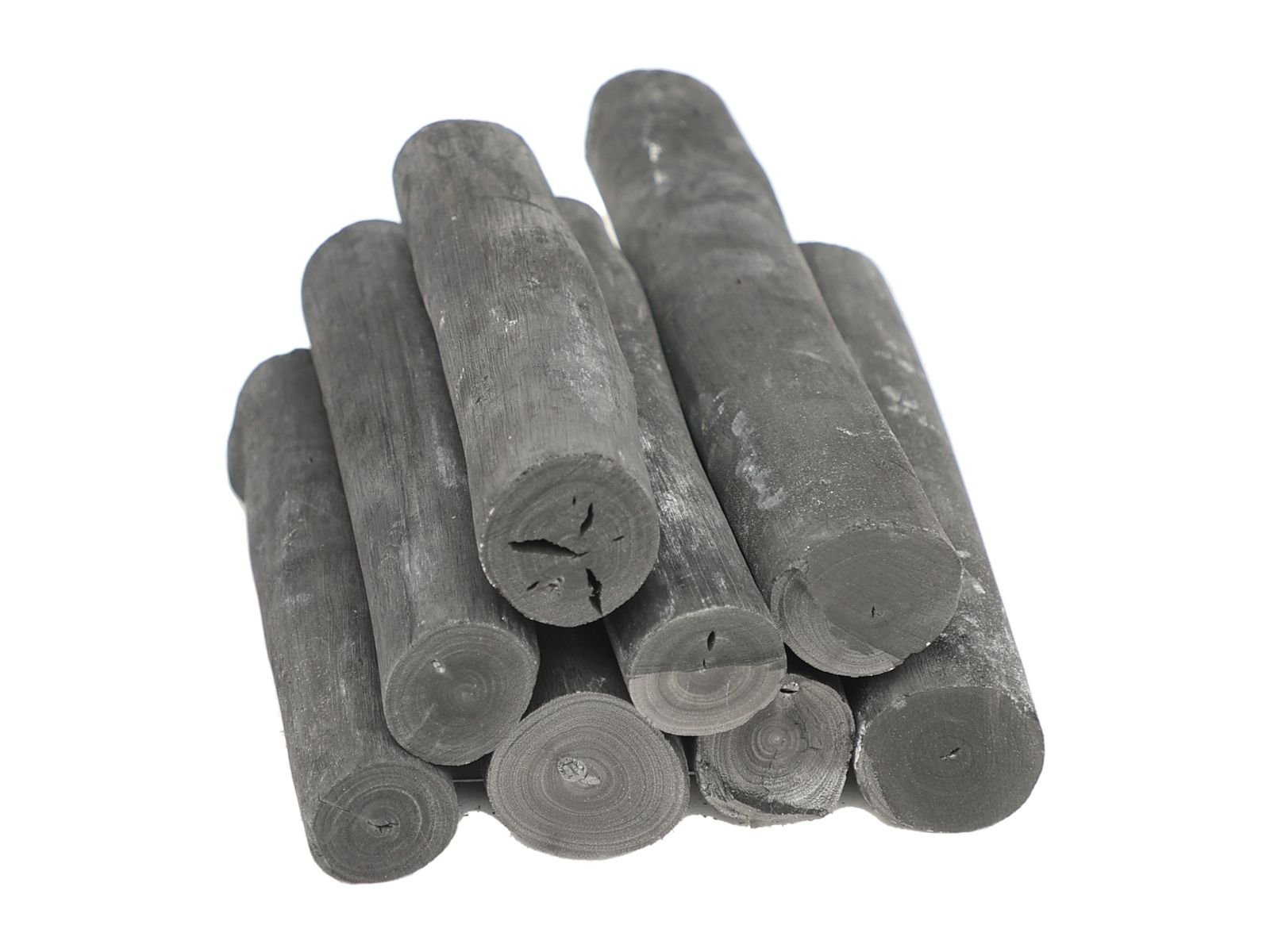
Charcoal safety indoors comes down to one invisible hazard: carbon monoxide. Burning charcoal in any enclosed space without proper ventilation can be fatal, which is why the safe default is to cook outdoors. There are narrow, well-engineered exceptions in commercial kitchens, but they depend on serious extraction, not an open window. This guide explains the risk, the rare cases where indoor charcoal cooking is done safely, and the rules that keep people alive.
Key takeaways
- Charcoal safety indoors is really about carbon monoxide, an odorless, colorless gas that can kill before you notice it.
- Never burn charcoal in a home kitchen, tent, garage, camper or any closed room - the safe default is outdoors.
- Indoor charcoal cooking is only safe in commercial kitchens with dedicated extraction and make-up air.
- Fit a carbon-monoxide alarm as a backup wherever charcoal might be burned, and learn the symptoms of poisoning.
- Coals keep emitting carbon monoxide after the flames die, so never bring a finished grill inside to cool.
Charcoal safety indoors: understanding carbon monoxide
Charcoal safety indoors begins and ends with one gas: carbon monoxide, or CO. When charcoal burns, especially as it smoulders with limited air, it produces carbon monoxide - a gas that is colorless, odorless and tasteless. You cannot see it, smell it or taste it, and by the time symptoms appear you may already be too impaired to act. That is what makes it so dangerous in any enclosed space.
Carbon monoxide is harmful because it binds to the hemoglobin in your blood far more readily than oxygen does, starving your organs of oxygen. In a confined room the concentration from a charcoal fire can climb to lethal levels quickly. This is not a rare freak event: every year people are hospitalized or killed after burning charcoal indoors for cooking or warmth, often believing that a small grill or a nearly finished fire is harmless.
Why you must never grill charcoal in an enclosed space
The core rule of charcoal safety indoors is blunt: do not burn charcoal in an enclosed space. That includes places people wrongly assume are safe enough.
- Home kitchens - a domestic extractor fan is not designed to clear combustion gases and will not protect you.
- Tents, awnings and campers - a common and frequently fatal mistake, especially when a grill is brought in for warmth.
- Garages and sheds - even with the door part-open, CO accumulates faster than it clears.
- Cars, vans and cabins - any small sealed volume becomes dangerous within minutes.
Coals that look spent are still burning. A grill or chimney keeps releasing carbon monoxide long after the flames die down, so never carry a finished or cooling grill indoors, into a garage or into a tent porch. Let it cool completely in the open air.
If the space has a roof and walls and no dedicated combustion extraction, treat it as unsafe for charcoal. When in doubt, cook outdoors - it is the one choice that is always safe.
Need this grade by the container?
Tell us your market, volume and target spec — we reply within one business day with a quote and a sample offer.
The one exception: commercial kitchens with real ventilation
There is a legitimate exception, and it is a demanding one. Many restaurants cook over charcoal indoors every day, safely, because they invest in ventilation engineered for the job - not a domestic hood, but a commercial system.
That means a professional extraction hood sized and certified for solid-fuel cooking, drawing combustion gases straight outside, paired with adequate make-up air so the extraction actually works and does not simply create negative pressure. A carbon-monoxide alarm provides a backup layer, and staff are trained on airflow and on never blocking the system. This is a designed, maintained installation, usually specified with a ventilation engineer and signed off to local codes.
The practical lesson for anyone else is that you cannot recreate this with an open window or a fan. If you run a venue and want to grill over charcoal, budget for proper extraction from the start; our guide to the best charcoal for restaurants covers both fuel selection and the ventilation such setups require.
Recognizing carbon-monoxide poisoning
Because you cannot sense carbon monoxide directly, recognizing the symptoms of poisoning can save a life. Early signs are easy to mistake for flu or tiredness, which is part of the danger.
| Stage | Common symptoms |
|---|---|
| Early / mild | Headache, dizziness, nausea, tiredness and shortness of breath |
| Worsening | Confusion, blurred vision, weakness, vomiting and loss of coordination |
| Severe | Loss of consciousness and, without rescue, death |
A telltale clue is that several people, or pets, in the same space feel ill at once, and often feel better after leaving it. If you suspect carbon-monoxide poisoning, get everyone into fresh air immediately, call emergency services, and do not re-enter the space. A CO alarm is the only reliable early warning, because your senses give you none.
Safer practices and lower-emission choices
If you are cooking with charcoal, a handful of practices reduce risk and nuisance - though none of them replace ventilation.
Light it cleanly
Use a chimney starter or natural firelighters rather than petroleum lighter fluid, which adds fumes to the smoke and taints food. See how to light and use binchotan for a fluid-free method that works on any dense charcoal.
Understand what low-smoke does and does not mean
Dense, high-carbon fuels such as binchotan white charcoal burn cleanly with very little smoke or odor, which is why professional grills favour them. But low smoke does not mean low carbon monoxide. Every charcoal fire produces CO, so ventilation remains essential no matter how clean the fuel looks or smells.
Extinguish outdoors
Put coals out by smothering them in a sealed metal container in the open air, never indoors and never by carrying a smouldering grill inside. Let everything cool fully before you store or dispose of it.
Indoor charcoal safety checklist
Keep these rules in one place and share them with anyone who lights a grill.
- Cook charcoal outdoors by default; treat any roofed, walled space without combustion extraction as unsafe.
- Never burn charcoal in a home kitchen, tent, awning, camper, car, garage or shed.
- Indoors, only cook over charcoal under a commercial extraction hood with make-up air, backed by a CO alarm.
- Fit and test a carbon-monoxide alarm wherever charcoal might be used, and learn the symptoms of poisoning.
- Remember that low-smoke charcoal still emits carbon monoxide, and that cooling coals keep emitting it.
- Extinguish coals outdoors in a sealed metal container, and never bring a finished grill inside.
Charcoal is a superb cooking fuel when it is used with respect for how it burns. If you are sourcing premium, clean-burning charcoal for a properly ventilated venue, VUTRUX exports binchotan, ogatan and hardwood lump FOB Hai Phong with a per-lot COA and MSDS on every shipment - request a quote or a sample to discuss the right grade for your kitchen.
Frequently asked questions
Is it safe to use a charcoal grill indoors?
Not in a home or any space without dedicated combustion extraction. Burning charcoal releases carbon monoxide, which is odorless and can be fatal indoors. The safe default is to cook outdoors. Restaurants grill over charcoal indoors only with a commercial extraction hood, make-up air and a CO alarm - a domestic extractor fan is not enough.
How long does carbon monoxide last after charcoal stops burning?
Carbon monoxide is released for as long as the coals are combusting, and cooling coals can smoulder and emit CO for a long time after the visible flames and glow fade. That is why you should never bring a finished grill indoors to cool. Let coals die completely in the open air, or smother them in a sealed metal container outdoors.
Does binchotan or low-smoke charcoal produce less carbon monoxide?
No. Dense fuels such as binchotan produce very little smoke and odor, but low smoke does not mean low carbon monoxide. Every charcoal fire, however clean-burning, gives off carbon monoxide. Choosing a low-smoke fuel improves flavor and air quality but never removes the need for proper ventilation indoors.
What are the first signs of carbon-monoxide poisoning?
The earliest signs are often mistaken for flu or fatigue: headache, dizziness, nausea, tiredness and breathlessness. A key clue is that several people or pets in the same space feel unwell at once and improve after leaving it. If you suspect CO poisoning, get everyone into fresh air, call emergency services and do not go back in.
Can I use a charcoal grill in a garage with the door open?
No. A garage is an enclosed space, and carbon monoxide builds up faster than a part-open door can clear it. The same applies to sheds, carports and covered patios that trap air. Use charcoal only in genuinely open air, or in a commercial kitchen engineered with proper solid-fuel extraction.