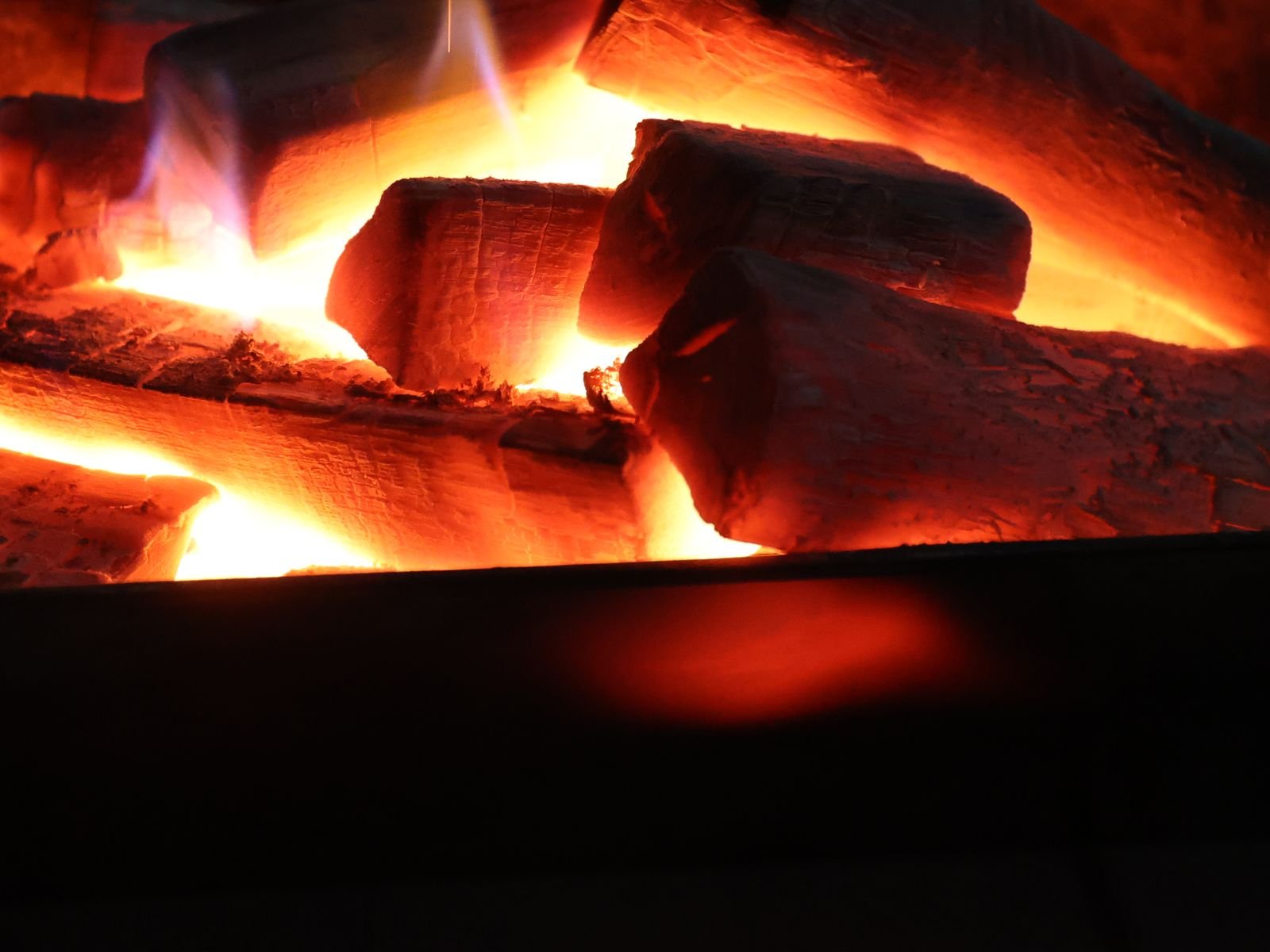
Few fuels reward reuse the way binchotan does. Because it is almost pure carbon with very low ash and moisture, a piece that has cooked one service is often barely spent. Learn to reuse binchotan properly, by extinguishing without water damage, drying it fully and relighting it, and you can cut your charcoal cost per hour sharply while sending far less to waste. This guide covers the full routine, from snuffing the fire to knowing when a piece is finished.
Key takeaways
- Binchotan is built to be reused: dense, around 95% fixed carbon and only about 3% ash, so a used piece still holds most of its fuel value.
- The key is to extinguish by cutting off oxygen in a sealed container, never by dousing with water.
- Reclaimed pieces must be fully dry before relighting, or trapped moisture makes them pop and crack.
- Most pieces survive several sessions; retire them only when they are small, light or crumbling.
- For a busy grill, disciplined reuse can meaningfully lower charcoal spend and waste.
Why reuse binchotan? The cost and quality case
The case to reuse binchotan comes down to what it is made of. VUTRUX binchotan tests at roughly 95% fixed carbon with only around 3% ash and 3% moisture, so when a service ends there is very little spent material and a great deal of unburned fuel still locked in each piece. Throwing that away is throwing away money.
Binchotan also degrades very little between uses. Unlike soft lump charcoal, which crumbles and produces fines, a dense white-charcoal piece keeps its structure through several fires. That means the second and third burns are nearly as clean and steady as the first, with the same near-odourless heat that makes binchotan worth buying. Our overview of what binchotan white charcoal is explains the density behind that durability.
For a venue, the arithmetic is compelling. Binchotan costs more per kilogram than briquettes, but if you get three or four services from a batch instead of one, the real cost per cooking hour drops well below that of cheaper fuels you burn once and bin. Our guide to the best charcoal for restaurants puts numbers around that trade-off.
There is a sustainability angle too. Getting full value from every piece means less charcoal burned and less waste for the same amount of cooking, which matters to buyers who track the footprint of their supply chain and to households that simply dislike throwing usable fuel away.
How to extinguish binchotan the right way
Reuse starts with how you put the fire out. The goal is to smother the coals, cutting off their oxygen, not to soak them.
- Using long metal tongs, lift the glowing pieces into a metal container. The traditional tool is a hifukeshi, a ceramic or metal jar with a tight lid made for exactly this.
- Seal the lid firmly. Starved of air, the coals stop burning on their own, usually within 20 to 30 minutes.
- Leave the container closed until the contents are completely cold. Do not peek early, as fresh oxygen just restarts the burn.
- As an alternative, burying pieces in dry sand also cuts off oxygen, though it is messier and slower.
Never quench binchotan with water. The thermal shock cracks and shatters the dense structure, wasting it, and any water it soaks up makes it hiss and spit dangerously the next time you light it.
A dedicated ceramic snuffer is the cleanest option because it doubles as dry storage between services, keeping reclaimed coals ready to go.
Need this grade by the container?
Tell us your market, volume and target spec — we reply within one business day with a quote and a sample offer.
Drying reclaimed pieces before you relight
If your extinguishing method kept the coals dry, they are ready to store and reuse straight away. But any binchotan that has picked up moisture, whether from a damp storage area, an accidental splash, or condensation, must be dried thoroughly before it goes near a fire.
The reason is physics. Trapped water turns to steam when heated, and in dense charcoal that steam has nowhere to escape, so the piece pops, spits sparks and can crack apart. Fresh binchotan is milled to around 3% moisture for this exact reason, and reclaimed pieces should be just as dry before relighting.
To dry reclaimed coals, spread them in a single layer somewhere warm and airy for 24 to 48 hours, or leave them in a low-humidity storeroom. In a working kitchen, a rack near the extraction or a warm dry cupboard does the job. Never try to speed-dry wet binchotan by throwing it straight onto a hot fire; that is precisely when it spits most.
A quick way to check dryness is weight and sound. Fully dry binchotan feels light for its size and gives a clear, almost metallic ring when two pieces are tapped together, while a damp piece sounds dull and heavy. If in doubt, give it another day before it goes near the grill.
Relighting used binchotan
Relighting reclaimed binchotan is much like lighting fresh, with one welcome difference: partly burned pieces have already lost some of their density at the surface, so they often catch a little faster.
Use the same fluid-free methods you would for new coal: a chimney over a gas flame, a bed of live Ogatan or lump, or a torch. Give the pieces sustained heat until the edges glow and a grey ash forms. A practical tip is to mix old and new: lay reclaimed pieces alongside fresh ones so the whole load reaches temperature together and burns evenly. For the complete lighting and heat-control routine, see our guide on how to light and use binchotan.
Avoid lighter fluid entirely, as with fresh binchotan. Not only does it taint the food, it will not reliably ignite dense white charcoal in the first place, so it wastes both the fluid and your time.
How many times can you reuse binchotan?
There is no fixed limit; it depends on how hard the pieces are worked and how carefully they are handled. In practice, most good binchotan gives several usable sessions before it is spent. Watch for these signs that a piece is finished:
- It has shrunk to a small stub too short to be useful on the grate.
- It feels noticeably light in the hand, a sign the carbon is mostly burned out.
- It sounds hollow or crumbles when tapped with the tongs.
- It no longer holds heat for a full session even with good airflow.
Do not simply bin spent pieces. Small offcuts and fines make an excellent base layer under fresh coals, helping a new load catch faster, and they still contribute heat. Reuse everything you can, and only the true dust ends up as waste.
Keep reclaimed pieces in a dry, sealed tin between uses so they never pick up moisture, and rotate through them so nothing sits half-spent at the bottom of the bin for months. A little order in storage is what turns occasional reuse into a reliable, cost-saving habit.
A reuse workflow for a busy kitchen
The savings only materialise if reuse becomes a routine rather than an afterthought. A simple end-of-service workflow keeps it consistent:
- Snuff at close. Transfer live coals to sealed ceramic snuffers the moment cooking ends, rather than letting them burn out on the grill.
- Cool and store dry. Leave the snuffers closed overnight, then store the cold pieces somewhere dry.
- Sort before service. Separate large reusable pieces from stubs and fines, keeping the fines for base layers.
- Mix old and new when lighting the next fire so the load burns evenly.
Consistent piece sizing makes this far easier, because uniform coals extinguish, dry and relight predictably. If you are buying in volume and want a grade that reuses well, you can request a sample or a quote and we will match binchotan grade and size to the way your kitchen actually works.
Frequently asked questions
Can you reuse binchotan charcoal?
Yes. Binchotan is one of the best charcoals for reuse because it is dense and low in ash, so a used piece still holds most of its fuel. Extinguish it by cutting off oxygen in a sealed container, keep it dry, and relight it. Most pieces give several good sessions before they are spent.
How do you put out binchotan without water?
Move the glowing coals with tongs into a metal or ceramic container with a tight lid, traditionally a hifukeshi snuffer, and seal it. Starved of oxygen, the coals go out within 20 to 30 minutes. Burying them in dry sand also works. Avoid water, which cracks the pieces and ruins them for reuse.
Why does my binchotan crack and pop when I relight it?
Almost always trapped moisture. Reclaimed pieces that picked up water, or coals that were quenched with water, turn that moisture to steam when heated, and the pressure makes dense charcoal pop and crack. Dry reclaimed binchotan fully for a day or two before relighting, and never douse it with water in the first place.
How many times can binchotan be reused?
There is no fixed number, but well-handled binchotan commonly lasts several sessions. Retire a piece when it becomes small, feels light in the hand, sounds hollow, or stops holding heat. Even then, keep the fines as a base layer under fresh coals rather than discarding them.
Is reused binchotan as good as fresh?
For most cooking, yes. Because binchotan barely degrades between fires, a reclaimed piece delivers nearly the same clean, steady, near-odourless heat as new charcoal. The main requirement is that it is completely dry before relighting, so it lights safely and does not spit.