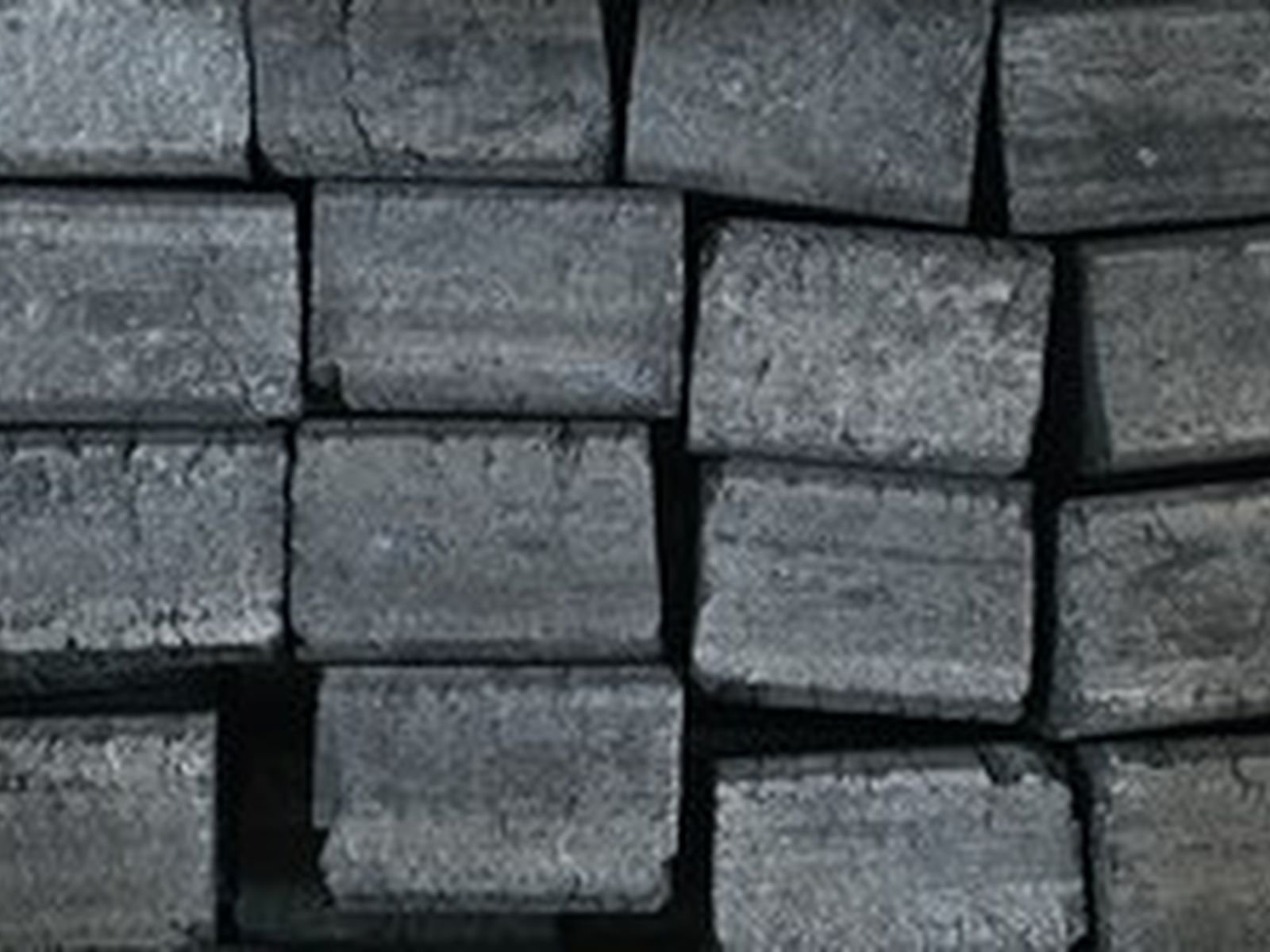
Charcoal does not spoil, but it does absorb moisture, and damp charcoal is harder to light, spits when it catches and gives you less heat for your money. Knowing how to store charcoal - whether it is a few bags at home, a service supply behind a restaurant, or pallets in an import warehouse - protects both its performance and your margin. This guide covers moisture control, realistic shelf life and warehouse best practice.
Key takeaways
- Charcoal has no real expiry date, so the whole of how to store charcoal comes down to keeping it dry.
- Moisture is the enemy: damp charcoal is hard to light, spits, and delivers less heat per kilogram.
- Store it sealed, off the floor and away from strong odors, in a cool, dry, ventilated space.
- At warehouse scale, keep pallets off concrete, control humidity and rotate stock first-in, first-out.
- Check the COA moisture figure on arrival and store so it stays there.
Does charcoal go bad? How to store charcoal for the long run
The first question buyers ask is whether charcoal expires. The reassuring answer is that pure charcoal is almost entirely carbon and does not rot, stale or lose potency on a shelf, so it has no meaningful expiry date. Stored well, it is just as good years later. That means the whole art of how to store charcoal is really one task: keeping water out of it.
There is one caveat. Instant-light or pre-treated products contain accelerants that do evaporate over time, so those can fade and light less reliably as they age. Natural charcoal without additives - the kind VUTRUX exports - has no such problem. Keep it dry and it keeps its heat indefinitely, which is exactly why sound storage is worth the small effort it takes.
Why moisture is the real enemy
Charcoal is porous, so it readily draws moisture out of humid air. A damp piece causes three problems: it is much harder to light, because energy that should raise its temperature is spent boiling off water first; it can spit and pop as trapped moisture flashes to steam; and it gives you less usable heat, because part of every kilogram is now water rather than fuel.
The effect is easy to underestimate. Charcoal that has sat in a damp shed can hiss and struggle to catch, while the same batch kept dry lights cleanly and burns hotter, so storage quietly decides how well your fuel performs. A good starting point is the moisture figure on the product's certificate of analysis. Quality natural charcoal typically leaves the lab at around 3 percent moisture; poor storage can push that far higher. Learning how to read a charcoal COA helps you check the baseline on arrival, and good storage is simply about keeping it there rather than letting the charcoal creep back up toward the humidity of the room around it.
Need this grade by the container?
Tell us your market, volume and target spec — we reply within one business day with a quote and a sample offer.
How to store charcoal at home
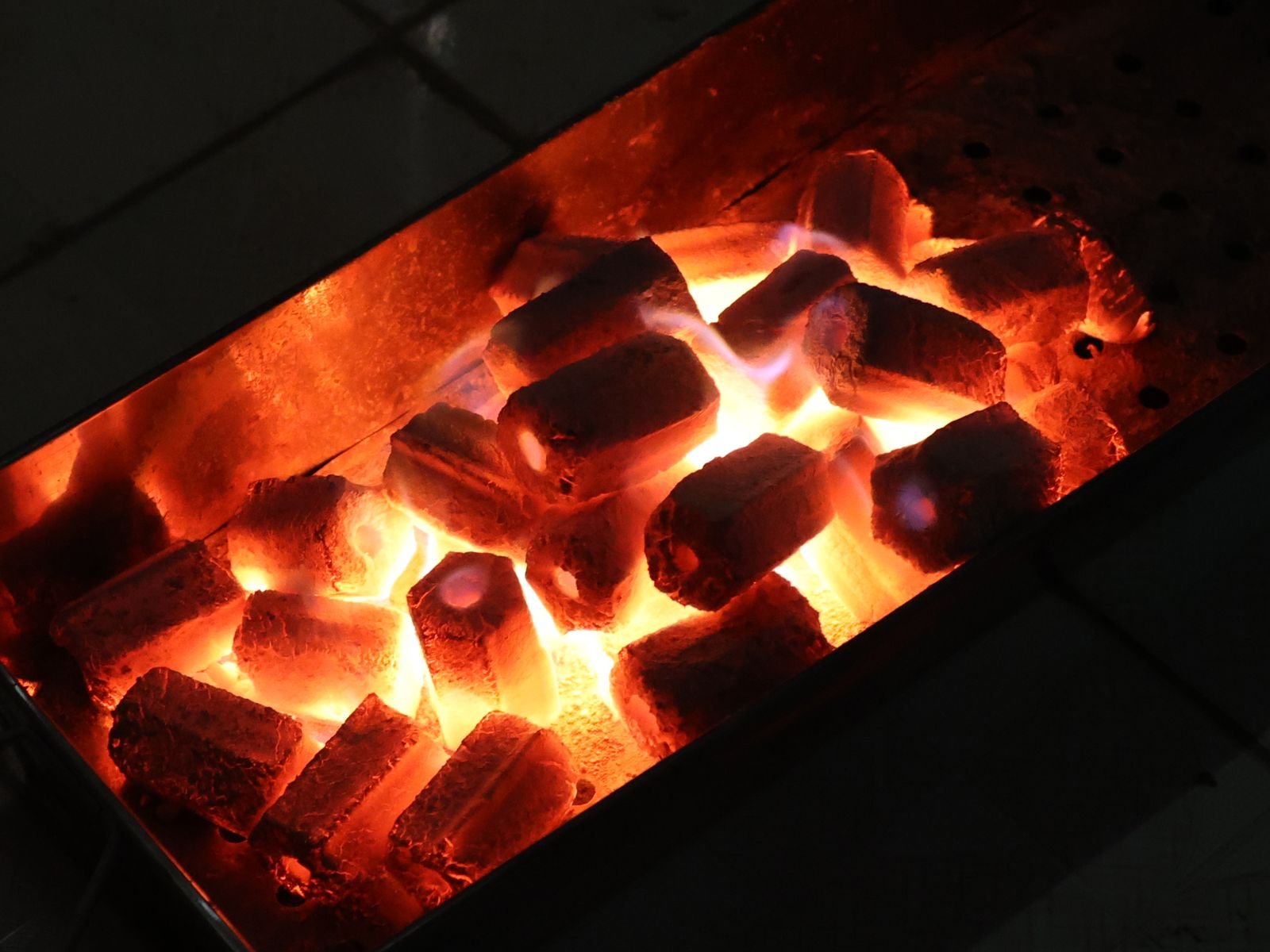
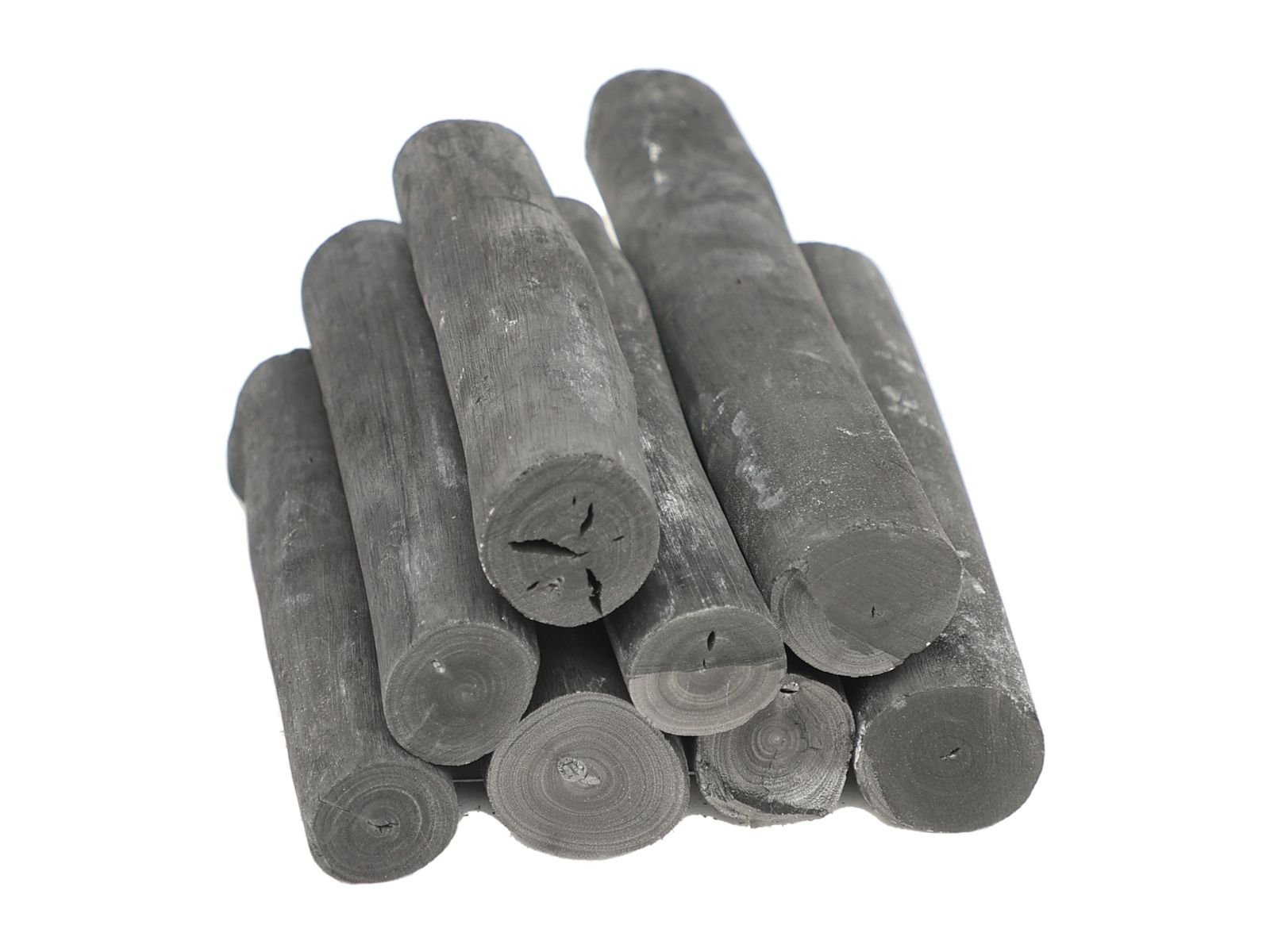
At home, how to store charcoal is straightforward, and the same four habits cover almost every situation.
- Keep it sealed. Once a bag is open, transfer charcoal to an airtight container - a lidded metal or heavy plastic bin works well - or reseal the bag tightly and clip it shut.
- Get it off the floor. Concrete and stone wick up ground moisture, so a shelf, pallet or bench keeps the base dry.
- Choose a cool, dry spot. A garage, shed or utility cupboard is fine as long as it does not flood or sit in condensation.
- Keep odors away. Charcoal absorbs smells as readily as moisture, so store it away from fuel, paint, solvents and strong chemicals that could taint your food.
Stored this way, an opened bag stays in good condition for years. Bring only what you need to the grill, and return the rest to its sealed container so an unexpected shower or a humid night never reaches it.
Storing charcoal in a restaurant
A busy kitchen needs charcoal close to the grill but protected from the conditions that ruin it. Keep the working supply in sealed bins in a dry store, not stacked on a wet floor by the wash-up or next to a steam-heavy line. Rotate stock first-in, first-out so older cartons are used before newer ones, which keeps quality even across services.
Storage matters most for reusable fuel. Binchotan can be extinguished and relit across several services, but only if the spent coals are kept bone dry between uses; a damp piece will spit when it is relit. Our guide on lighting and using binchotan explains the smother-and-store method that makes that reuse possible. Keep bins away from open flame and ignition sources, and let any ash cool fully before disposal. It also helps to keep a small, clearly labelled working supply near the grill and the bulk of your stock in the dry store, so staff are not tempted to leave open cartons out in the humid air of a busy line.
Warehouse and importer storage at scale
At import and distribution scale, storage protects a large investment, so treat it as a process rather than a habit. The principles are the same as at home, applied with more rigor.
- Pallets off the concrete. Never stack cartons directly on a warehouse floor, which draws up moisture that can wick into the bottom layers. Keep pallets clear of the slab and, ideally, off exterior walls.
- Control humidity and ventilation. A cool, dry, well-ventilated space stops damp building up inside shrink-wrapped pallets. Watch for condensation after temperature swings.
- Rotate first-in, first-out. Date pallets on arrival and ship the oldest stock first so nothing sits indefinitely.
- Keep the paperwork with the stock. Hold the per-lot COA and the MSDS on file for each shipment.
On fire safety, note that independent Vinacontrol self-heating tests conclude this charcoal is not classified as IMDG Class 4.2 dangerous goods, although carriers may still book it under UN 1361. Store it away from ignition sources and follow the MSDS regardless. For order sizing and documentation, our binchotan wholesale buyer's guide covers container quantities and compliance in detail.
A simple storage checklist
Whatever your scale, the same short checklist keeps charcoal dry and ready to light.
- Keep it sealed once opened, in an airtight container or a tightly reclosed bag.
- Store it off the floor, on a shelf or pallet, never on bare concrete.
- Choose a cool, dry, ventilated space, protected from rain and condensation.
- Keep it away from odors, fuels and ignition sources.
- Rotate stock first-in, first-out, and keep the COA and MSDS on file.
Do these five things and natural charcoal will hold its quality for years. If you are sourcing in volume and want product that arrives dry, correctly packed in sealed 10 kg cartons and documented with a per-lot COA, VUTRUX exports binchotan, ogatan and hardwood lump FOB Hai Phong to more than 40 markets - request a quote or a sample to get started.
Frequently asked questions
Does charcoal go bad or expire?
Pure natural charcoal does not go bad. It is mostly carbon, so it does not rot or lose heat value on a shelf and has no real expiry date. The only thing that degrades it is absorbed moisture, which makes it hard to light. Instant-light products are different, because their added accelerants can evaporate over time.
Can wet charcoal be dried out and used again?
Yes. Because charcoal itself does not spoil, coals that got damp can be spread out and air-dried, then used normally once fully dry. Expect them to take longer to light. Dry damp charcoal completely before use, since trapped moisture can make it spit and pop when it finally catches.
How long can you store charcoal?
Indefinitely, if you keep it dry. Stored sealed, off the floor and in a cool, dry place, natural charcoal stays in good condition for many years with no loss of performance. There is no shelf-life limit to worry about; storage is only ever about controlling moisture.
What is the best container for storing charcoal?
An airtight container is best - a lidded metal bin or a heavy-duty plastic tub with a sealing lid keeps humidity out and odors away. If you keep charcoal in its original bag, squeeze out the air and clip it shut tightly, and stand it on a shelf or pallet rather than on a cold floor.
How should importers store charcoal in a warehouse?
Keep pallets off the concrete slab, control humidity with a cool, dry, ventilated space, and rotate stock first-in, first-out so nothing sits too long. Hold the per-lot COA and MSDS on file, and store away from ignition sources per the MSDS. Watch for condensation inside shrink-wrap after temperature swings.