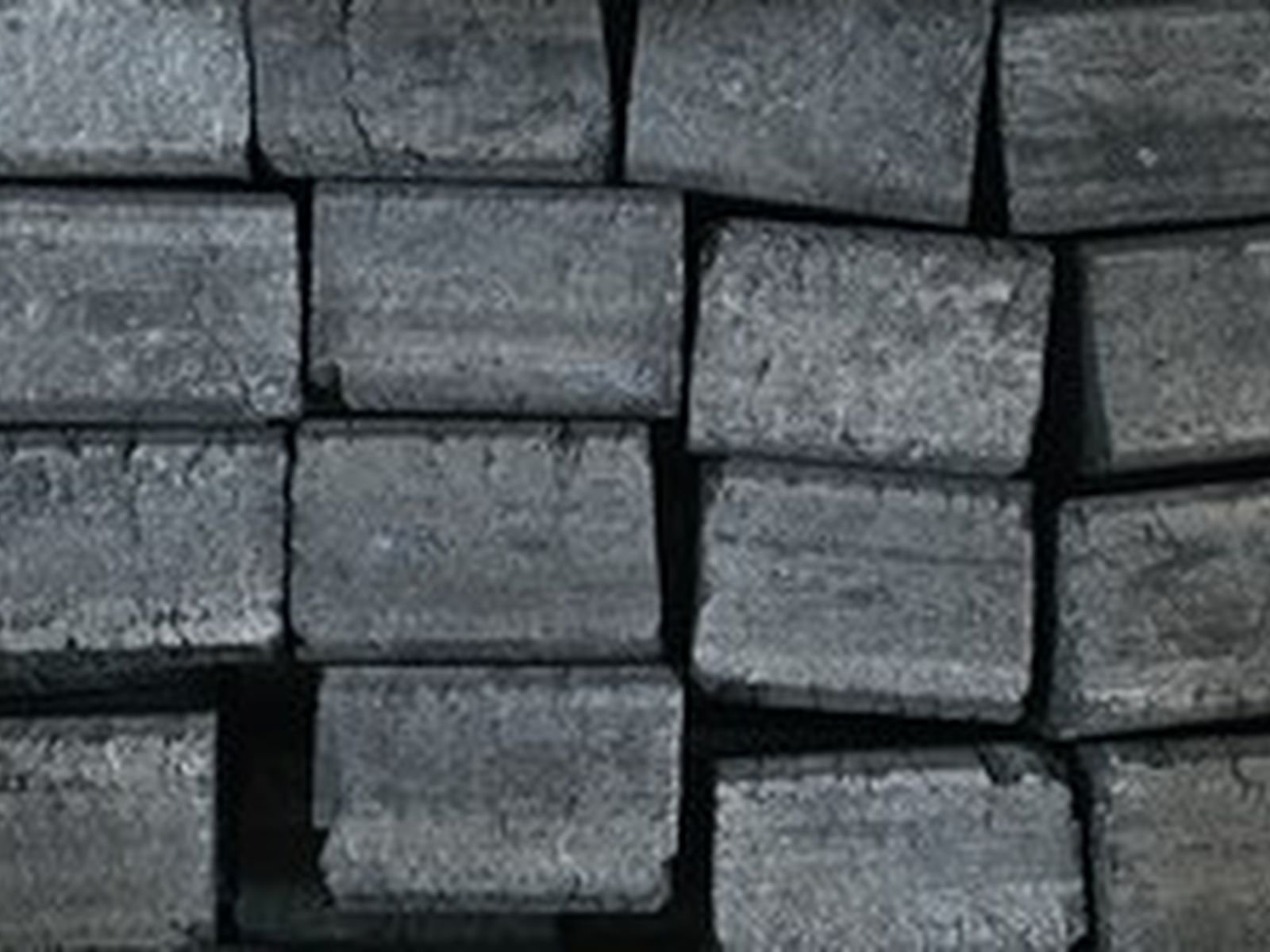
Moisture in charcoal is the quietest quality metric and one of the most expensive to ignore. Water in a coal makes it slow to light, causes hissing and smoke, robs the fire of heat, and means part of the weight on your invoice is water rather than fuel. This guide explains what moisture in charcoal really is, how it changes lighting, burn and value, the levels to expect from good product, and how to keep it low from kiln to grill.
Key takeaways
- Moisture in charcoal lowers heat output, delays lighting and produces steam and smoke.
- Because charcoal is sold by weight, high moisture means paying fuel prices to ship and burn off water.
- Well-dried premium charcoal holds low single-digit moisture; VUTRUX lots test around 3%.
- Always check whether a COA reports moisture as-received or on a dry basis before comparing suppliers.
- Charcoal is hygroscopic, so packaging and storage matter as much as how well it was dried.
What moisture in charcoal actually is
Moisture in charcoal is exactly what it sounds like: water held inside and on the surface of the coal. Charcoal leaves the kiln almost bone-dry, but it is hygroscopic, meaning it naturally pulls water vapor back out of the air. Left unprotected in a humid warehouse or a damp container, even excellent charcoal will slowly reabsorb moisture until it reaches equilibrium with its surroundings.
Analysts split that water into two parts. Surface or free moisture sits on the outside and in the large pores; it is picked up during storage and shipping and driven off easily. Inherent moisture is bound more tightly inside the pore structure. Together they make up the moisture figure you see on a lab report, one of the four values in a proximate analysis on a charcoal COA, alongside fixed carbon, ash and volatile matter.
Because moisture changes with handling and weather, it is the least stable number on a spec sheet. That is precisely why it deserves attention: the same coal can test at 3% leaving the kiln and 12% after a wet ocean crossing in poor packaging.
Why moisture in charcoal changes lighting and burn
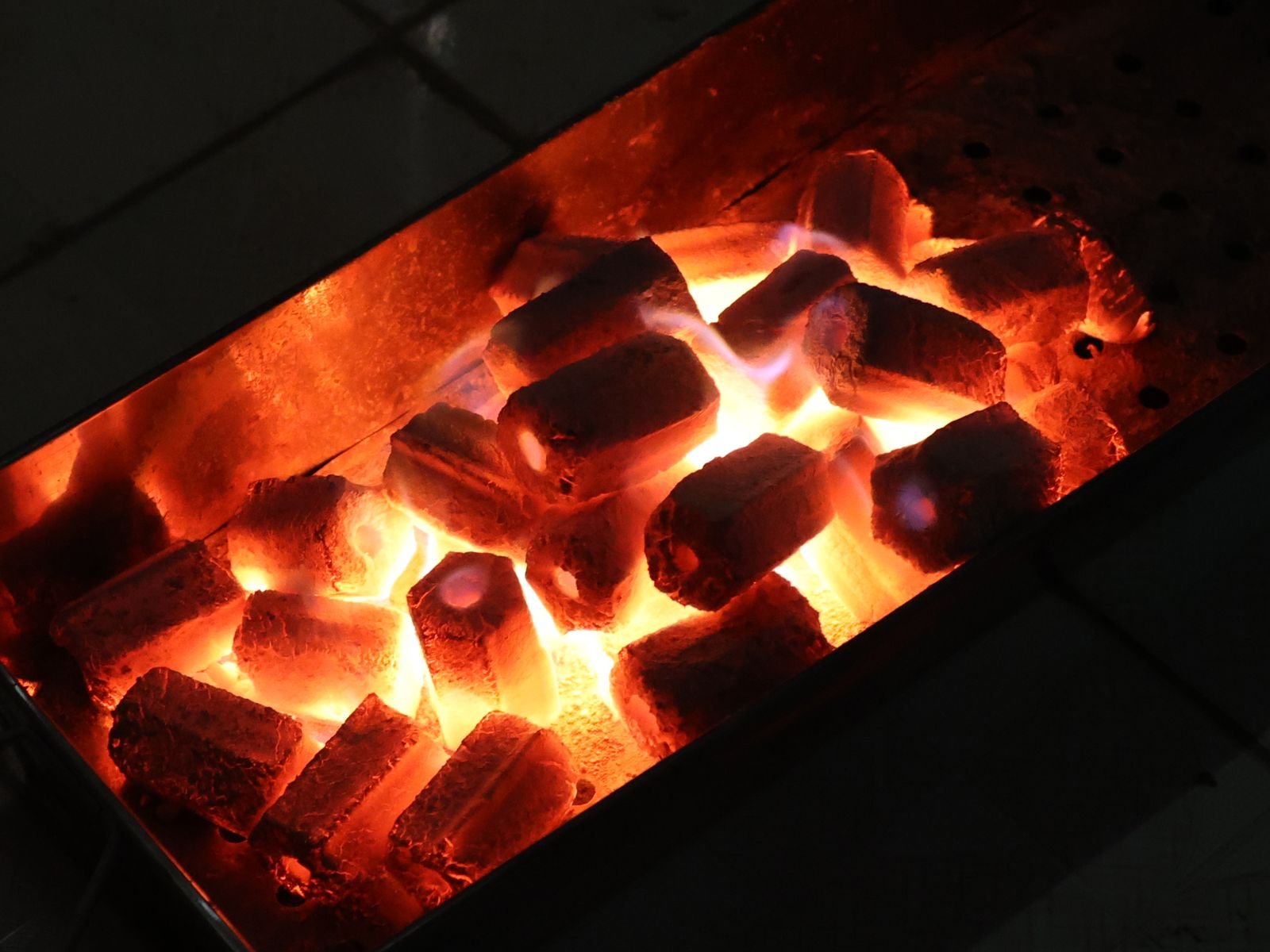
Water and fire do not cooperate. Every kilogram of moisture in a coal must be boiled off before the charcoal below it can reach ignition temperature, and that costs energy and time. The result is a fuel that behaves worse on every axis that matters at the grill.
- Slower, harder lighting. Heat that should be raising the coal to ignition is spent evaporating water first, so damp charcoal is stubborn to start.
- Hissing, popping and steam. Water flashing to vapor inside the pores causes spitting and the tell-tale hiss of a wet coal.
- Lower working temperature. The latent heat lost to evaporation is heat that never reaches your food, so a moist bed runs cooler and less evenly.
- More smoke. Steam carries unburned compounds with it, adding to the smoke and dulling the clean heat that premium charcoal should deliver.
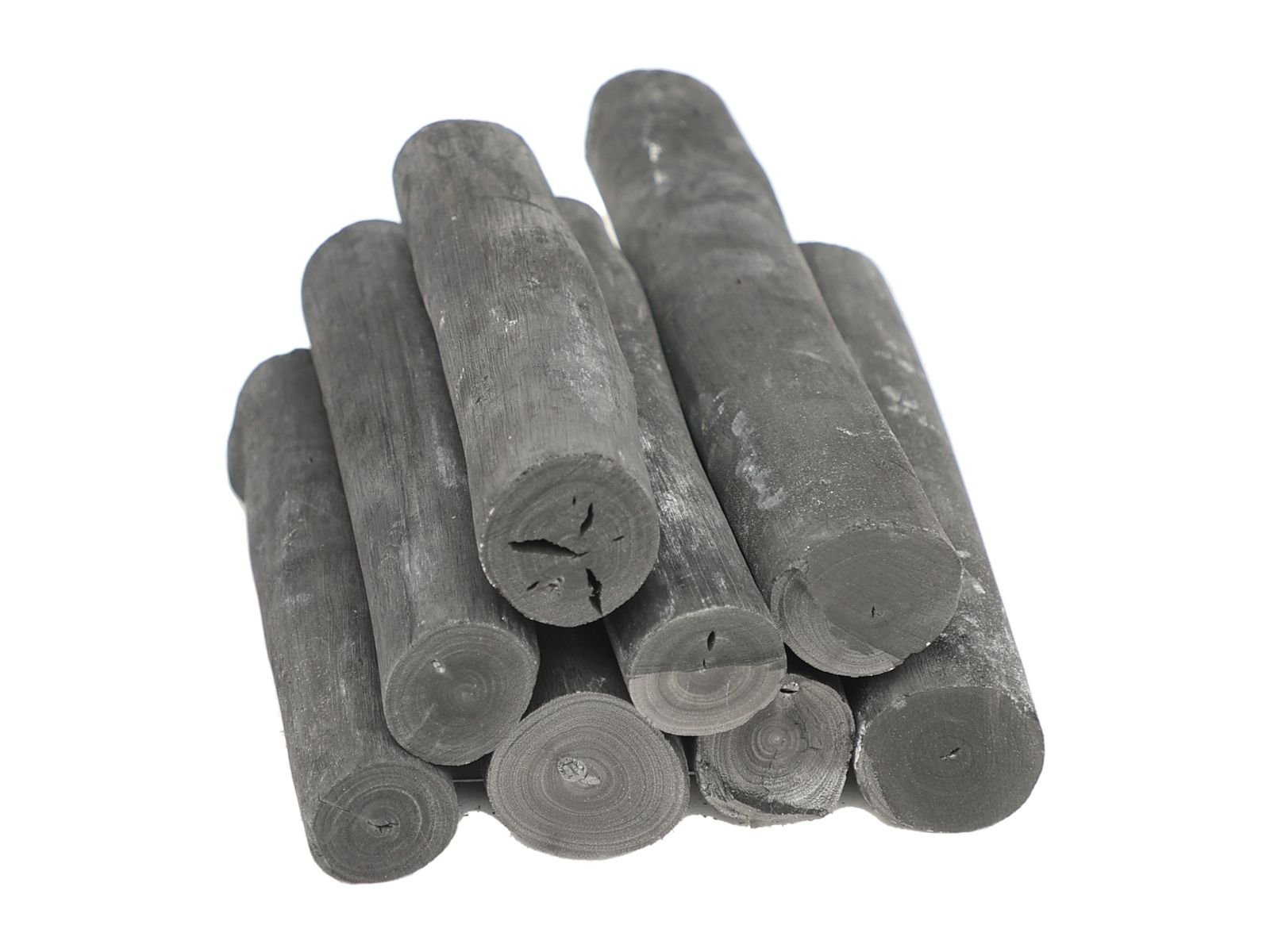
Moisture also undermines consistency: a bed where some coals are drier than others burns unevenly, forcing constant adjustment during a busy service. For clean, precise cooking, low moisture is not a luxury. It is what allows charcoal such as binchotan to light predictably and hold a steady, near-smokeless heat from the first order to the last.
Need this grade by the container?
Tell us your market, volume and target spec — we reply within one business day with a quote and a sample offer.
Moisture, weight and the value you actually get
Charcoal is sold by weight, so moisture goes straight to your bottom line. Every percentage point of water is a percentage point of fuel you did not receive, and you are paying charcoal prices to ship water across the world and then boil it away.
The table below shows how much genuine dry fuel remains in a nominal 10 kg carton at different moisture levels. The pattern is simple: the wetter the coal, the less of it actually burns.
| Moisture level | Dry fuel in a 10 kg carton | Water you paid for |
|---|---|---|
| 3% (well-dried) | ~9.7 kg | ~0.3 kg |
| 8% | ~9.2 kg | ~0.8 kg |
| 12% | ~8.8 kg | ~1.2 kg |
| 18% (damp) | ~8.2 kg | ~1.8 kg |
Scaled to a full container, the difference between 3% and 15% moisture is hundreds of kilograms of water dressed up as charcoal. You also pay to freight that water: on FOB or CIF terms, every wet kilogram takes up payload that could have carried fuel. This is why serious importers treat moisture as a commercial term, not a technicality, and confirm it on a per-lot certificate of analysis rather than trusting a claim on the bag.
Typical moisture levels by charcoal type
Good charcoal is dried thoroughly before it is packed, so well-made product across every category should reach you in the low single digits. The ranges below are indicative; species, drying method and, above all, packaging and storage move the real figure.
| Charcoal type | Typical moisture when well-dried | Notes |
|---|---|---|
| Binchotan (white charcoal) | ~3 to 6% | Refined at high heat and very dense, so it holds little water |
| Ogatan (sawdust briquette) | ~4 to 8% | Kiln-dried; quality depends on the maker |
| Hardwood lump | ~5 to 10% | More variable; large pieces can trap water |
VUTRUX binchotan white charcoal and ogatan typically test around 3% moisture on an independent-lab COA, reflecting thorough drying and sealed 10 kg cartons. Numbers far above these ranges usually point to under-drying or, more often, water picked up after production through poor packaging or storage.
How moisture is measured and reported
Moisture is the first value a laboratory determines in a proximate analysis. A prepared sample is weighed, dried in an oven until its weight stops falling, and weighed again; the weight lost is the moisture, usually following ASTM D1762 or an equivalent standard.
The critical detail for buyers is the reporting basis. Results quoted as received (also called as-shipped) include the moisture actually present, which is what you care about commercially. Results on a dry basis mathematically remove the water, so fixed carbon and calorific value read higher. Neither is wrong, but they are not interchangeable:
- As-received tells you what is really in the carton on arrival.
- Dry basis is useful for comparing the intrinsic quality of two coals without the moisture noise.
A supplier who quotes an impressively high fixed-carbon figure on a dry basis while staying quiet about as-received moisture may be hiding a wet product. Always compare like with like, and read the small print on any certificate before you commit.
How to keep charcoal dry from port to grill
Because charcoal reabsorbs water so readily, keeping moisture low is as much about handling as it is about drying. The fixes are practical and cheap relative to the fuel they protect.
- Seal the packaging. Lined or laminated cartons and moisture barriers slow reabsorption far better than bare bags.
- Store off the ground. Keep pallets on dunnage, away from walls, in a covered and ventilated space rather than on a damp floor.
- Mind the container. Condensation, or container rain, inside an ocean box can soak an entire load, so desiccants and proper stowage matter on long routes.
- Rotate stock and reseal. Use older stock first and close opened packaging promptly.
- Re-dry if needed. Coals that have picked up only surface moisture can be dried near the grill for an hour before service to restore easy lighting.
If you are weighing moisture against other performance factors, our comparison of binchotan versus lump versus briquettes shows how drying, density and form interact. When you want a spec you can hold a supplier to, request a quote and a sample and check the as-received moisture on the COA against the coal in your hand.
Frequently asked questions
What is a good moisture level for charcoal?
Well-dried premium charcoal usually tests in the low single digits, roughly 3 to 8% depending on type. VUTRUX binchotan and ogatan typically come in around 3% on an independent-lab COA. Much above 10 to 12% suggests under-drying or water picked up through poor packaging and storage.
Does moisture in charcoal affect how it burns?
Yes, significantly. Water has to boil off before the coal can reach ignition temperature, so damp charcoal is slow to light, hisses and spits, runs cooler and smokes more. Low moisture is what lets charcoal such as binchotan light predictably and hold a clean, steady heat.
Can wet charcoal be dried and used?
Usually, yes. Charcoal that has only picked up surface moisture can be spread out and dried, or warmed near the grill for an hour before service, and will then light normally. Charcoal that has been soaked through and repeatedly re-wetted may crumble and is best avoided.
As-received or dry basis, which moisture figure should I use?
Use as-received (as-shipped) moisture to judge what is actually in the carton, because that is what you pay for and burn. Dry-basis results remove the water mathematically and make fixed carbon and calorific value look higher. Just make sure you compare every supplier on the same basis.
How should charcoal be stored to keep moisture low?
Keep it in sealed or lined packaging, off the floor on pallets, in a covered and ventilated space away from damp walls. On long ocean routes, guard against condensation inside the container with proper stowage and desiccants. Rotate stock and reseal opened cartons promptly.